











Museo Nacional del Virreinato

The finest examples of the visual arts from New Spain over the three centuries of its existence, exhibited in a splendid building from this period: the Jesuit College in Tepotzotlán, which provides a brilliant, detailed journey through the viceregal period.
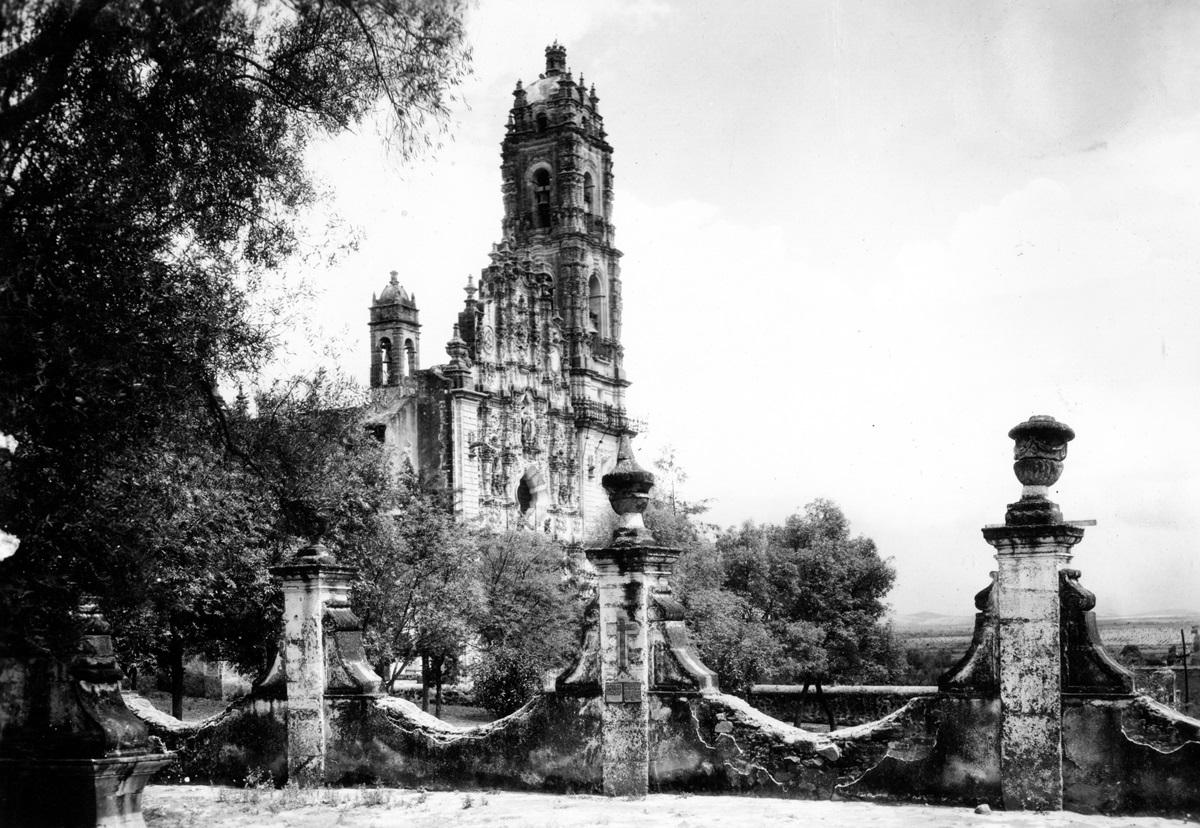
This museum displays different aspects of colonial culture, as well as the culture of the original occupants of the building it is installed in. The venue is the former Jesuit College of San Francisco Javier (Saint Francis Xavier) in Tepotzotlán, in what is now the State of Mexico. It opened on September 19, 1964, with the aim of offering an extensive overview of life under Spanish rule, as there was no museum in Mexico at the time which covered the 300 years this period lasted (1521-1821). The building itself is a marvel. Thoroughly restored, it preserves the original premises, which were built and decorated between 1606 and 1767. It includes the church with its vestry and chapel; two two-story cloisters, that of Aljibes (Wells) and Naranjos (Orange Trees), with their respective cells; the domestic chapel (of Saint Peter the Apostle), the library, the refectory and the kitchen. Teachers, students and college workers lived, studied, prayed and rested here. The building is encircled by its atrium and orchard. Adjoining the Aljibes Cloister was the guest courtyard and its stables. The cloister obliged potential guests to lodge in this zone because it was outside the restricted area. Currently, this place operates as the College’s restaurant and lodging house.
Passing through each of these spaces, some of which are decorated as they might have been in the times Jesuit novices were here, offers visitors a view of the daily lives of the people who inhabited them, as well as the opportunity to appreciate the splendid examples of baroque art found here.
The National Museum of the Vice-Regal Period ranges in time from the background to the Conquest of Mexico in 1519-1521 to the first causes of social unrest that led to the Independence movement of 1810. It consists of 22 rooms located in both the lower part of the Aljibes Cloister and the upper part of the Naranjos Cloister, and displays objects as diverse as paintings, sculpture, pottery and textiles. It also deals with female convent life in the vice-regal period, with a collection of more than 20 portraits of crowned nuns. Due to the number of portraits and their artistic and historical relevance, this is the most important one of its kind in Latin America. It also addresses the arts and crafts of New Spain, as well as the commercial and cultural exchange it held with the Orient, with its collections of ivory, porcelain, marquetry and “enconchados” (oil paintings inlaid with mother-of-pearl).
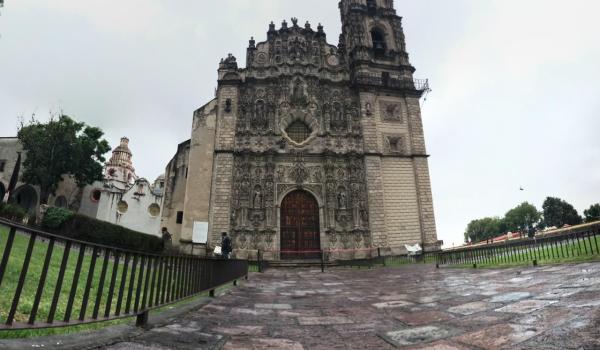
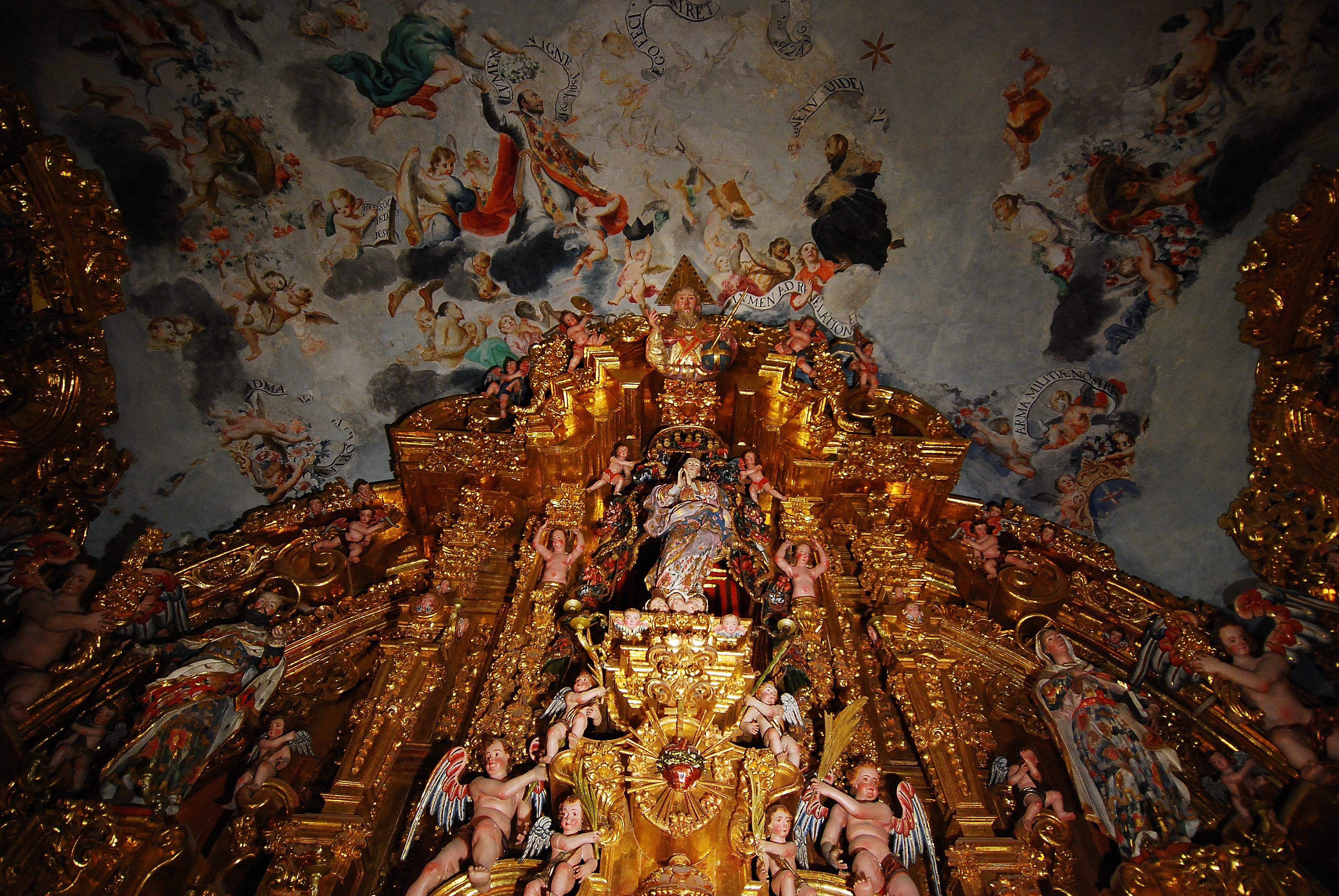
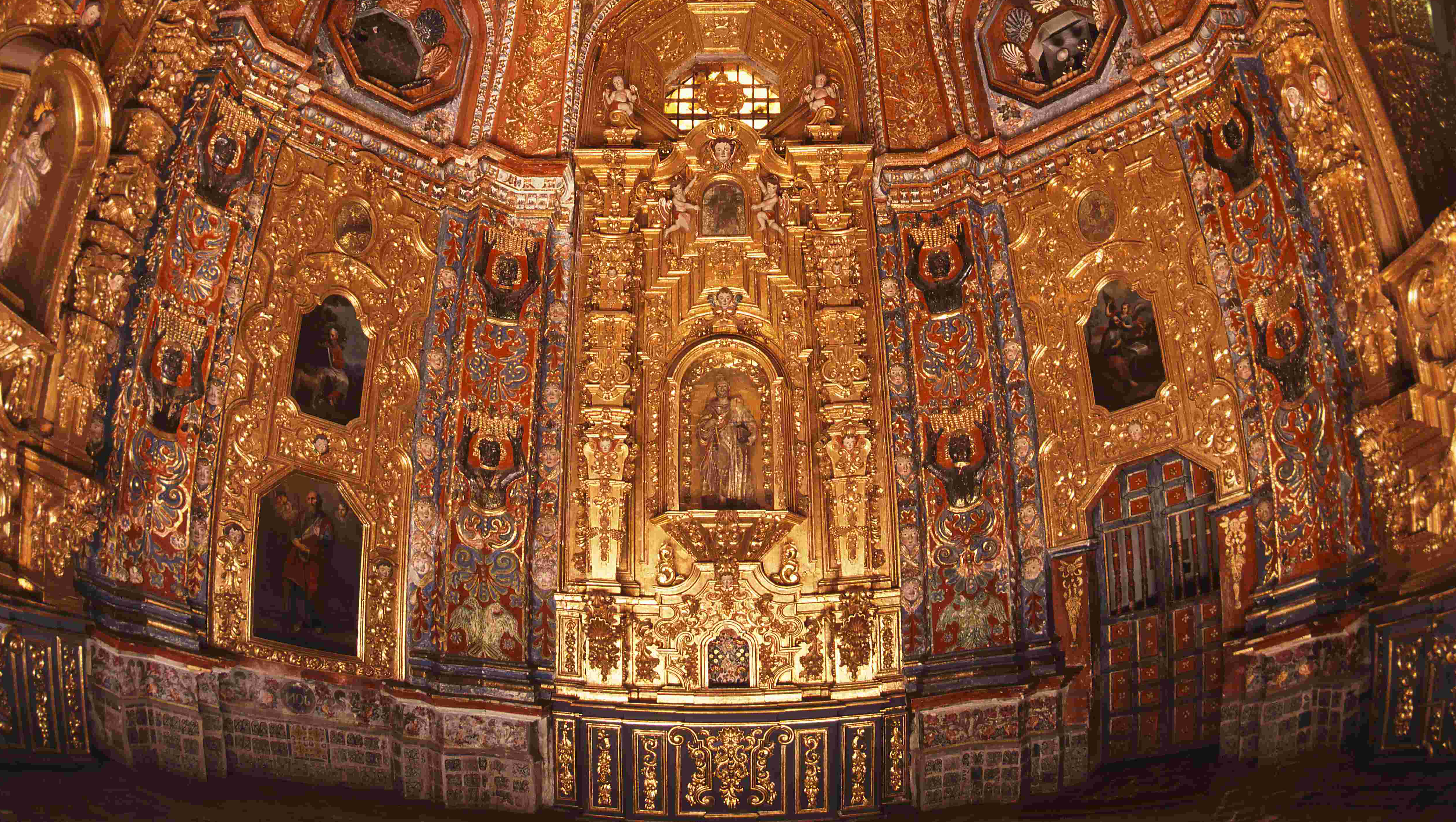
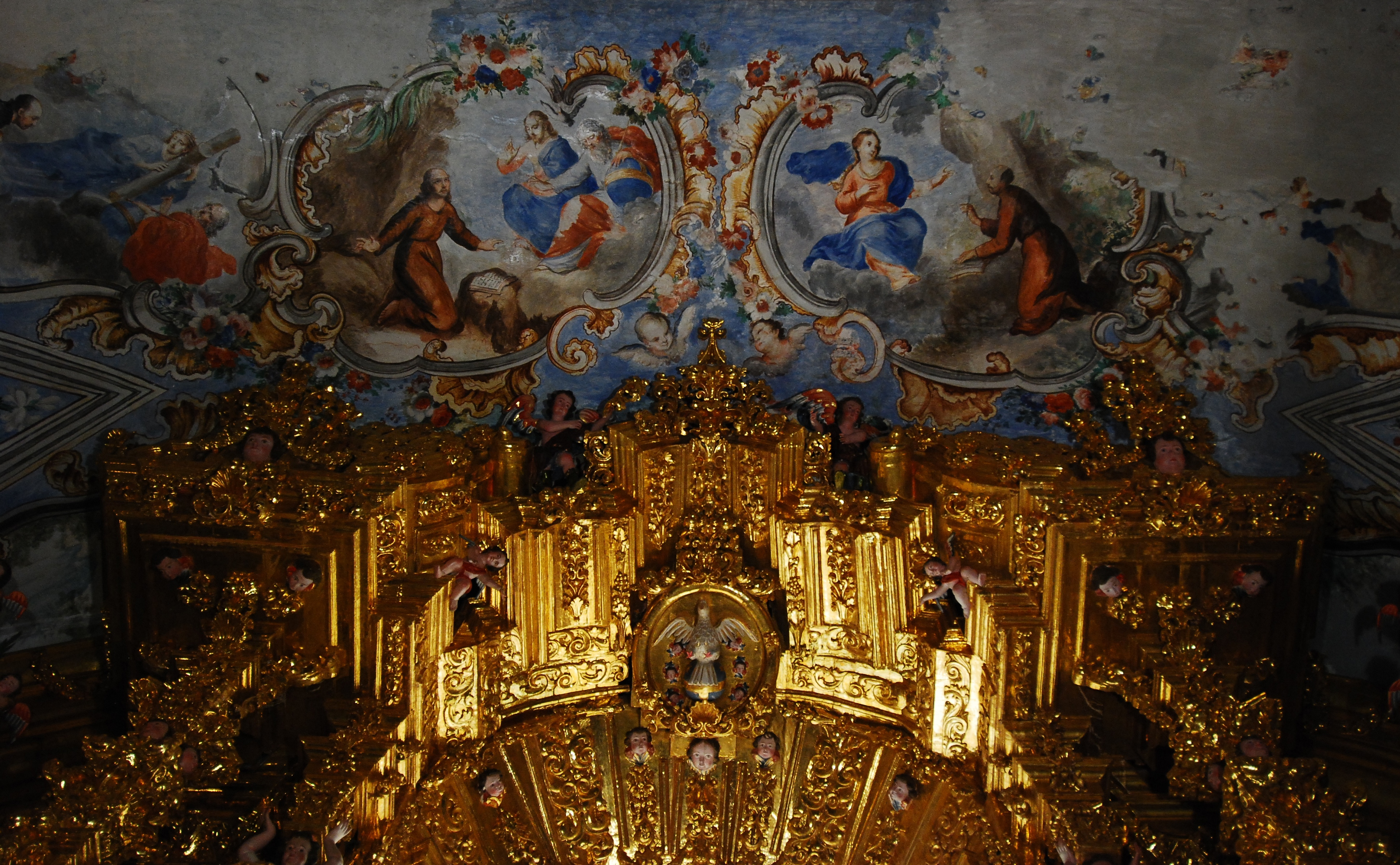
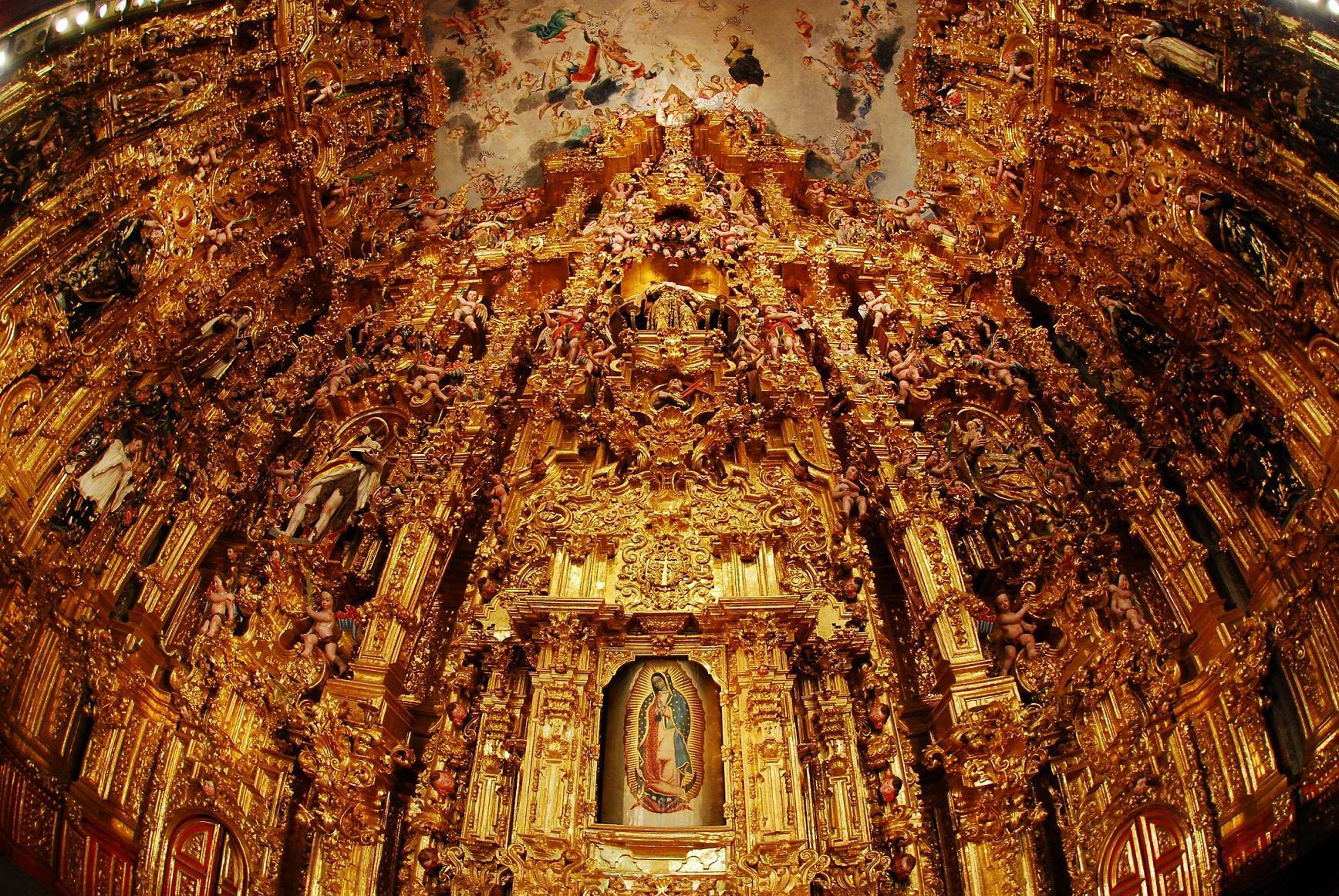
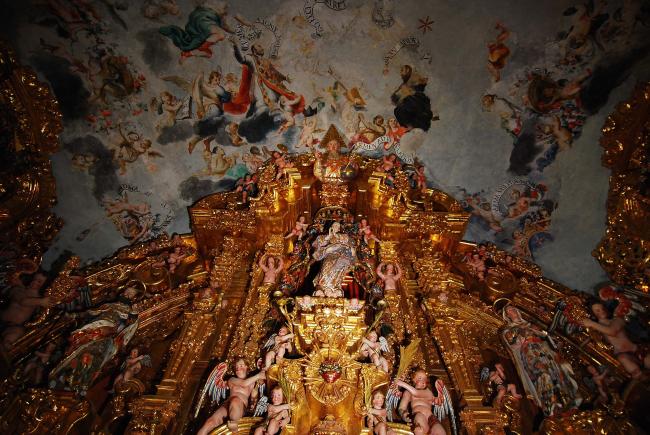
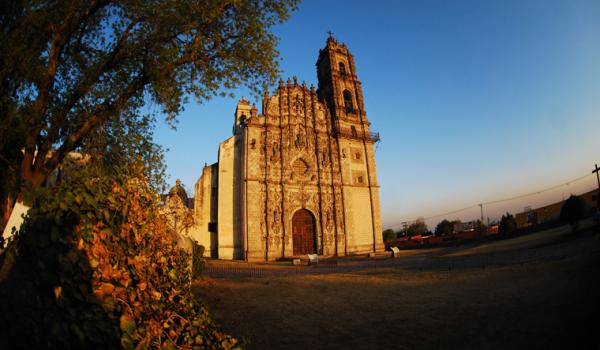
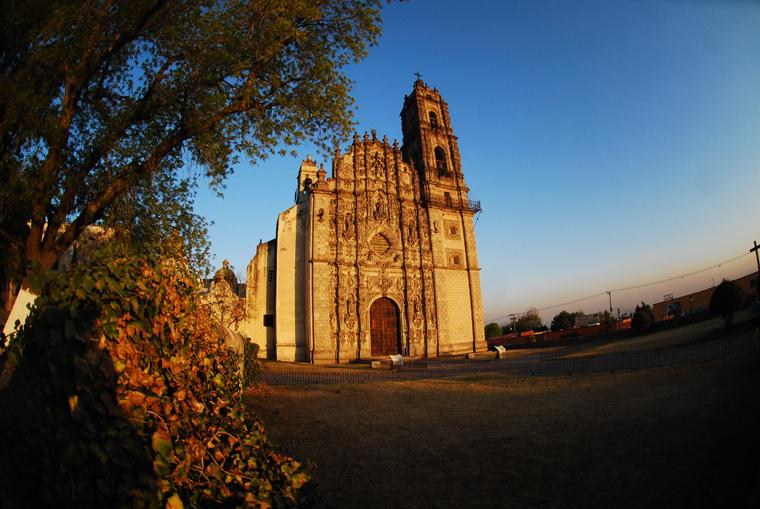
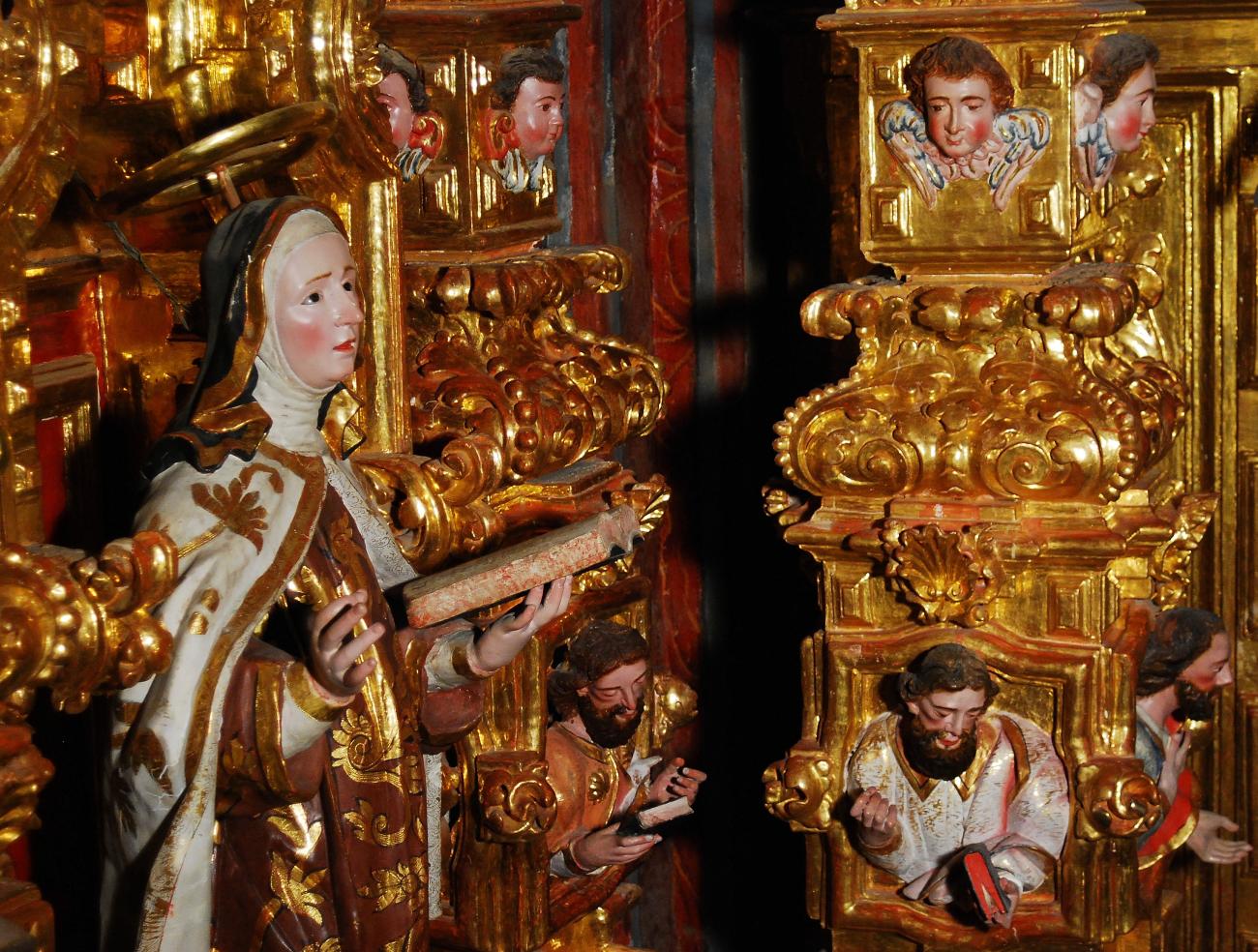
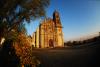
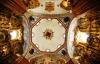
Visiting the church of San Francisco Javier is a must. It is one of the few baroque churches in Mexico that still preserves its originally characteristics. The altarpieces were designed and created by Miguel Cabrera e Higinio de Chávez in the mid-eighteenth century.
The Jesuits began to build their San Francisco Javier monastery and college of Tepotzotlán in 1606. They intended to open one school for indigenous children, another for Society of Jesus novices and one more so that novices and already-ordained Jesuits could learn the indigenous languages of New Spain. The church of San Francisco Javier was built between 1670 and 1682. Charles III of Spain “and the Spanish Indies” expelled the Jesuits from his empire in 1767, which was much lamented by many inhabitants of New Spain. The Jesuit foundation of Tepotzotlán was left totally abandoned for eight years, until the Archbishop of Mexico gave it to the secular clergy, who turned into a retreat for elderly and infirm priests, and a place of penitence for censured priests. Pope Clement XIV abolished the Society of Jesus in 1773 to curry favor with the three kings who had expelled the Jesuits from their realms (Portugal, France and Spain). When it was reestablished by Pope Pius VII in 1814, some Jesuits came back years later (possibly in 1819). A few old men of the many who had been expelled returned to New Spain and Tepotzotlán.
Owing to the Reform Laws, the College became national property in 1859, although mass was still held in the church of San Francisco Javier. There were attempts to convert the premises into a jail, but the local community would not allow it. Later on, President Porfirio Díaz considered turning the structure into a jail as well, also without success. The school for children, on the other hand, remained. During the Mexican Revolution, the pro-Carranza (and subsequently anti-Carranza) General Francisco Coss Ramos took a dislike to the teachers of Tepotzotlán, especially to Father Gonzalo Carrasco, the dean. As the dean was also a painter, the general ordered him to paint a portrait of Venustiano Carranza and told him and his colleagues to take off their religious habit. The teacher refused, so the general sent him to the Teoloyucan jail whilst he and his soldiers sacked the school and the former monastery. The Jesuits abandoned Tepotzotlán once again. From time to time, rumors arose that there was treasure buried on the premises. The floor was opened and excavations were made in the church and other parts of the building to search for it in 1928, 1931, 1932 and 1934, without anything ever being found, although some damage was done to the architecture.
The Jesuit churches and other structures of Tepotzotlán were declared a national monument in 1933. Systematic restoration work was eventually begun by the INAH in 1964, with the splendid results that President Adolfo López Mateos inaugurated in 1964. The valuable collection that the new National Museum of the Vice-Regal Period was then provided with came from the Metropolitan Cathedral’s Museum of Religious Art, the National History Museum, and donations from private collectors.
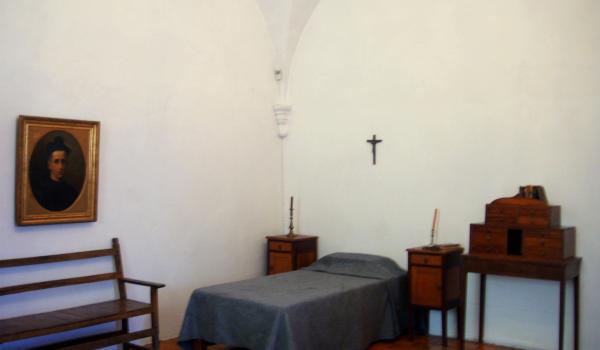
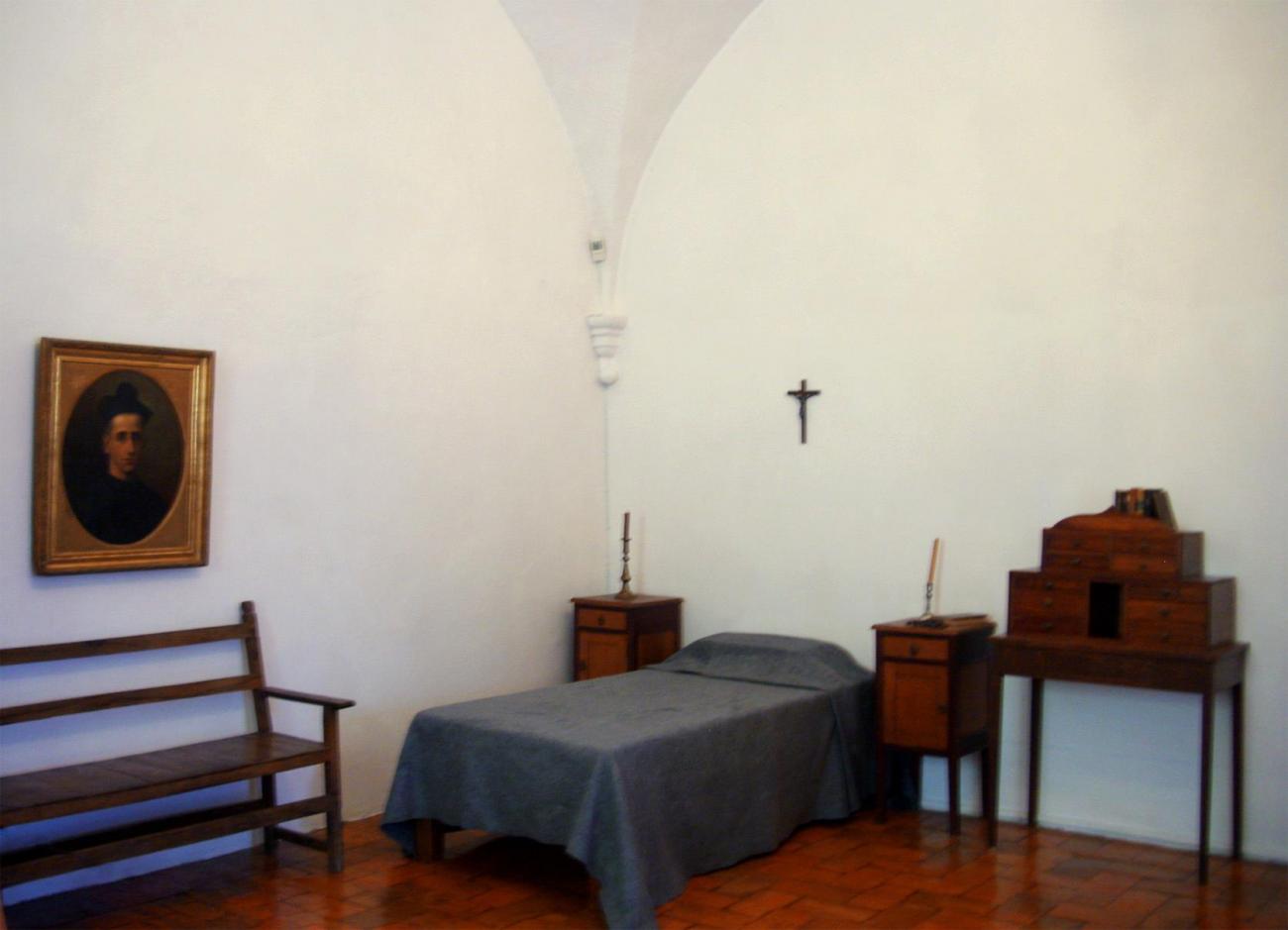
Father Gonzalo Carrasco's Quarters
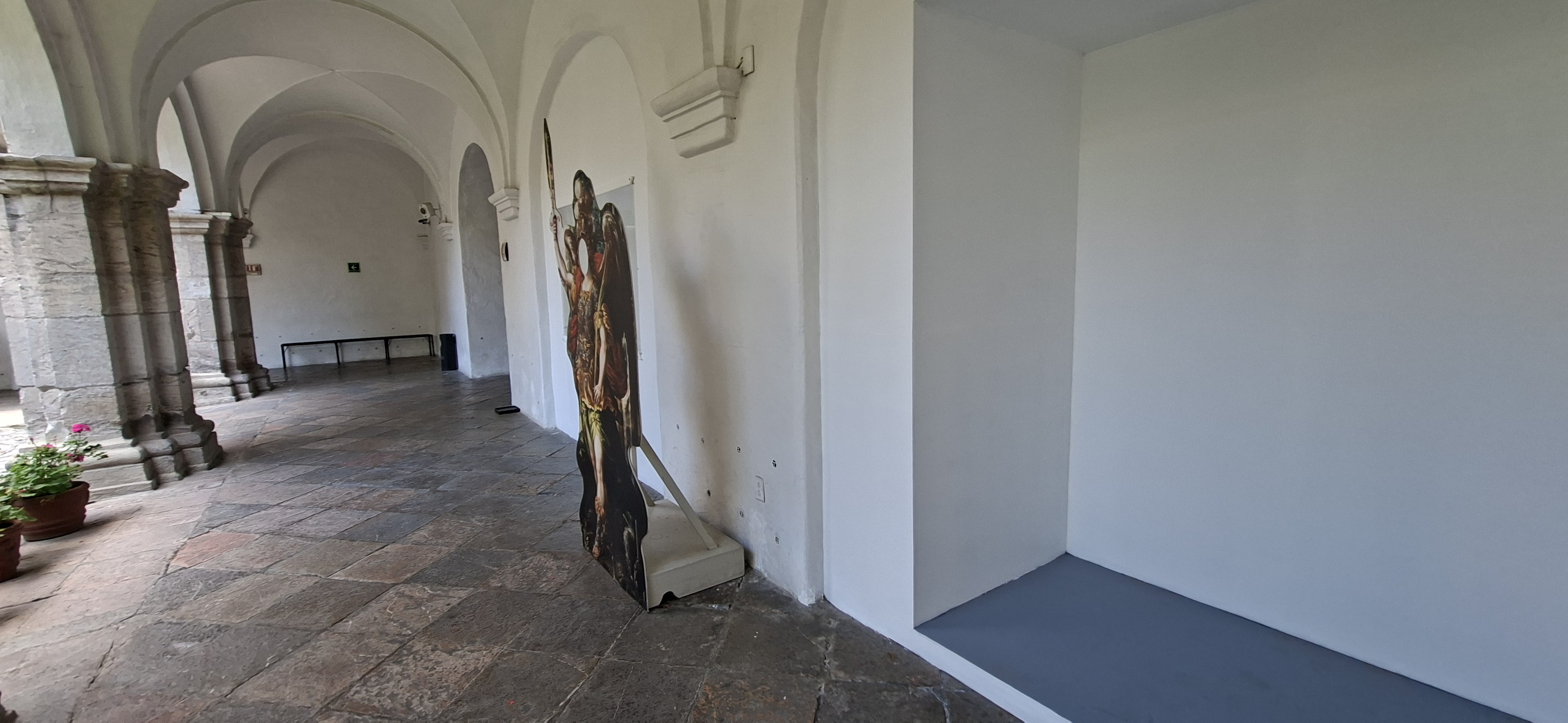
This space is a recreation of the room used by Father Gonzalo Carrasco, the last rector of the novitiate college from 1911 to 1914. He studied painting at the Academy of San Carlos, and many of the artworks decorating this room and other parts of the building were painted by him.
Father Gonzalo Carrasco's Quarters
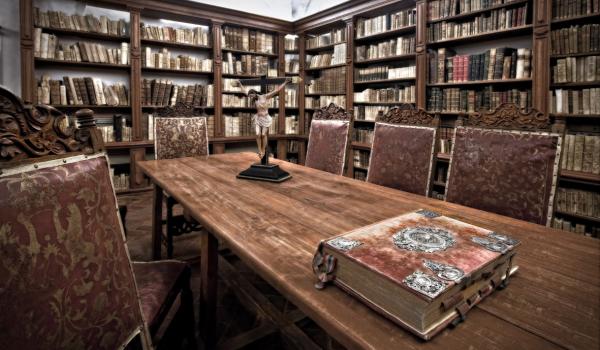
Historic Library
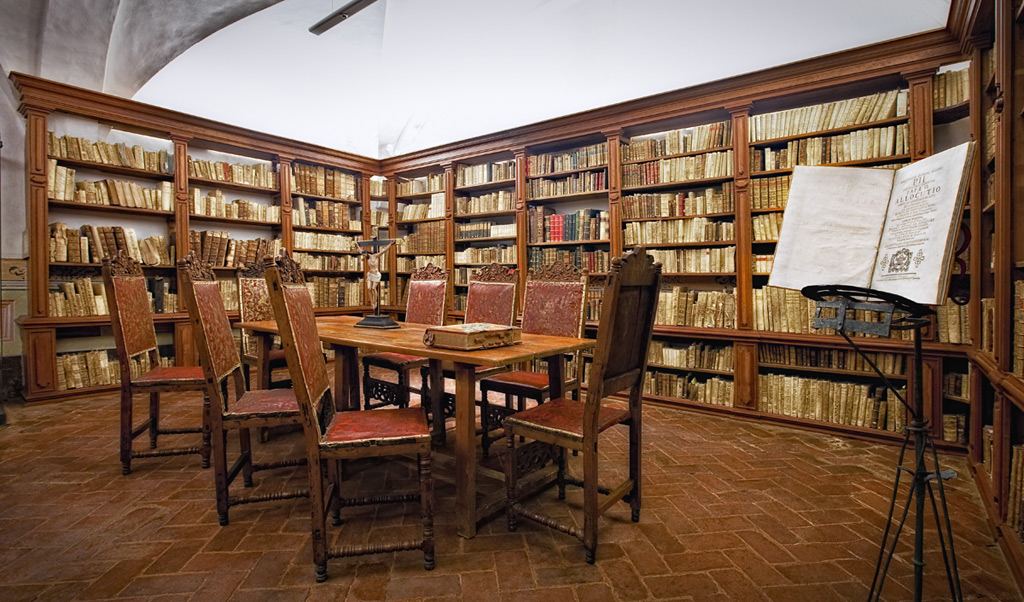
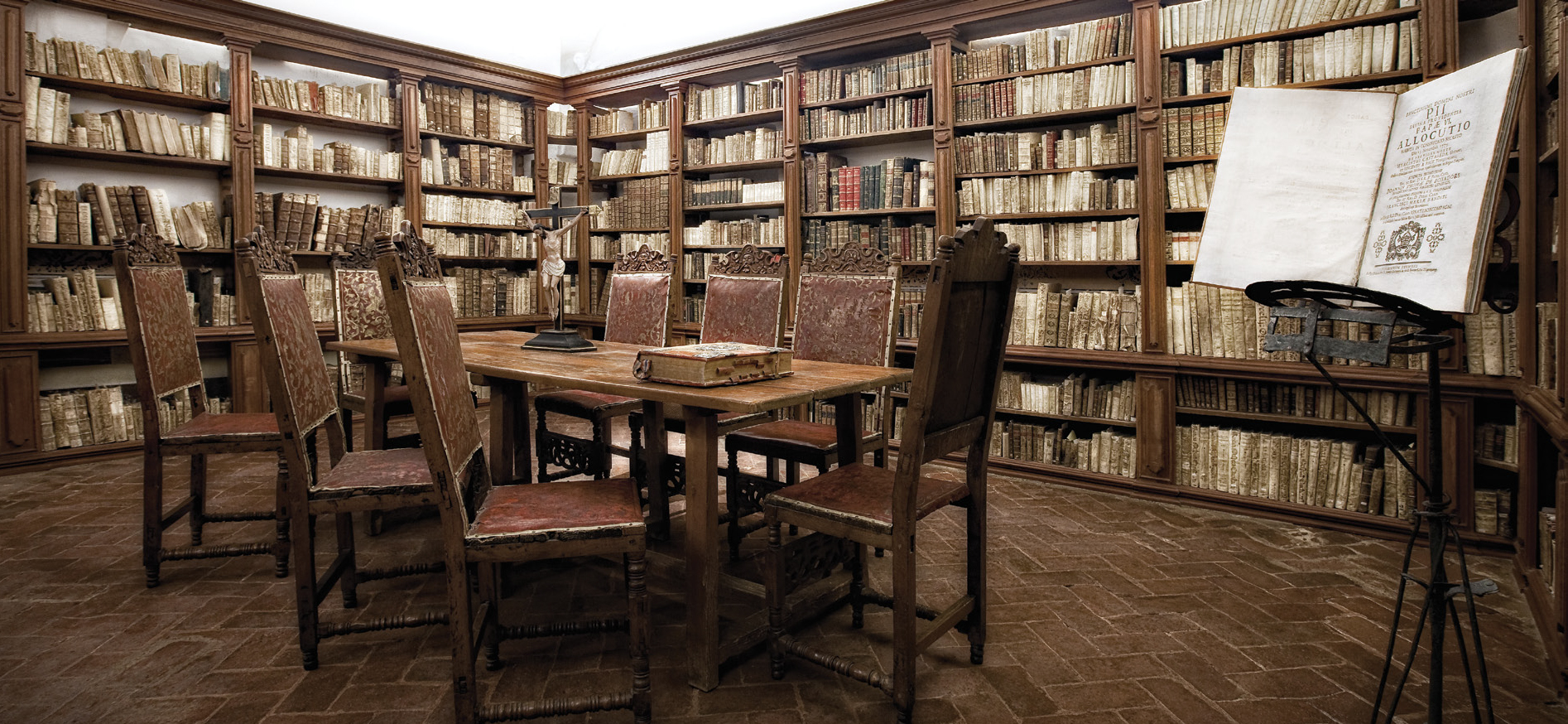
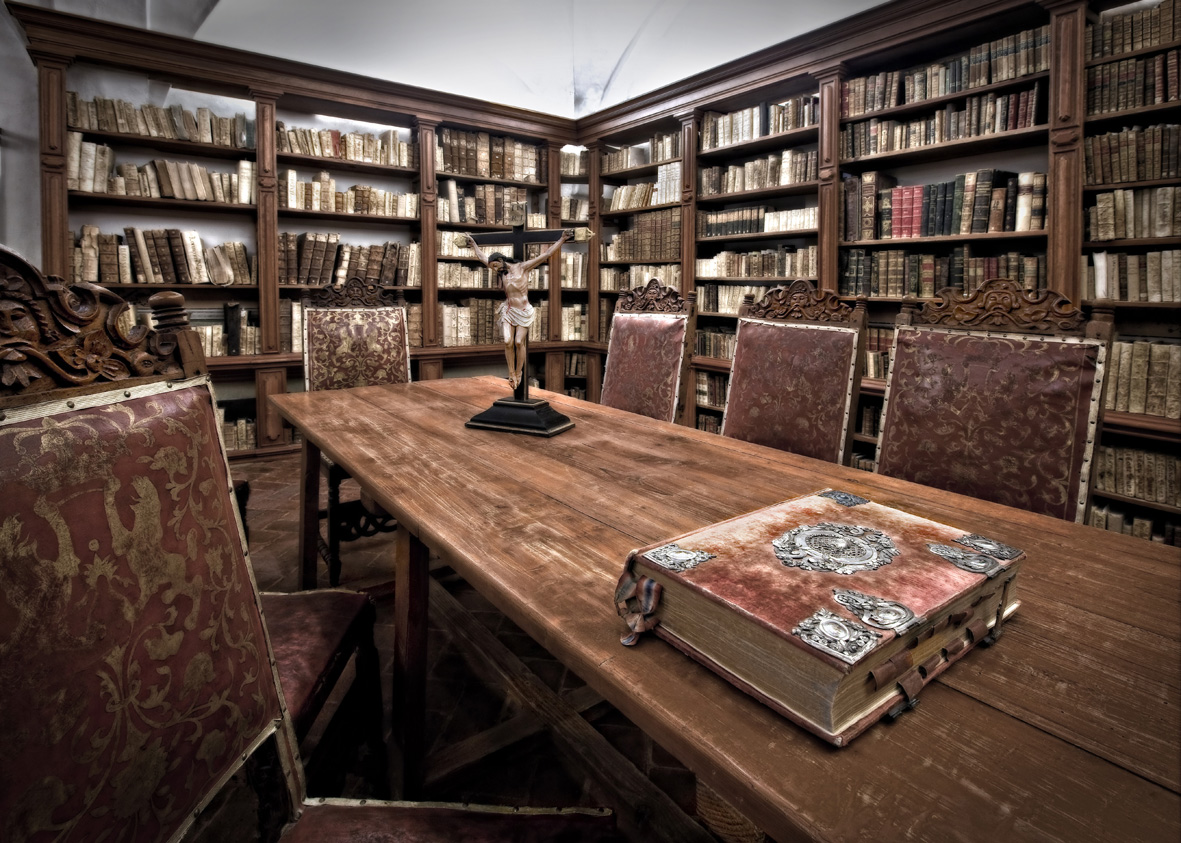
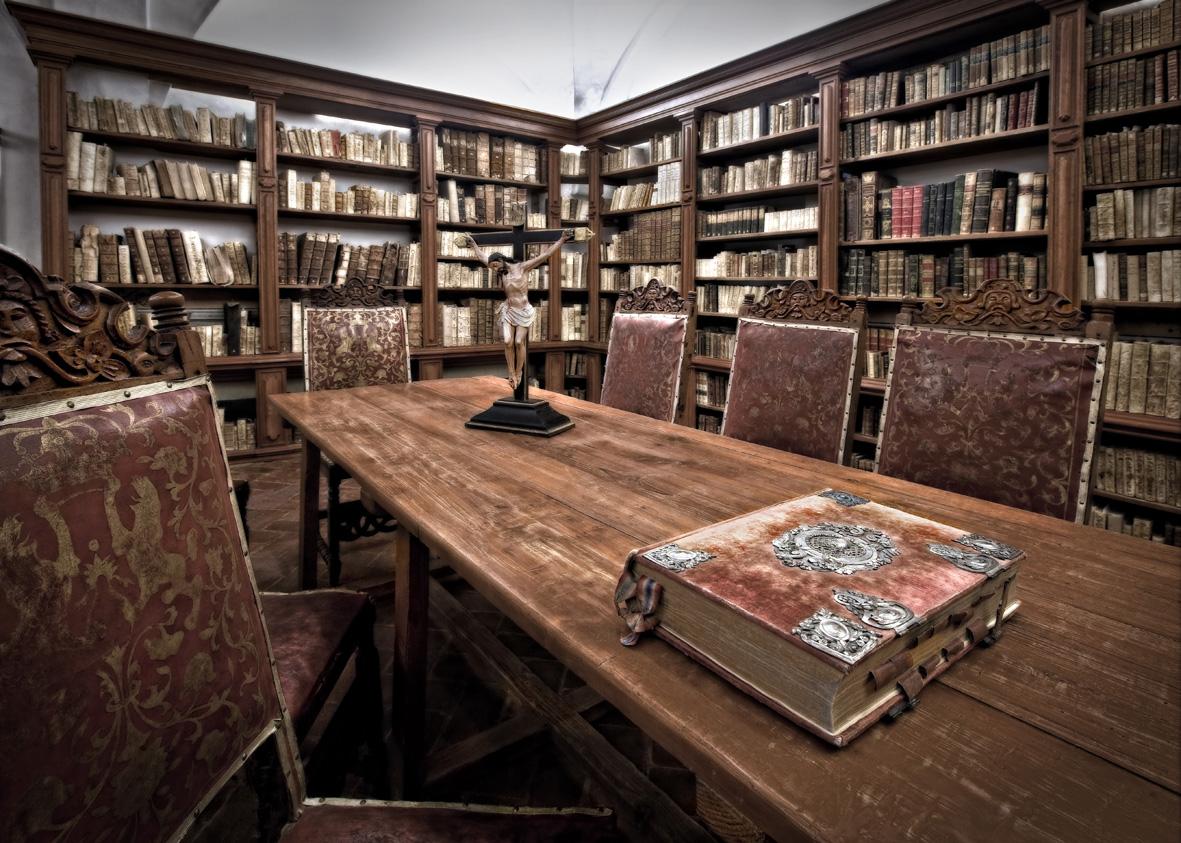
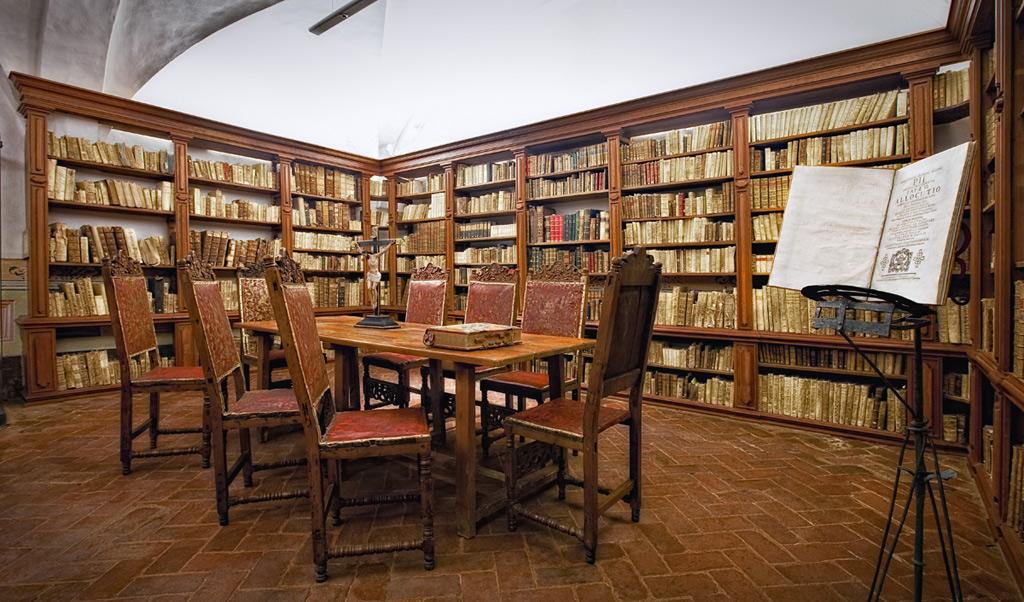
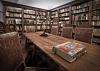
One of the main areas of the Jesuit colleges in Tepotzotlán, the library remains in the same location it occupied in 1914, during the Jesuits' last stay in the region. It holds approximately 4,000 volumes, mostly written in Latin and Spanish, with some in French, Portuguese, Greek, and Hebrew.
Historic Library
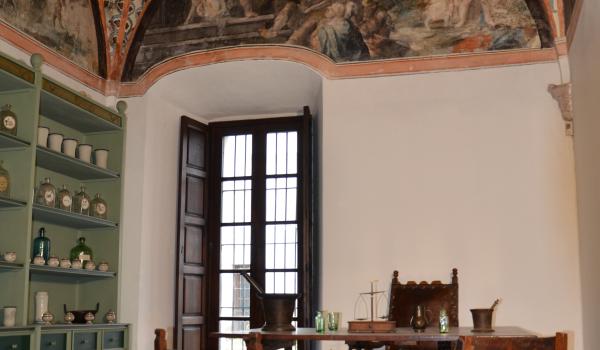
Apothecary and Infirmary Courtyard
Near the entrance to the cloister lies the old apothecary. Through its window, visitors can see the infirmary courtyard, once used to grow medicinal plants. The ceiling features 17th-century mural paintings depicting scenes related to medicine, including the revered physician saints Cosmas and…
Apothecary and Infirmary Courtyard
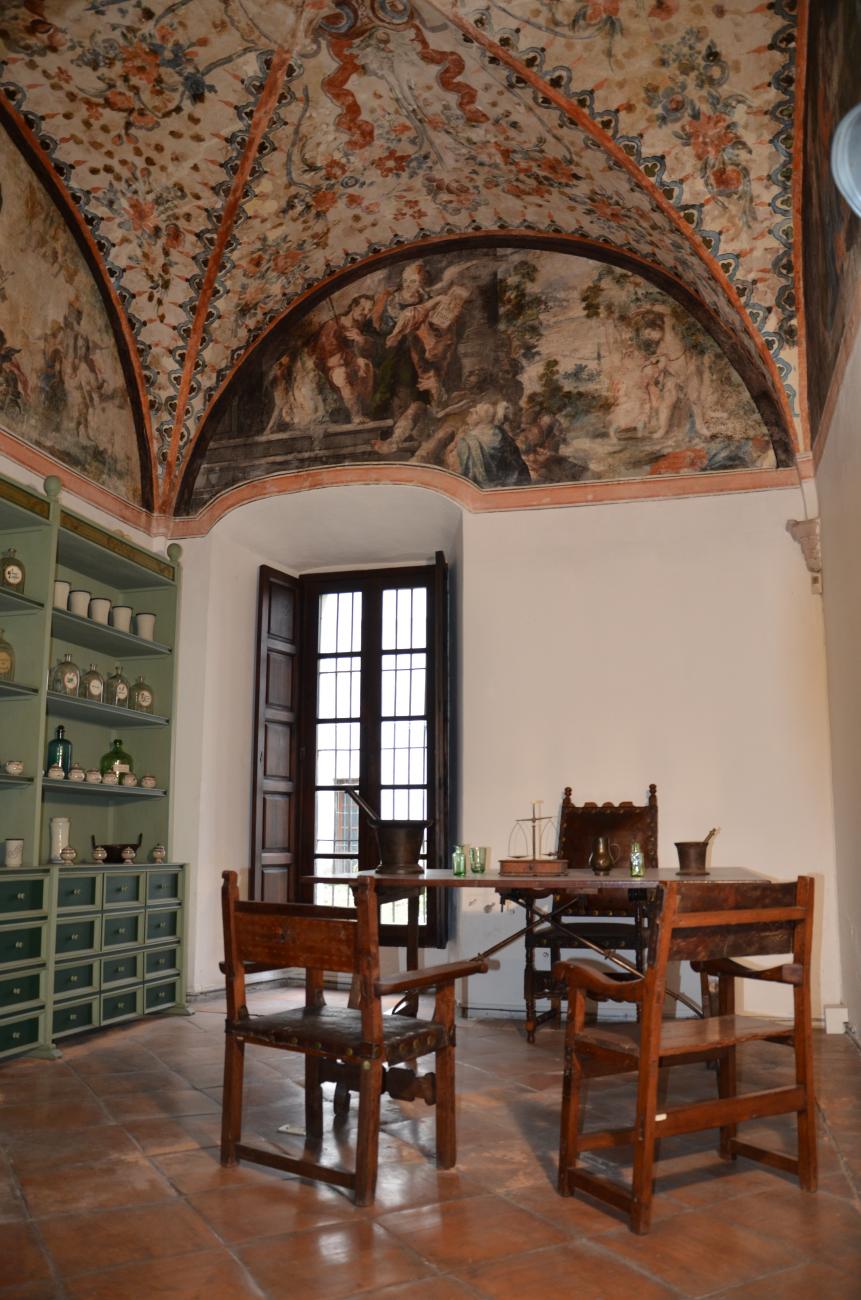
Near the entrance to the cloister lies the old apothecary. Through its window, visitors can see the infirmary courtyard, once used to grow medicinal plants. The ceiling features 17th-century mural paintings depicting scenes related to medicine, including the revered physician saints Cosmas and Damian.
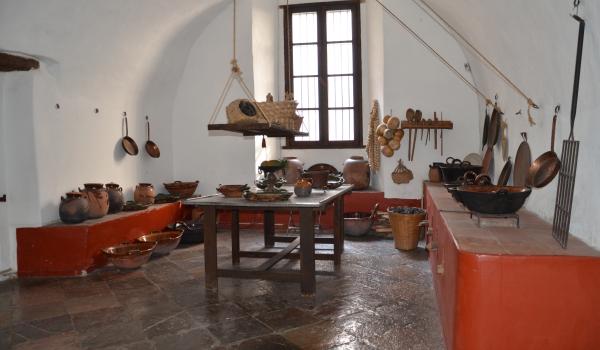
Kitchen
Part of the architectural complex of the Old Novitiate College of Tepotzotlán, the kitchen was rebuilt in the 18th century. Visitors can still see the large cooking braziers, the stone sink, and the turntable used to pass food to the adjoining dining area. The setting offers insight not only into…
Kitchen
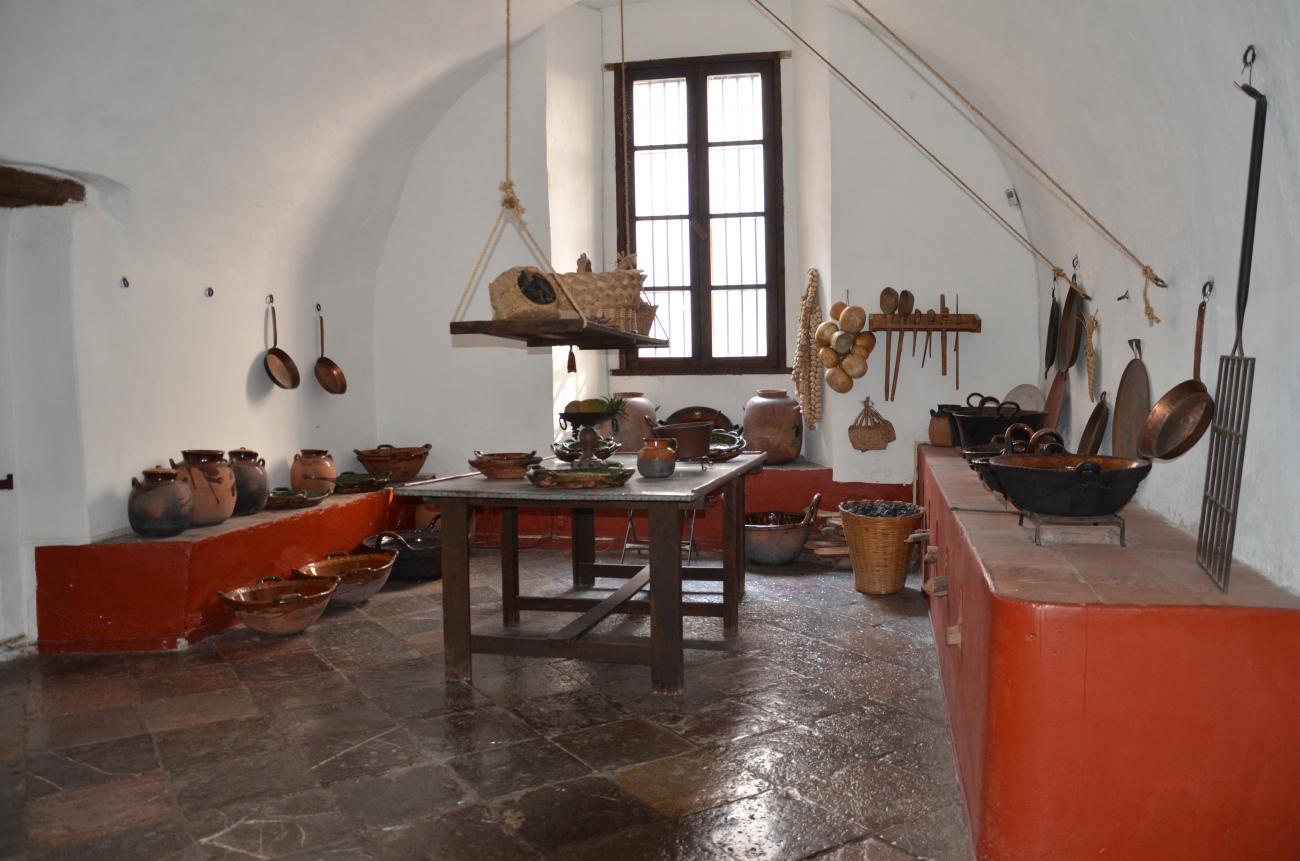
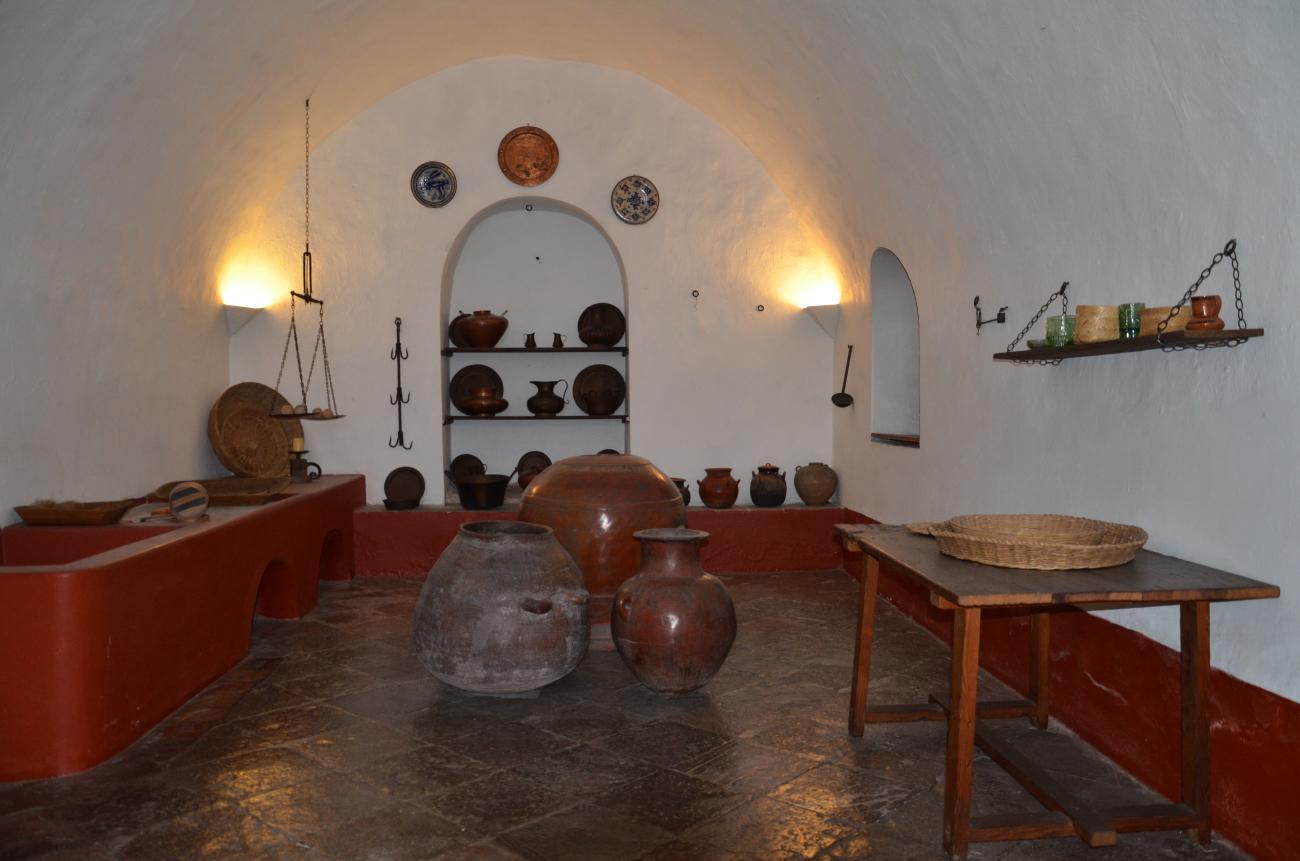
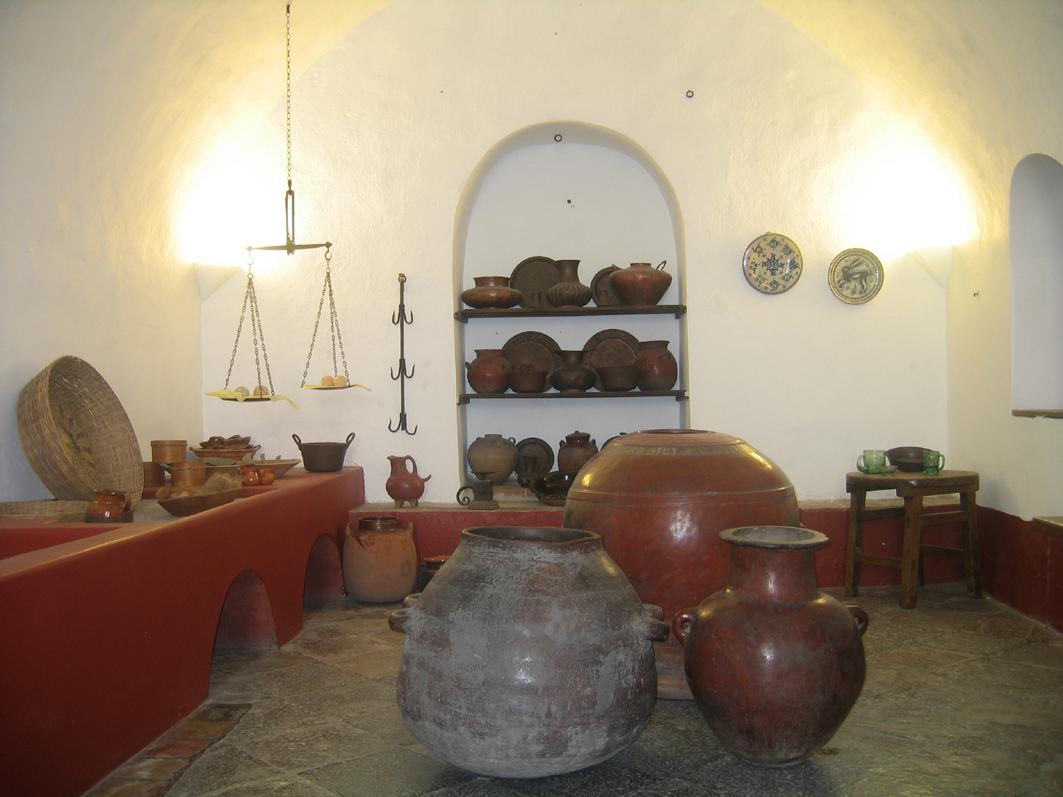
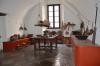
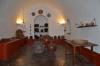
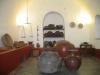
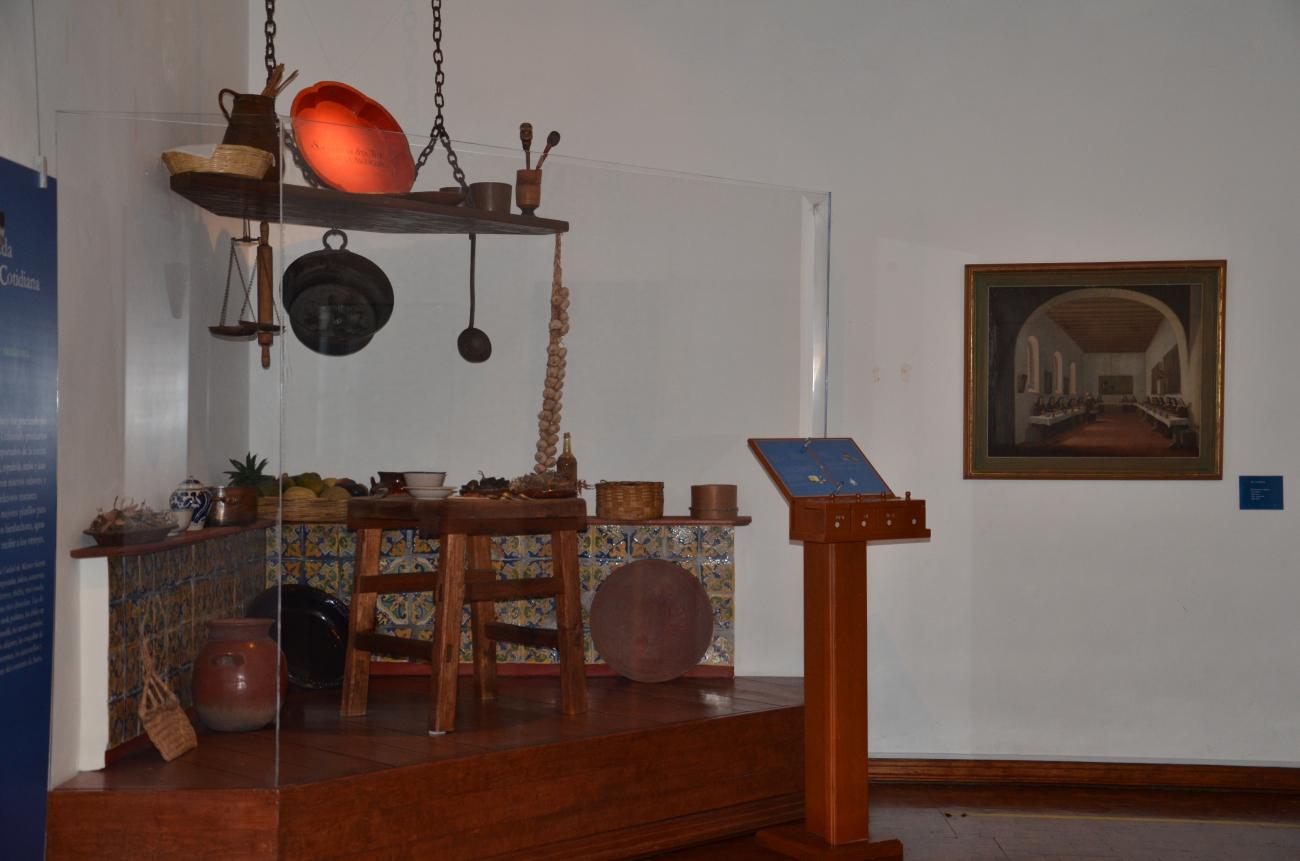
Part of the architectural complex of the Old Novitiate College of Tepotzotlán, the kitchen was rebuilt in the 18th century. Visitors can still see the large cooking braziers, the stone sink, and the turntable used to pass food to the adjoining dining area. The setting offers insight not only into how the kitchen looked but also into daily life during that time.
Refrigeration Room and Wine Cellar
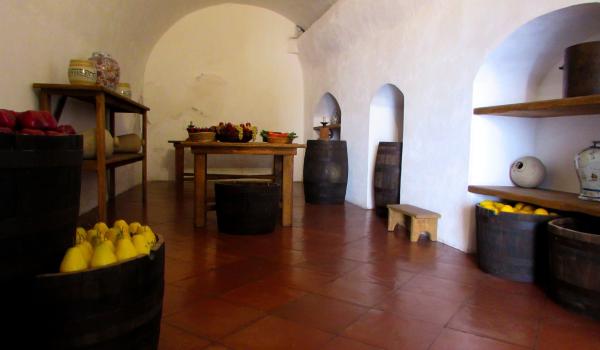
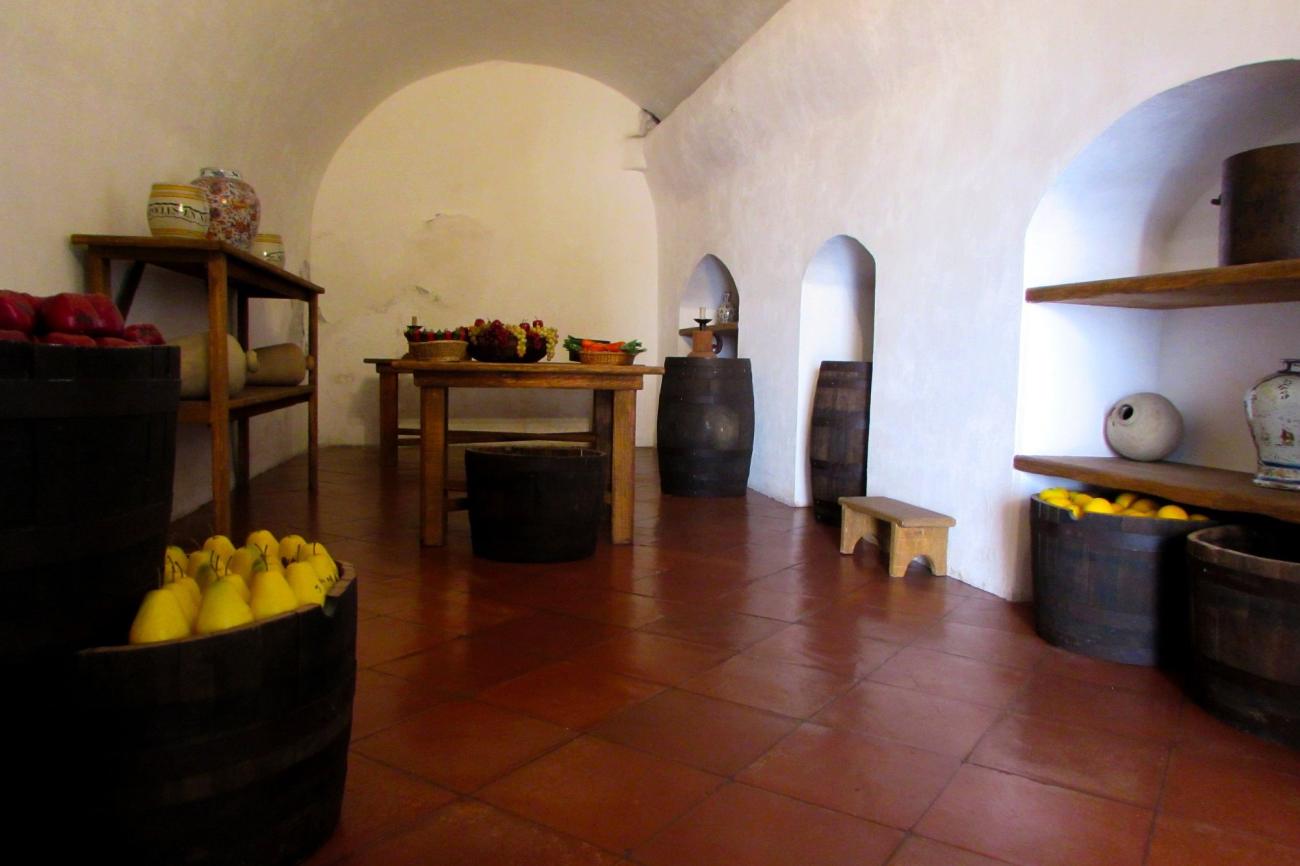
Located adjacent to the kitchen courtyard, these rooms served as a refrigeration area and wine cellar. They are small vaulted spaces that remain cool and damp year-round, thanks to internal wall channels that carried water from the orchard’s aqueduct to the kitchen courtyard fountain.
Refrigeration Room and Wine Cellar
Refectory
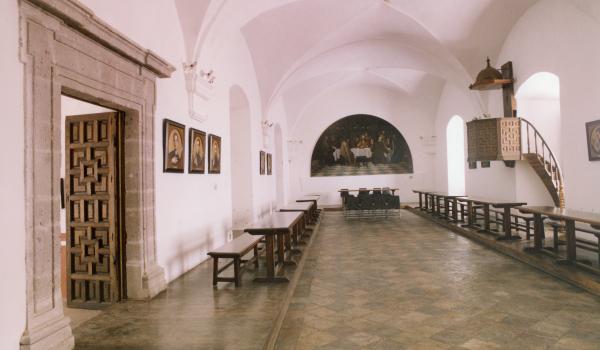
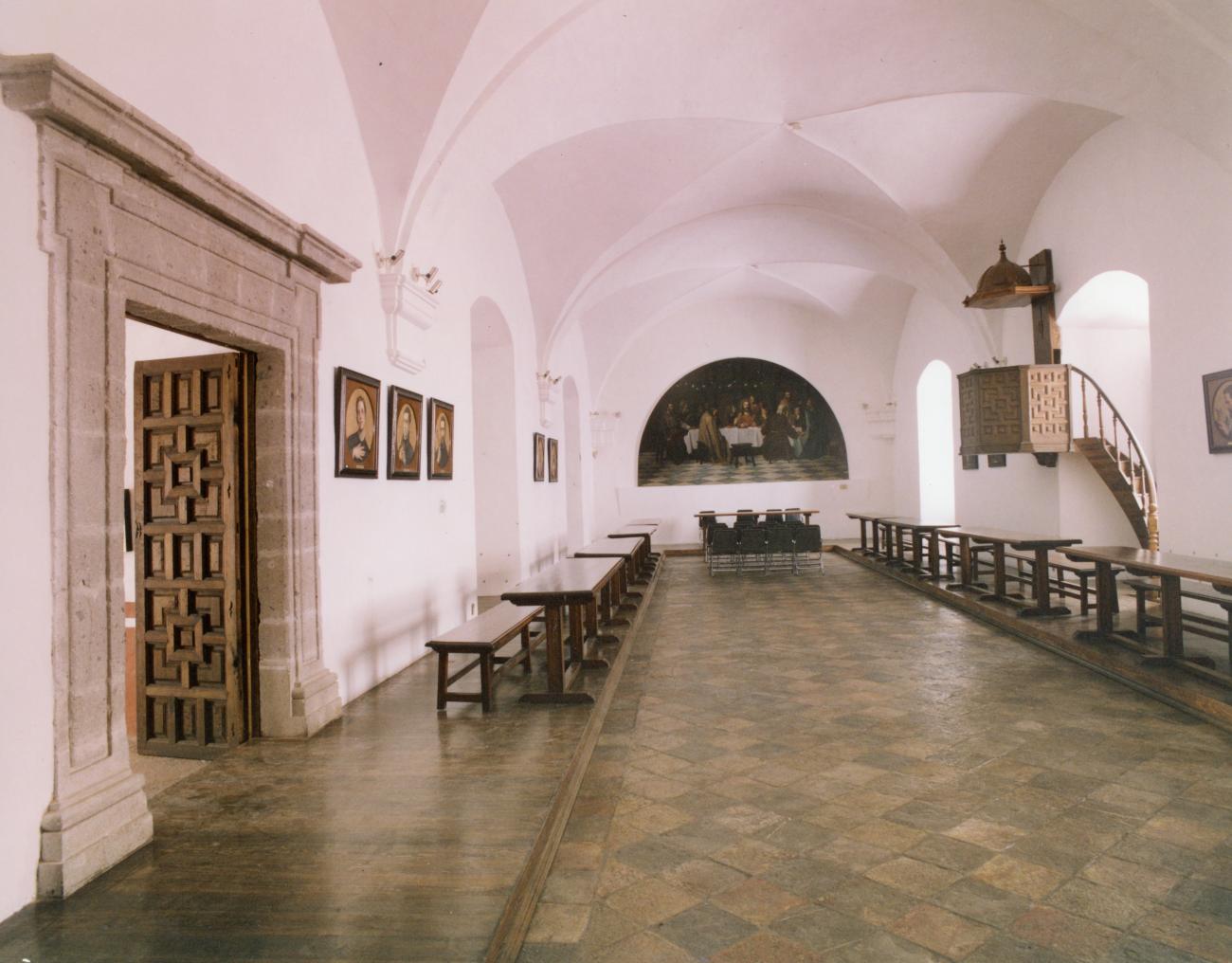
This was where novices and priests ate their meals. It features a pulpit for readings during meals, and the tables and benches sit on platforms similar to those originally used by the college’s residents. The walls are adorned with paintings by Gonzalo Carrasco, the college’s final rector in 1914.
Refectory
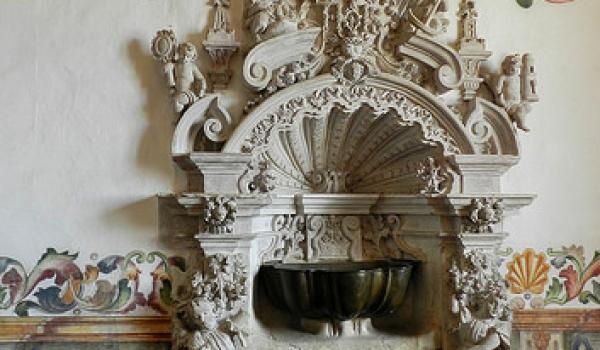
Sacristy
Historical DescriptionA space dedicated to the priests' reflection before mass. It contains large drawers once used to store liturgical vestments and sacred vessels such as chalices and ciboria.Aesthetic DescriptionThe sacristy includes a series of paintings by Miguel Cabrera from the mid-18th…
Sacristy
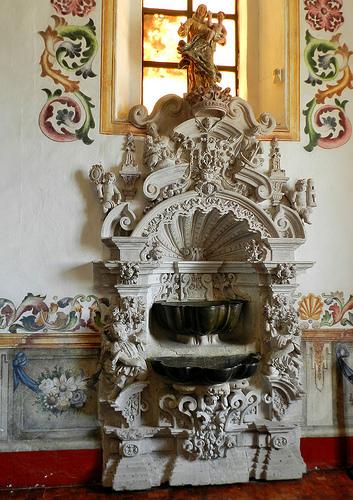
Historical Description
A space dedicated to the priests' reflection before mass. It contains large drawers once used to store liturgical vestments and sacred vessels such as chalices and ciboria.
Aesthetic Description
The sacristy includes a series of paintings by Miguel Cabrera from the mid-18th century, depicting scenes of Jesus' celebration of the Jewish Passover and the Last Supper. The largest painting shows the Immaculate Conception with Saint Ignatius of Loyola.
The Conquest
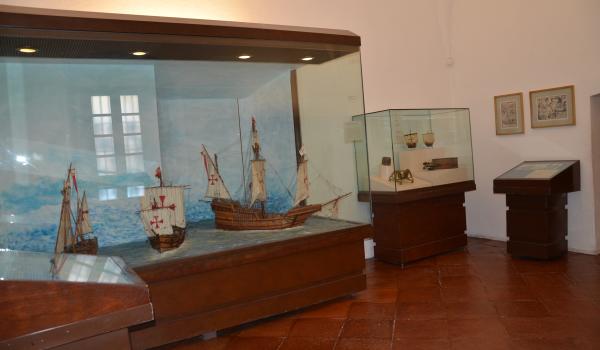
The first galleries explore the events leading up to the conquest of Mexico. Pre-Hispanic artifacts illustrate features of Mesoamerican civilizations and northern arid-zone groups. The exhibition also examines the Iberian Peninsula at the time of contact with the Americas. Navigation instruments…
The Conquest
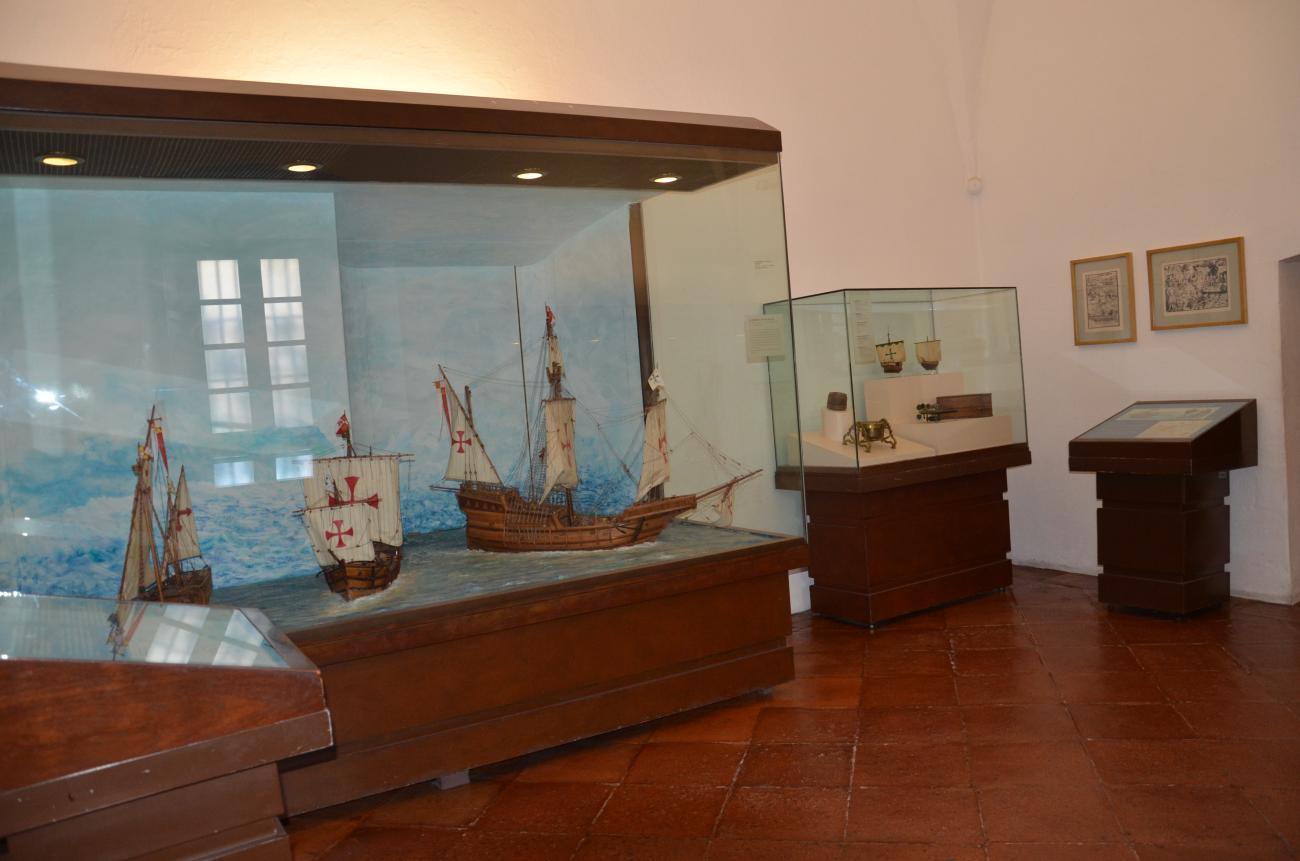
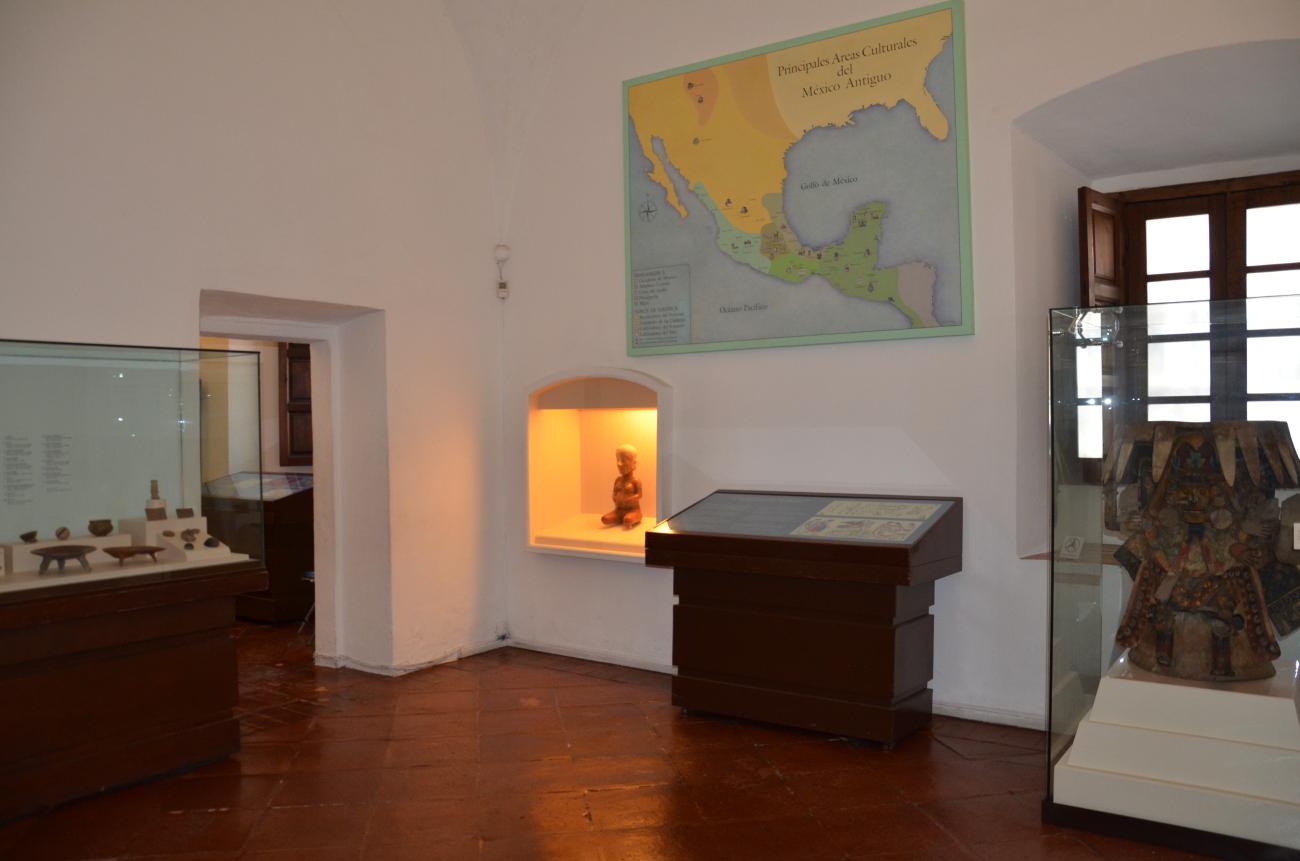
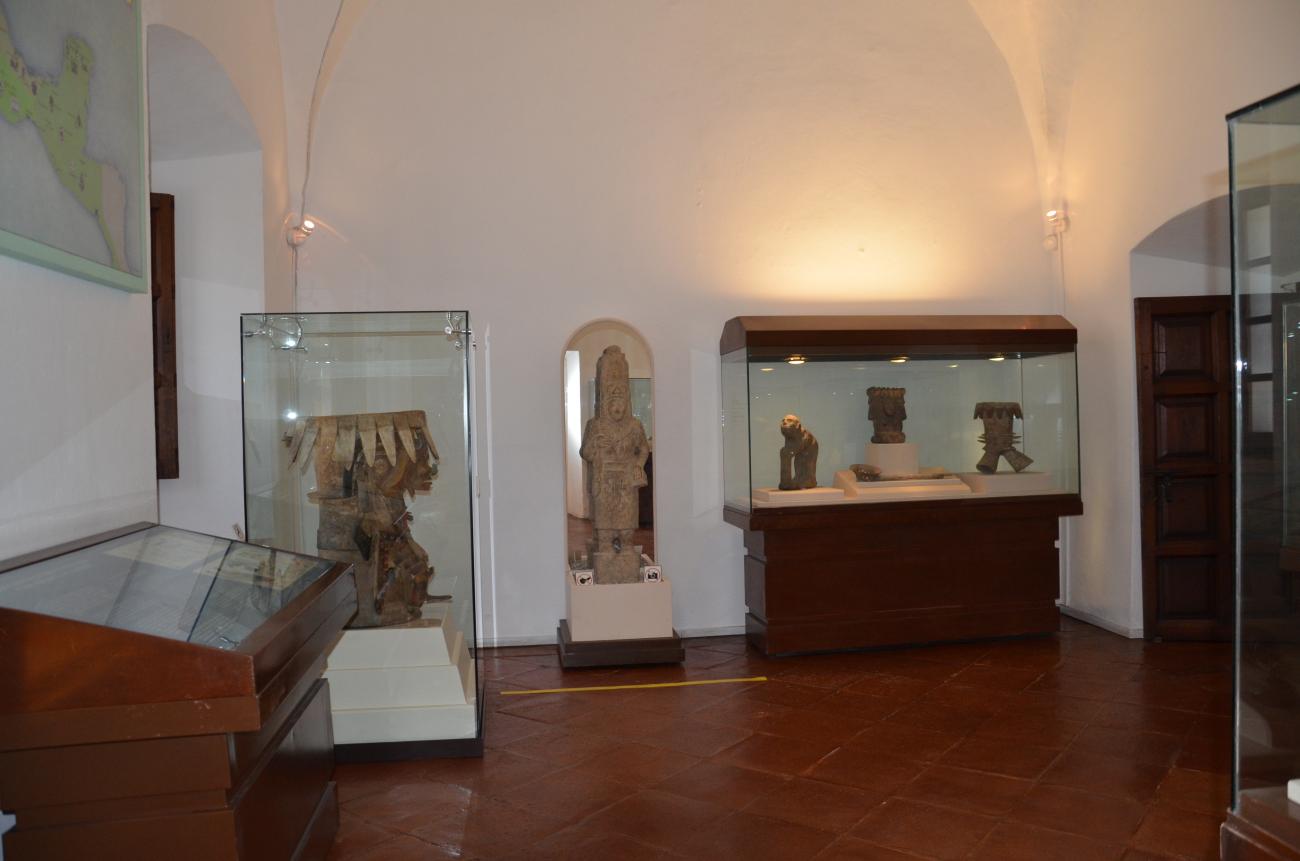
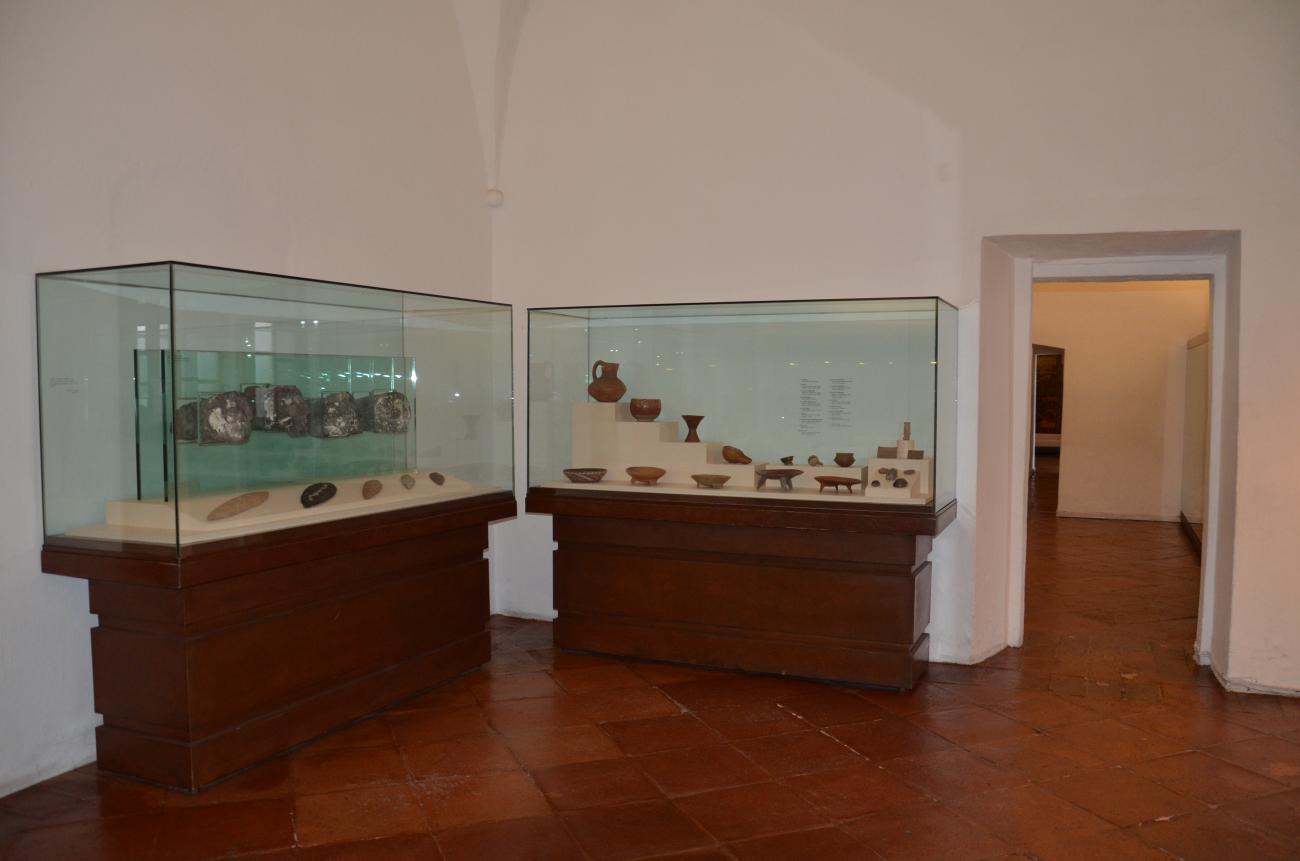

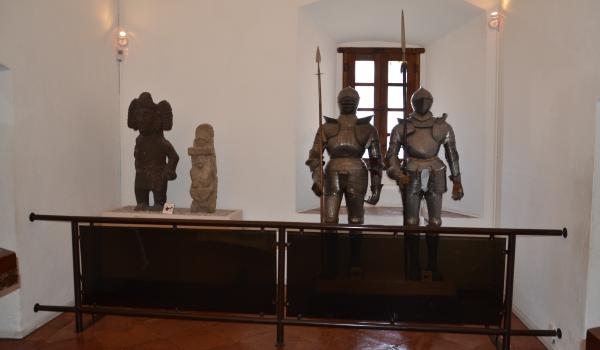
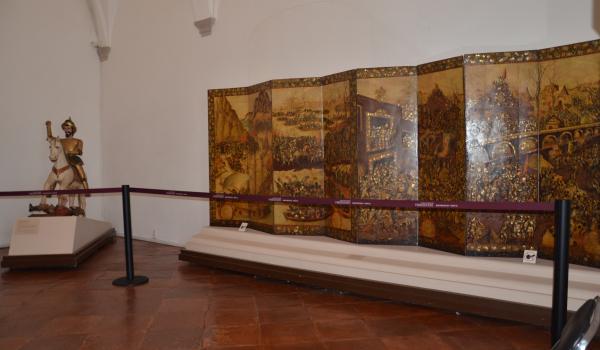
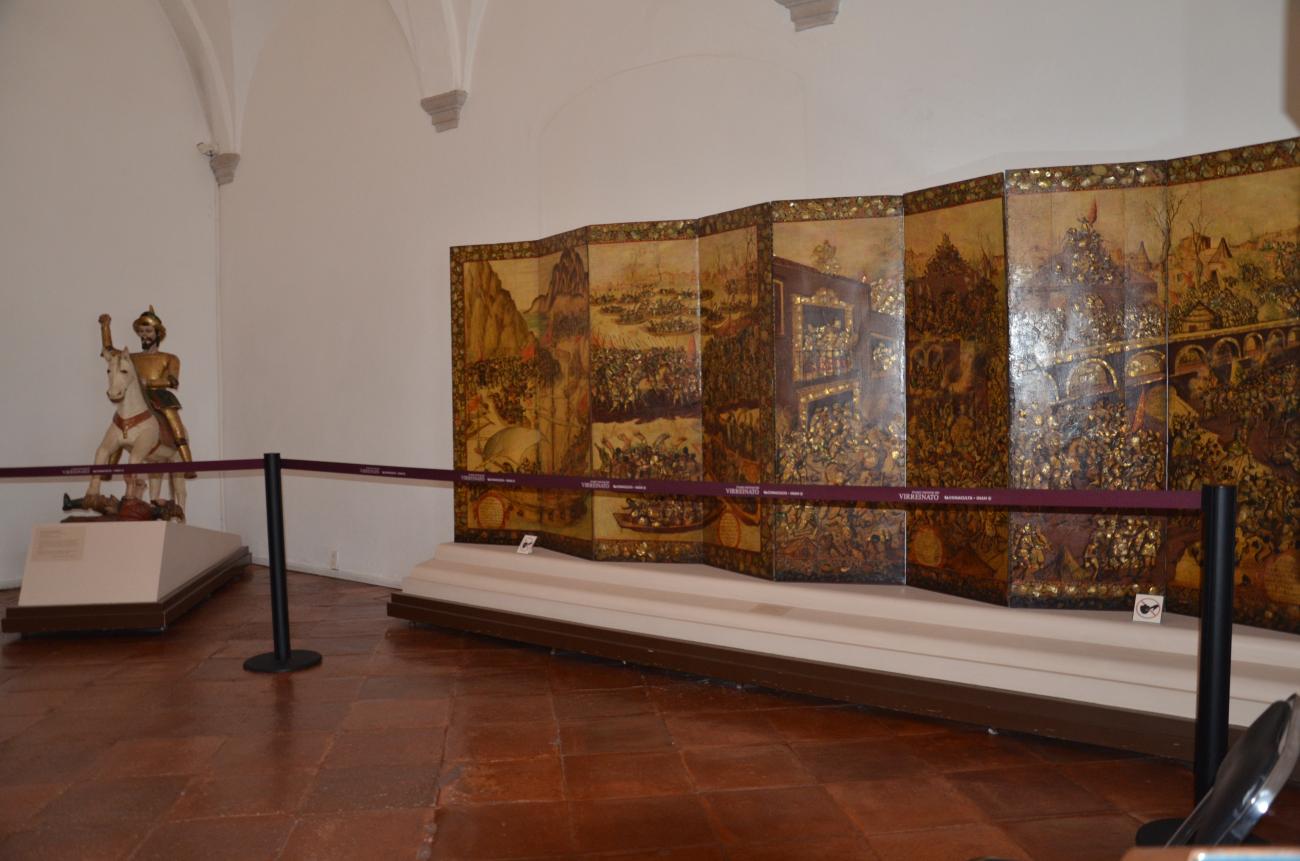
The first galleries explore the events leading up to the conquest of Mexico. Pre-Hispanic artifacts illustrate features of Mesoamerican civilizations and northern arid-zone groups. The exhibition also examines the Iberian Peninsula at the time of contact with the Americas. Navigation instruments and model ships explain the factors that made Columbus’s arrival possible, along with the experiences of early colonists in the Caribbean and the expeditions to the mainland. Armor and indigenous deities evoke the conditions of the conquest, culminating in an 18th-century shell-inlaid folding screen that summarizes the final resistance of the Mexica and the fall of Tenochtitlán to Hernán Cortés and his indigenous allies.
The Bourbon Reforms and the Crisis of Colonial Society
Other galleries address the transformative reforms that began in 1760 and culminated in widespread discontent and the onset of conflict in 1808. Paintings, furnishings, and documents reflect the impact of Bourbon reforms and the arrival of inspector José de Gálvez, who sought to restore political…
The Bourbon Reforms and the Crisis of Colonial Society
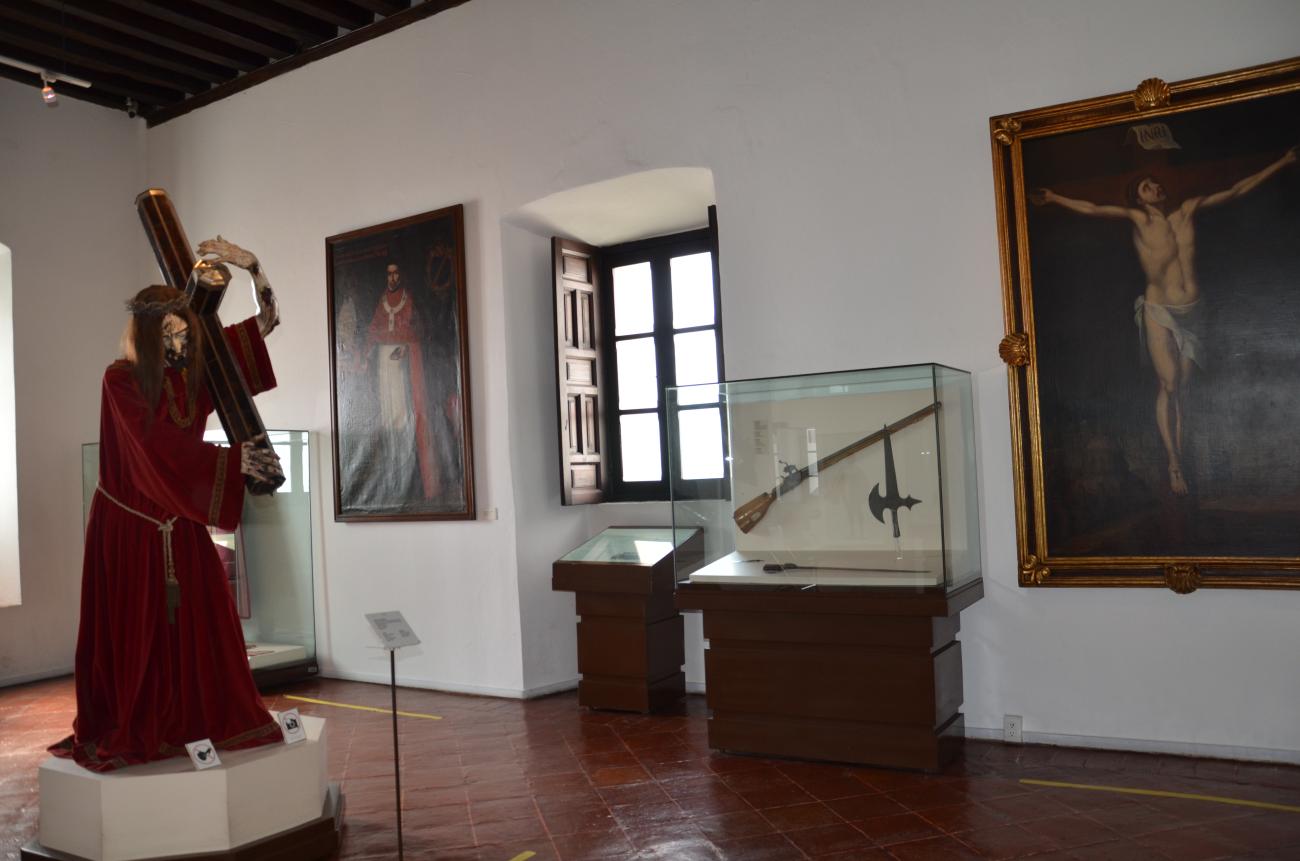
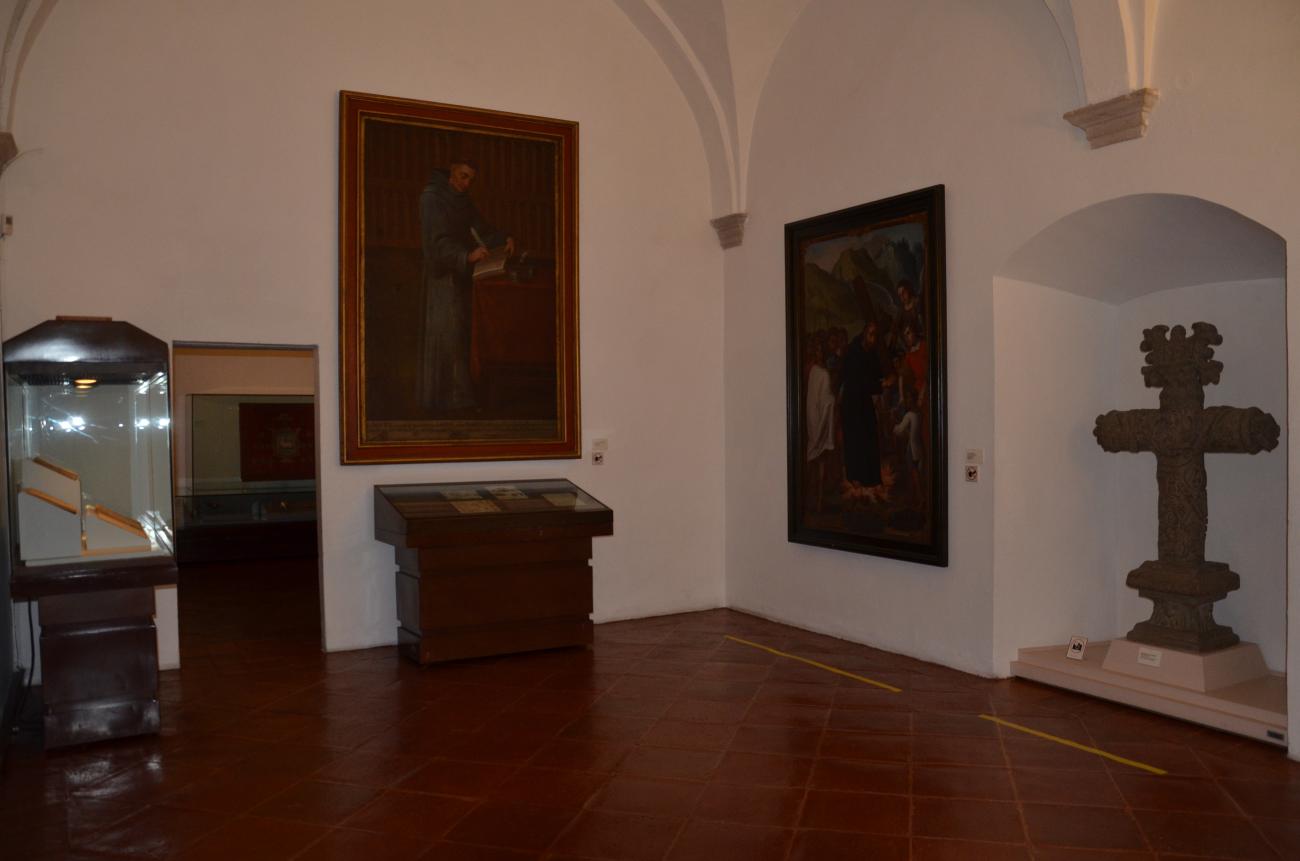
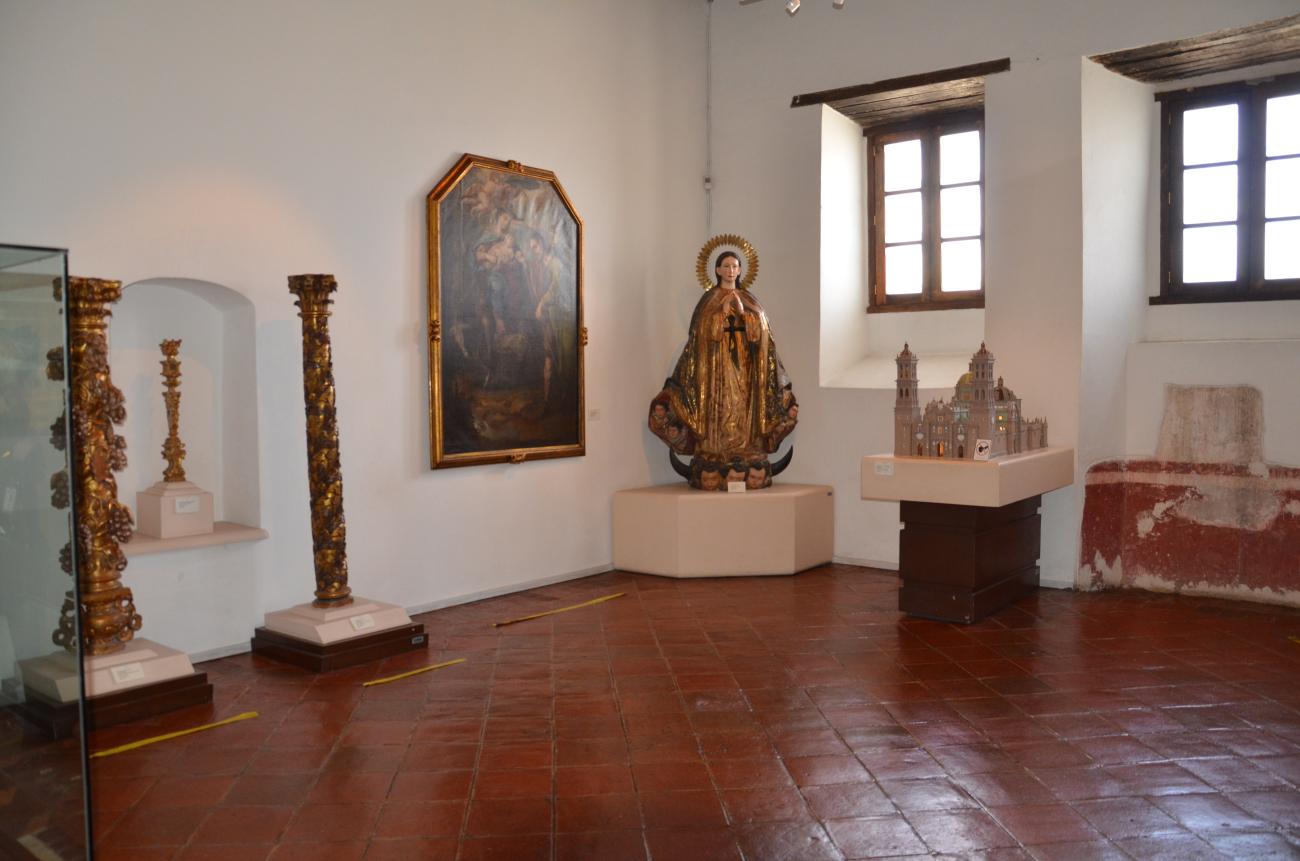
Other galleries address the transformative reforms that began in 1760 and culminated in widespread discontent and the onset of conflict in 1808. Paintings, furnishings, and documents reflect the impact of Bourbon reforms and the arrival of inspector José de Gálvez, who sought to restore political and economic control for the Crown. The final rooms examine how Enlightenment ideas influenced science, fashion, and the arts in New Spain. Portraits, clothing, ceramics, and silverwork illustrate these changes. The exhibits highlight how Bourbon policy destabilized the old colonial order, particularly by displacing the criollo class, leading to growing criticism and eventually to the insurgency of 1810 that ended with Mexico’s independence 11 years later.
Early Colonial Society
The exhibit continues with the defining characteristics of early colonial life after the military conquest. This period was marked by profound and lasting changes for the future of Mexico. The gallery includes a colonial-era setting and a model of a 16th-century convent, illustrating the…
Early Colonial Society
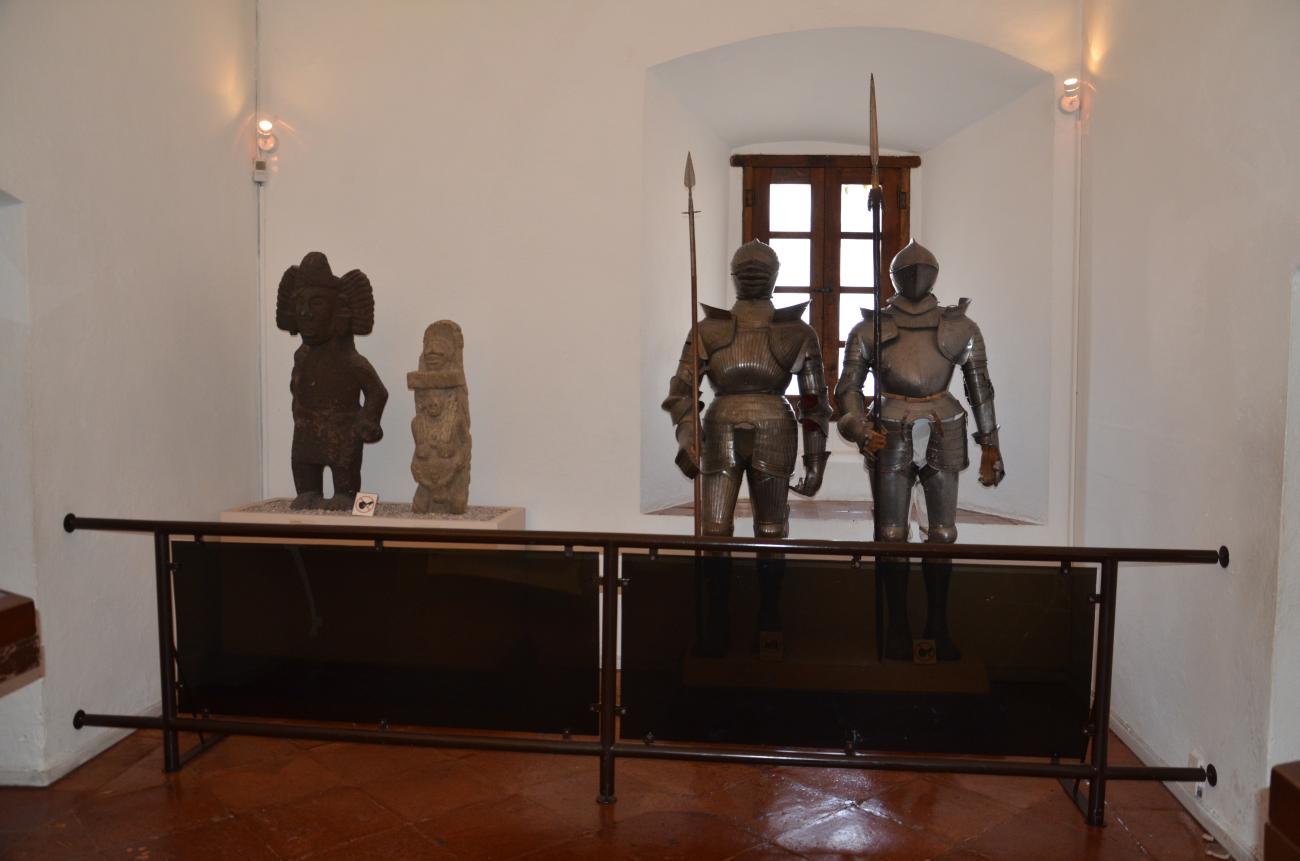
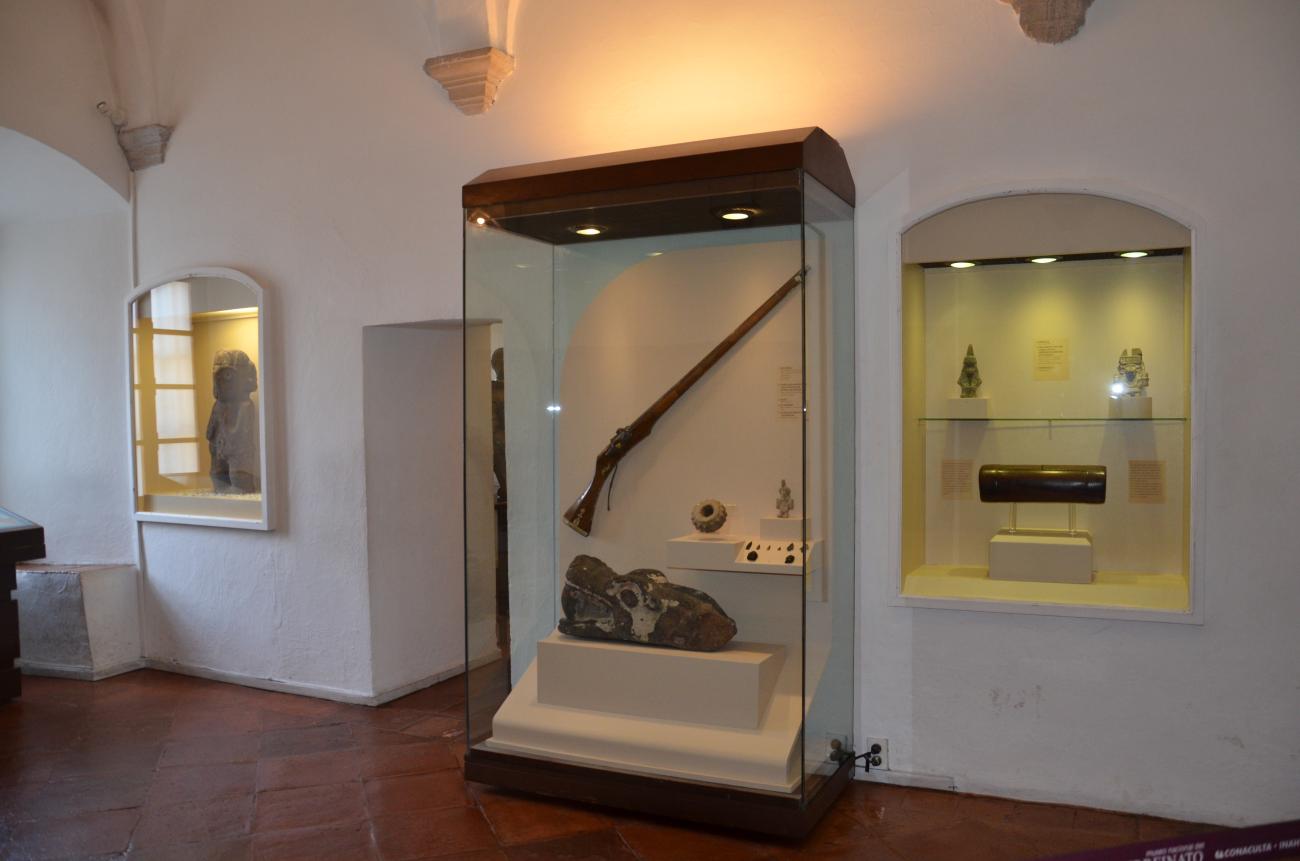
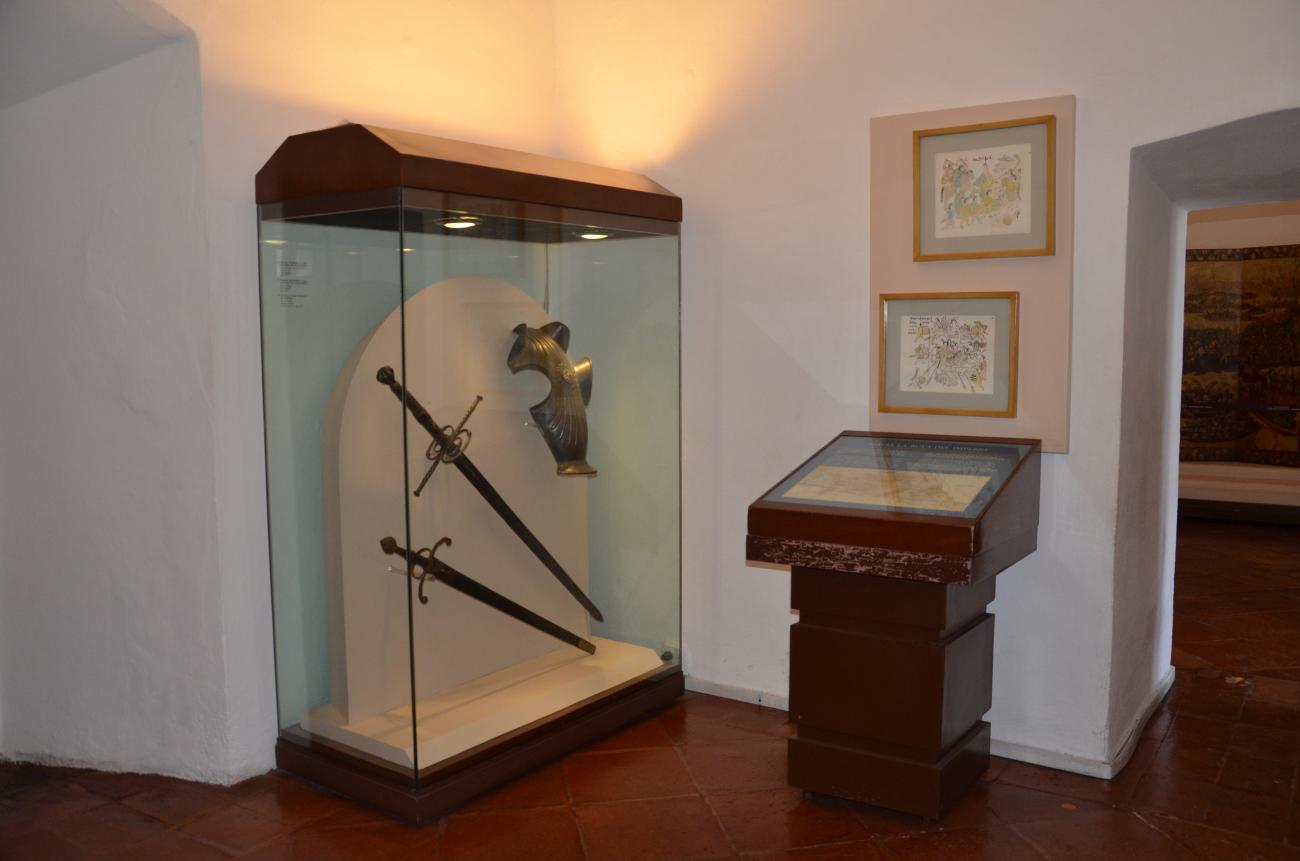
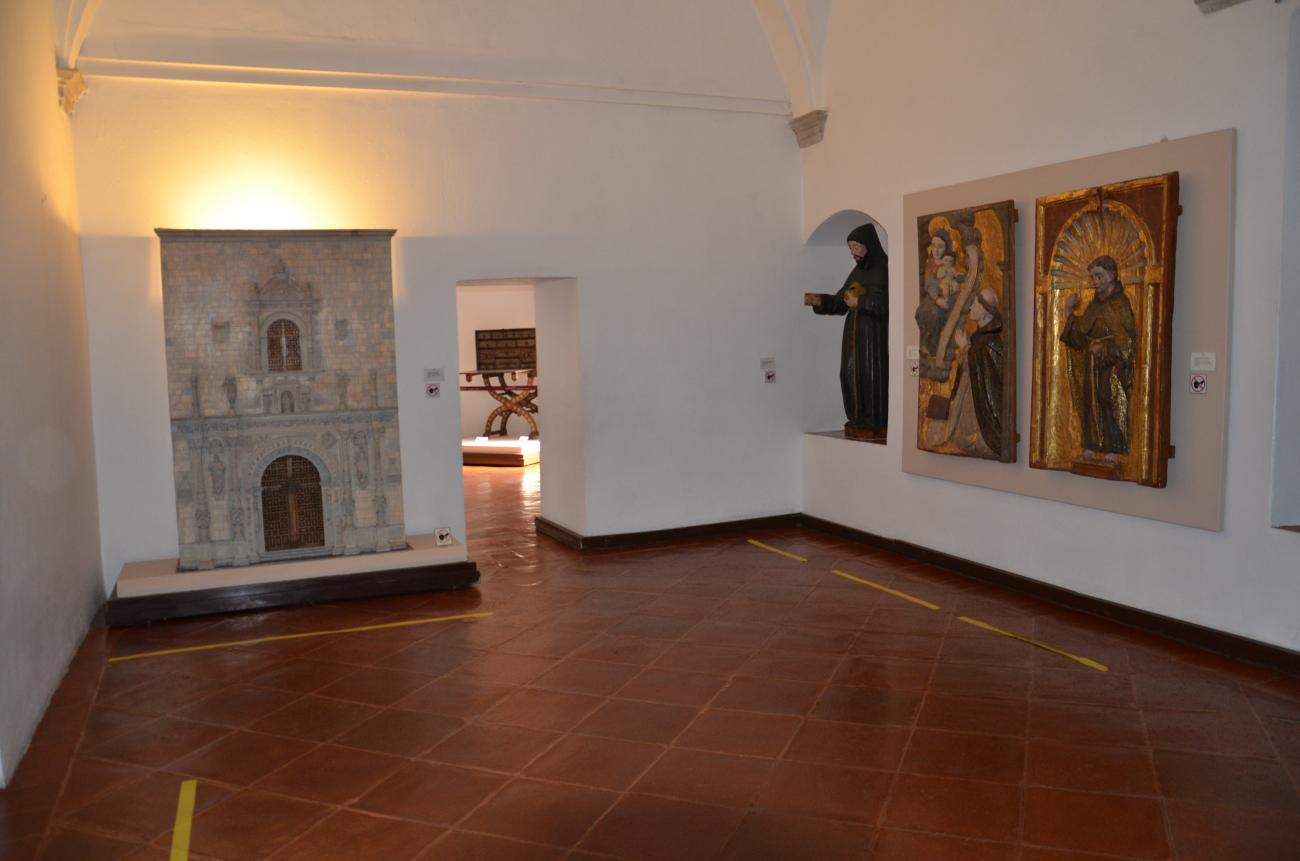
The exhibit continues with the defining characteristics of early colonial life after the military conquest. This period was marked by profound and lasting changes for the future of Mexico. The gallery includes a colonial-era setting and a model of a 16th-century convent, illustrating the establishment of new civil and religious institutions over indigenous communities. Tools, silverware, and ceramics reflect the exploitation of natural resources and indigenous labor, as well as the introduction of new crops, mining, livestock, and sugarcane. Missionary portraits, liturgical objects, and catechism facsimiles show the process of spiritual conquest led first by religious orders, then by the secular church. The gallery emphasizes the emergence of cultural mestizaje, a blend of enduring indigenous practices and European thought.
Integration of New Spain
This phase covers the development and integration of various aspects of New Spanish society, from the early 17th century to the late 18th century. Olive presses, coins, and documents on local products like cochineal highlight the colony's growing economic independence from Spain. A model of a…
Integration of New Spain
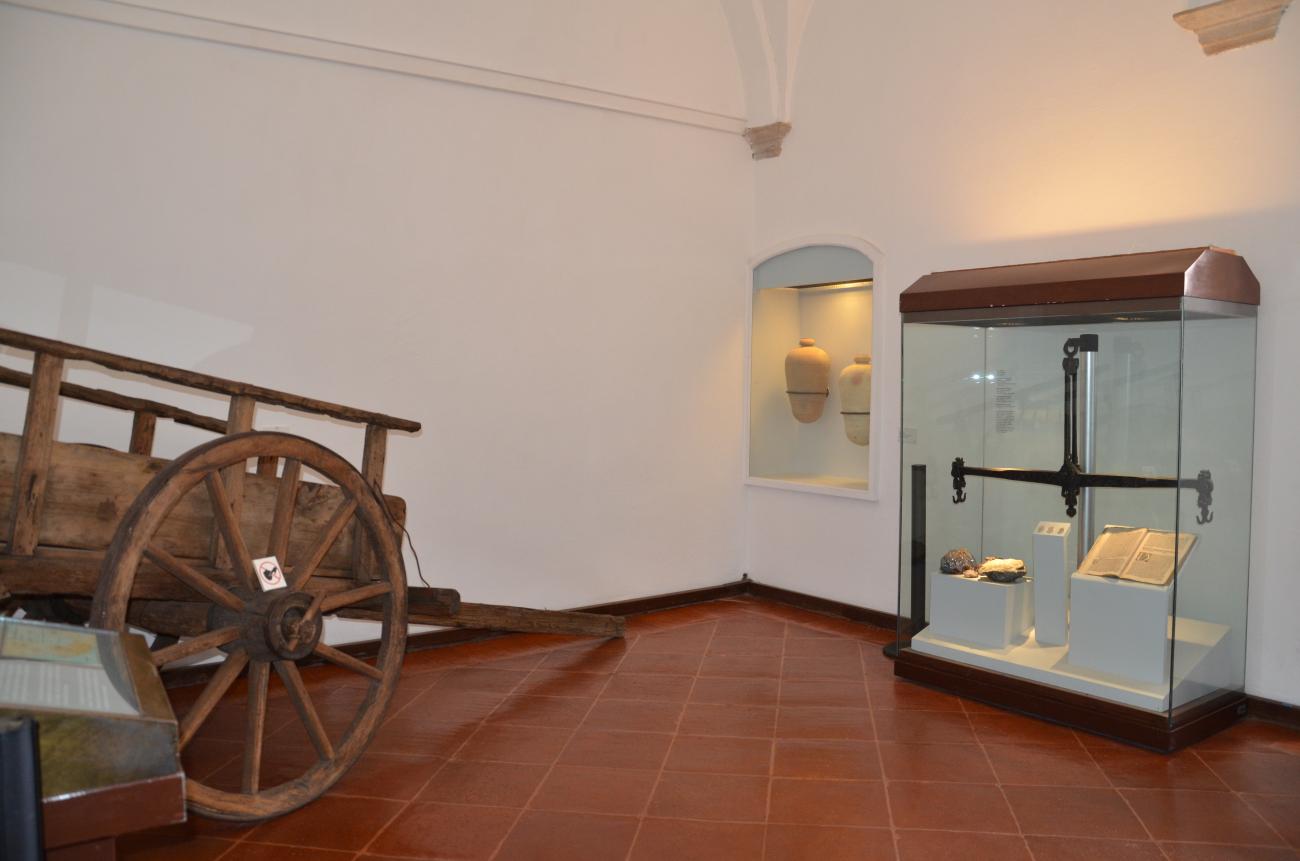
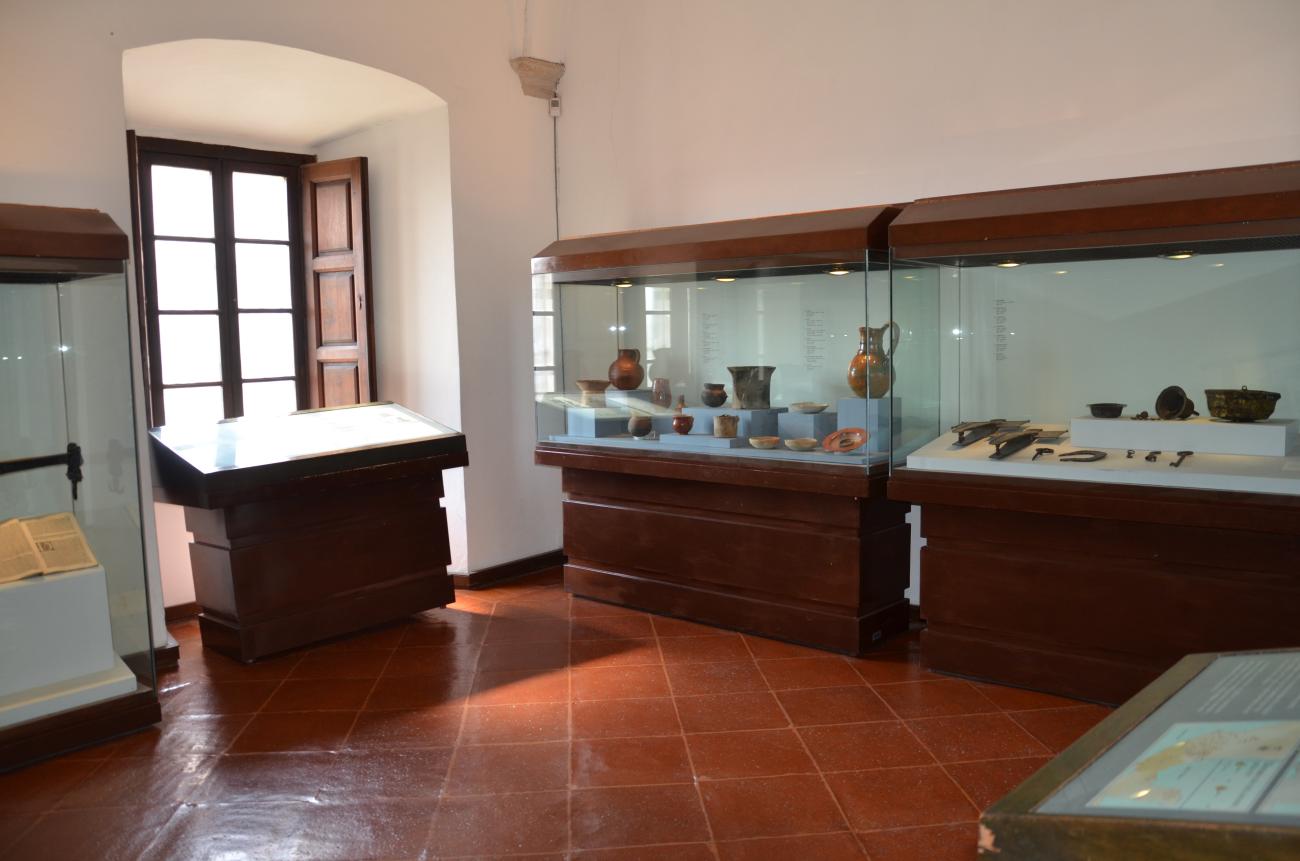

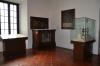
This phase covers the development and integration of various aspects of New Spanish society, from the early 17th century to the late 18th century. Olive presses, coins, and documents on local products like cochineal highlight the colony's growing economic independence from Spain. A model of a silver-processing patio illustrates the hacienda as a dominant economic unit. The rise of criollos to public office, the increasing power of the Church, and the Inquisition's role are represented through lavish objects. During this time, intellectuals such as Sor Juana Inés de la Cruz expressed aspirations for a society with its own identity. Baroque art flourished, along with religious symbols like the Virgin of Guadalupe. A recreated scene of Mexico City's main square, with its diverse population of the late 18th century, illustrates the cultural blend of Indigenous, Spanish, and African peoples.
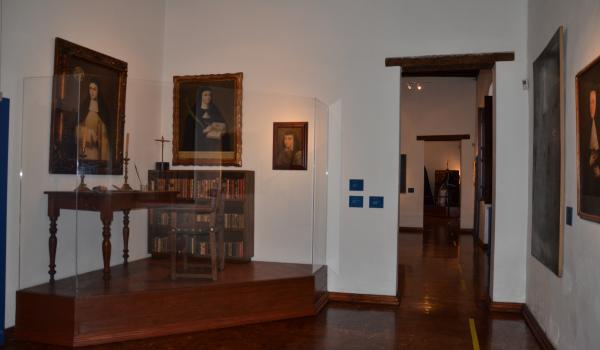
Crowned Nuns: Women in Convent Life
At the heart of this exhibit is a collection of more than twenty portraits of crowned nuns—the most significant of its kind in Latin America for both artistic and historical value. Through paintings, engaging explanations, and interactive elements, the exhibit explores the lives of women who joined…
Crowned Nuns: Women in Convent Life
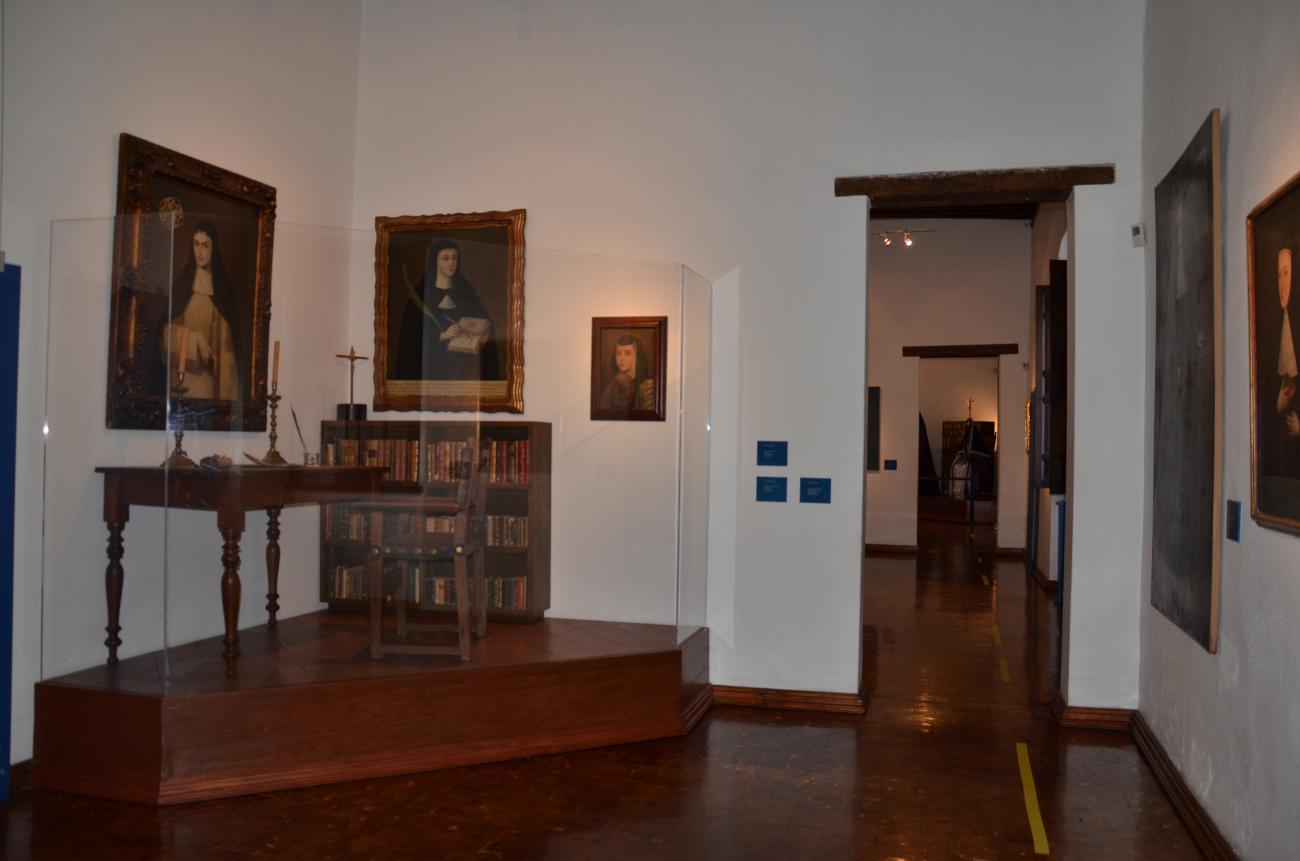
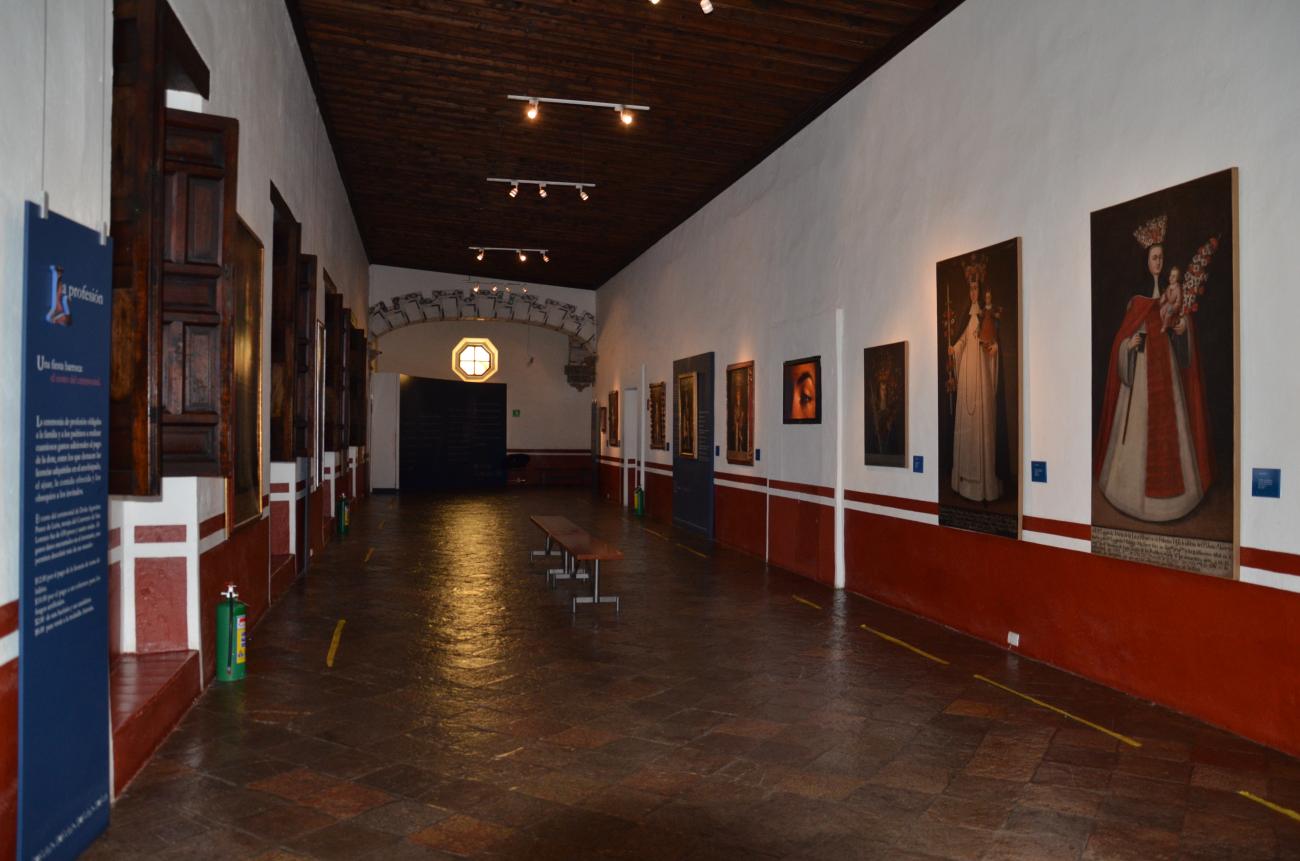
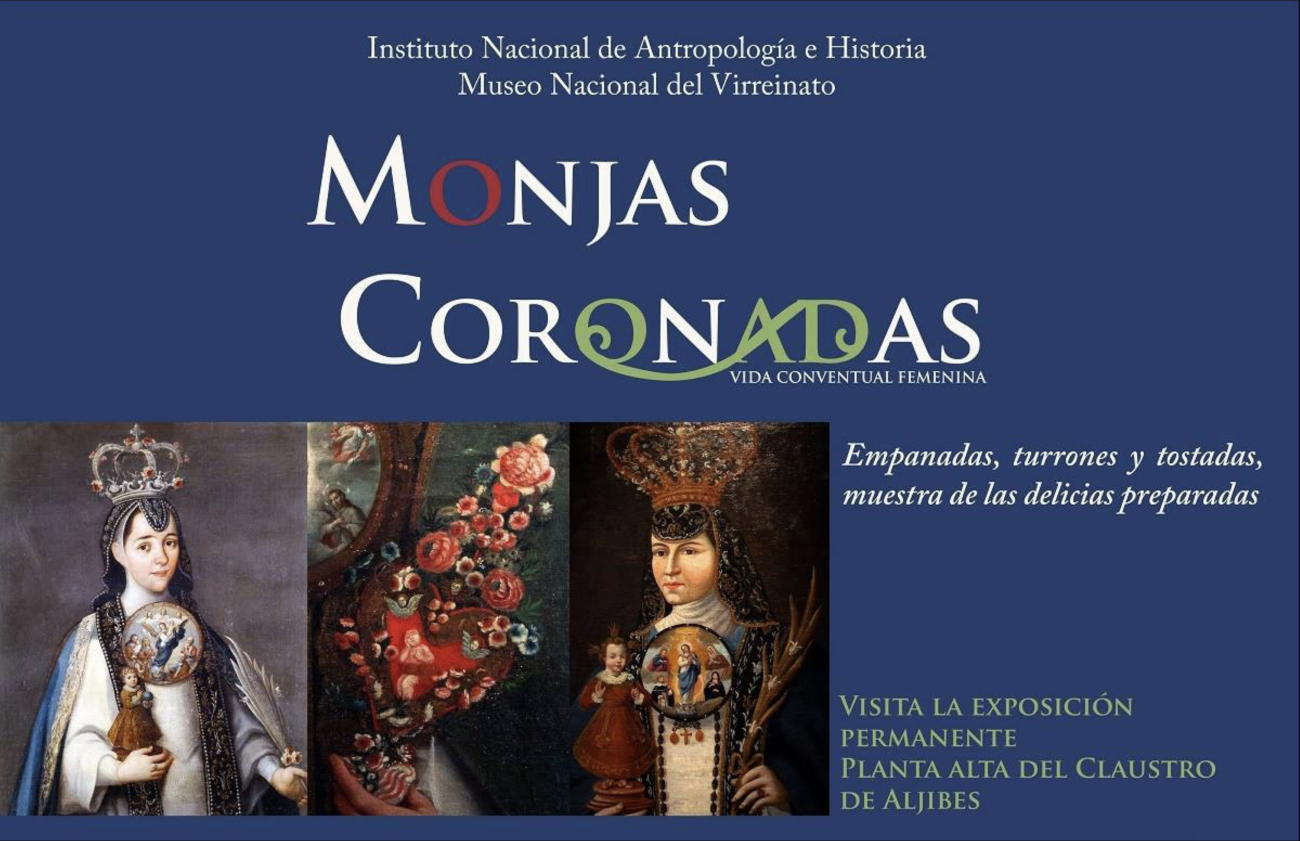
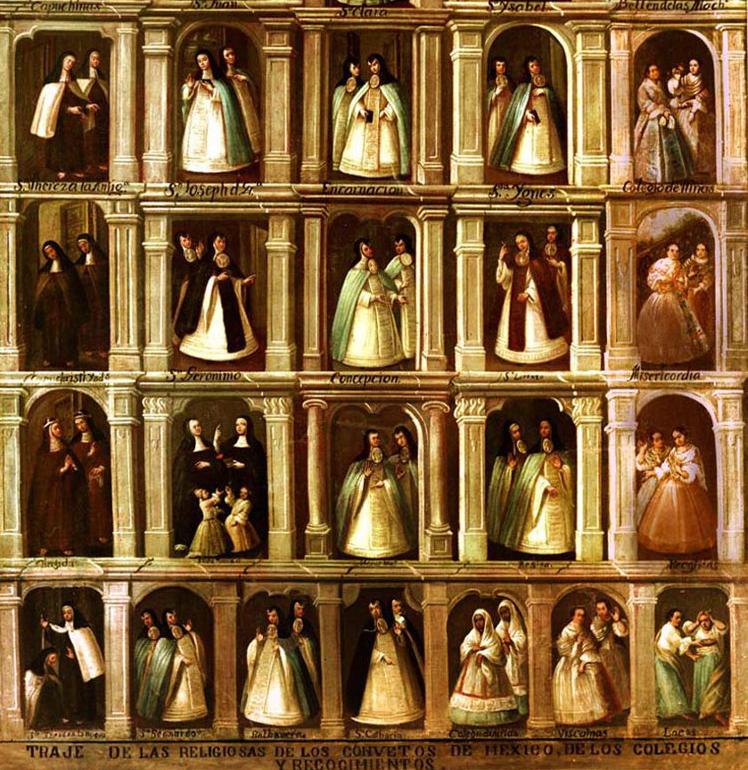
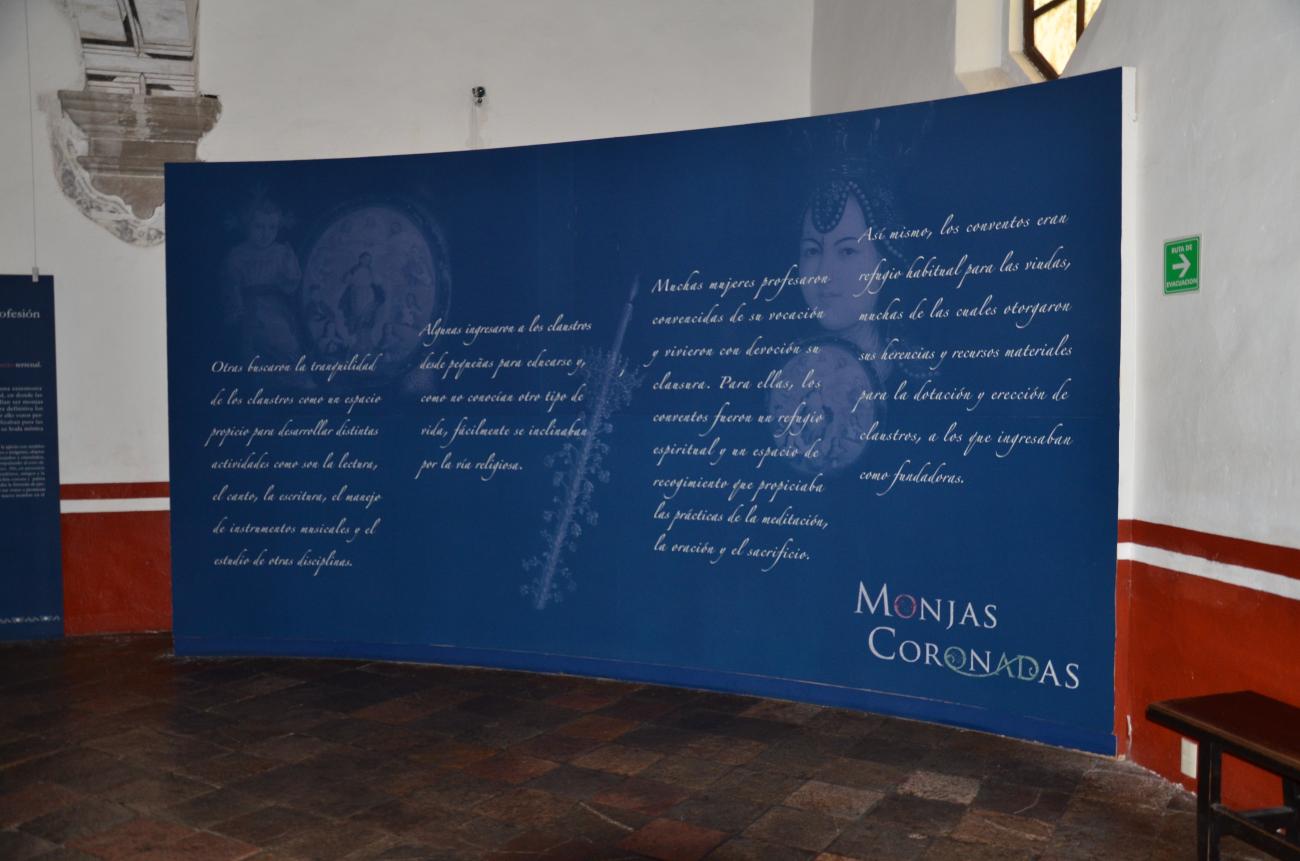
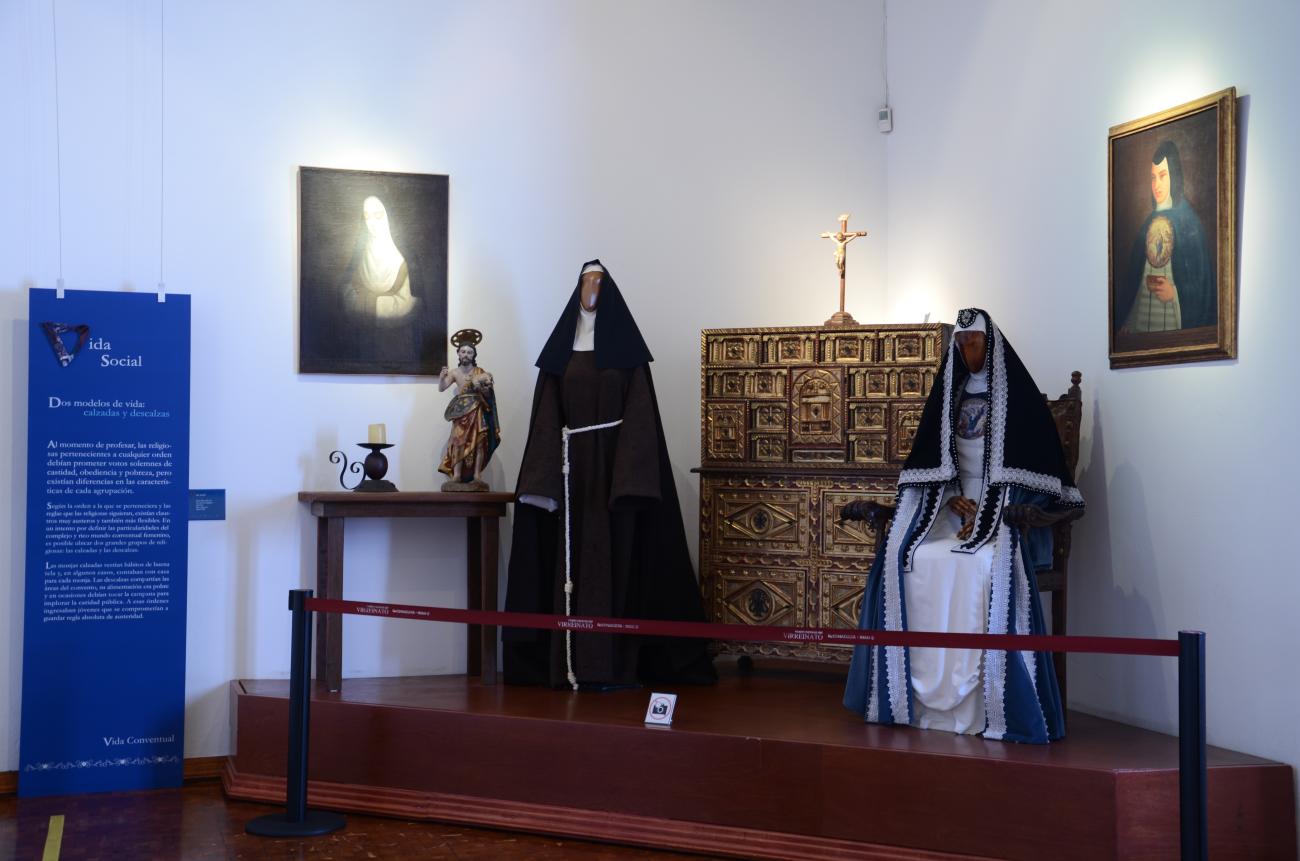
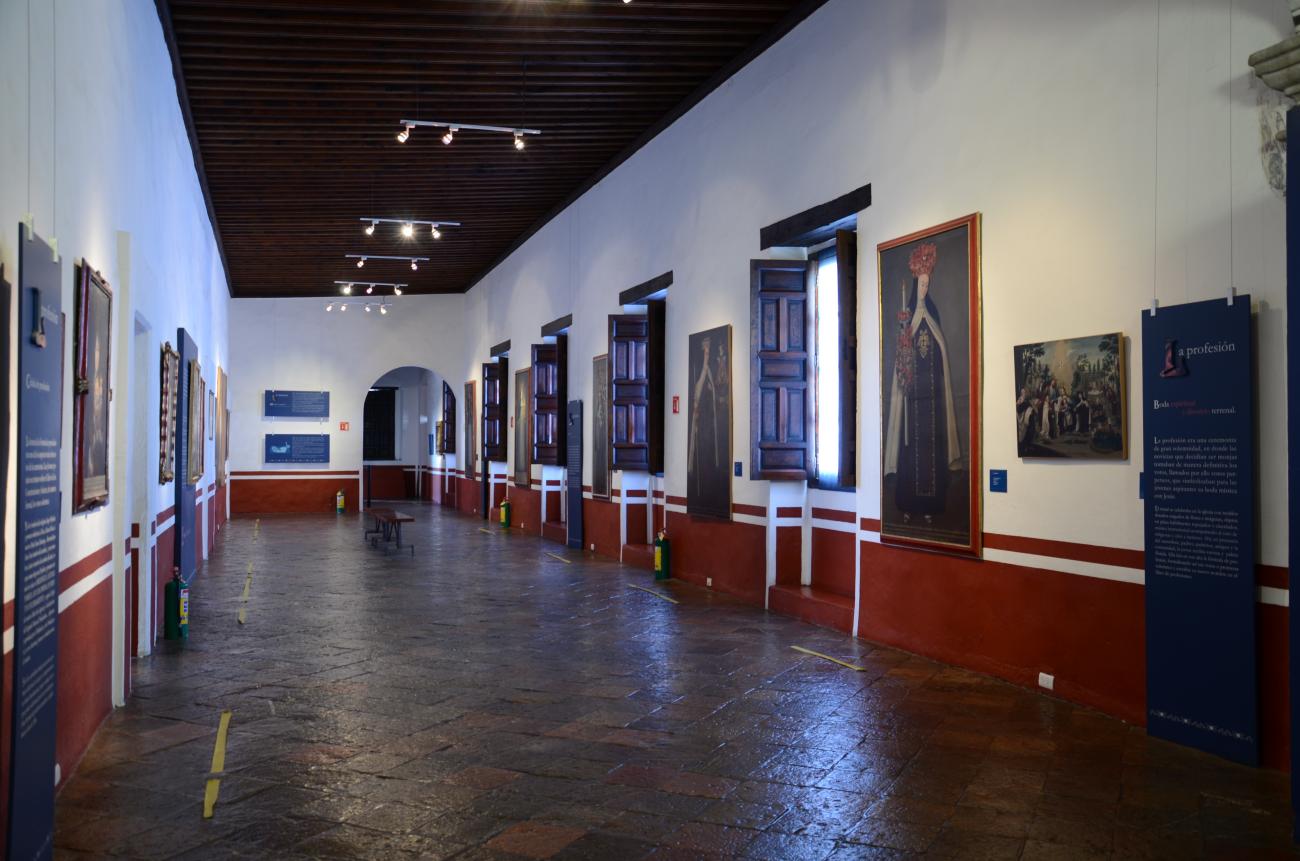
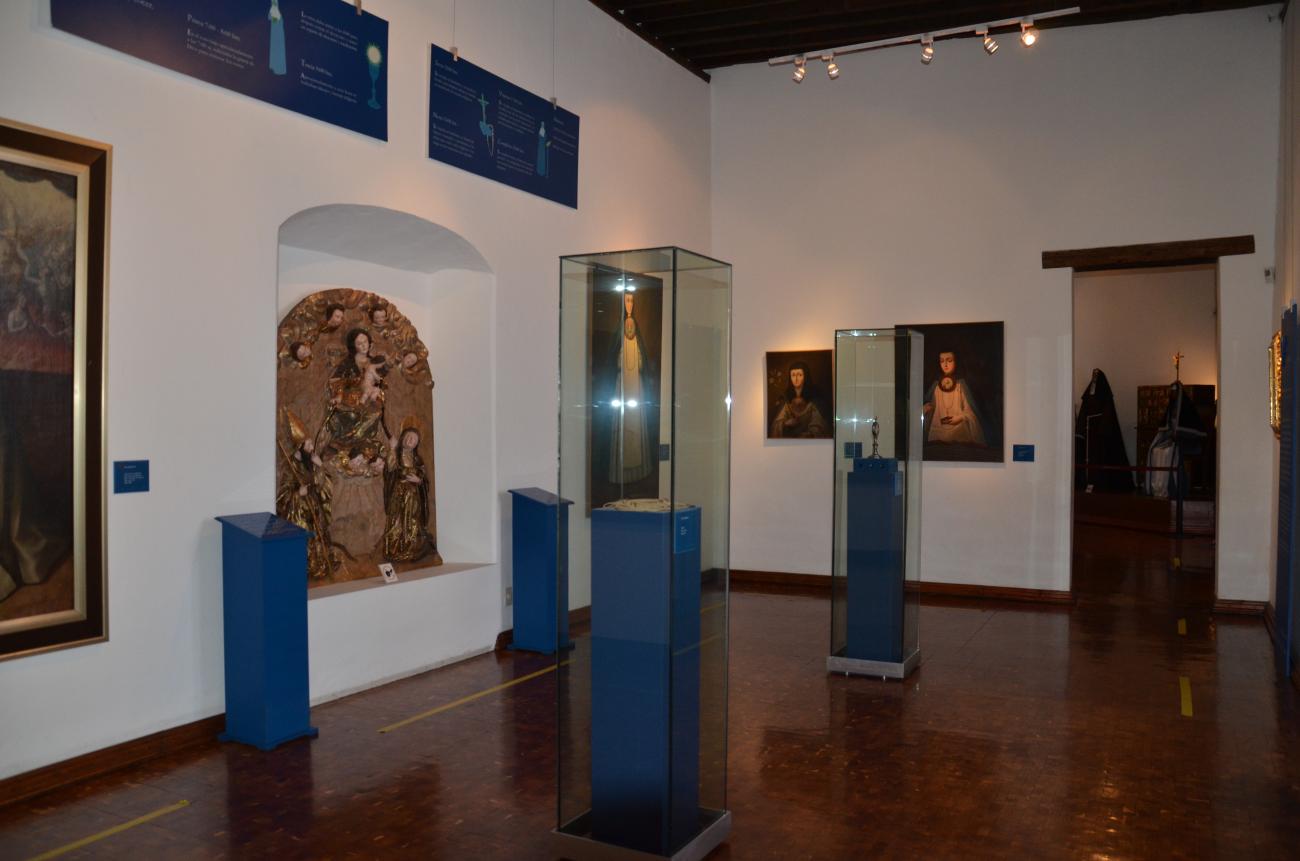

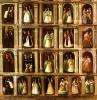

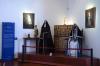
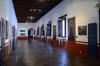
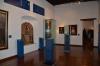
At the heart of this exhibit is a collection of more than twenty portraits of crowned nuns—the most significant of its kind in Latin America for both artistic and historical value. Through paintings, engaging explanations, and interactive elements, the exhibit explores the lives of women who joined convents during the colonial period.
These paintings captivate specialists and first-time visitors alike. Many pause to gaze at the faces of these women, which seem to return their gaze, pose silent questions, and transport the viewer to another time.
Their ornate crowns and vivid clothing make these portraits stand out from the typical themes of colonial painting. Yet their decoration is not merely aesthetic; the crowns, palms, and other symbols carry strong religious meaning, intended to powerfully convey their significance in the colonial era.
These portraits commemorate two key moments in a nun’s life: profession and death. Profession portraits depict the moment a young woman took her final vows, symbolically “dying” to the outside world. Upon death, portraits were made again, featuring floral crowns and palms, designed to communicate their spiritual journey through easily recognizable symbols.
The crowned nun portraits offer a glimpse—like grand windows—into the rich and complex world of the colonial Baroque in the Americas.
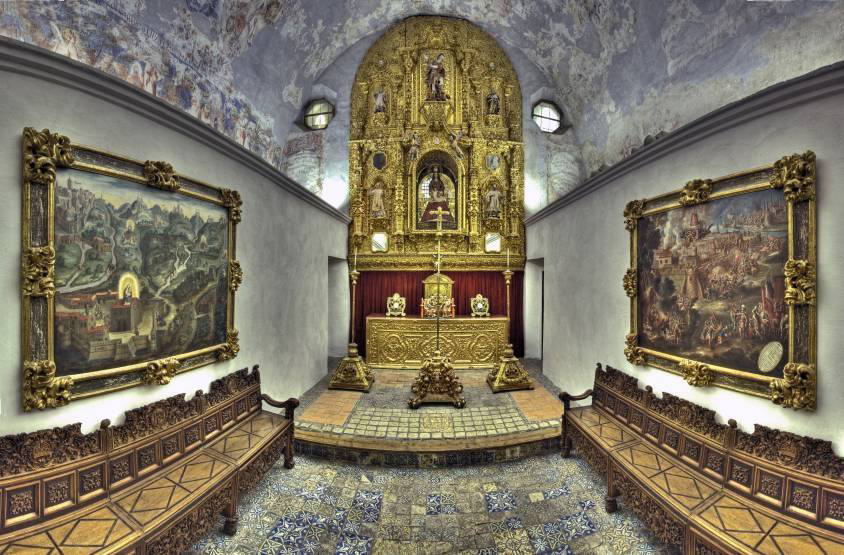
Domestic or Novices’ Chapel
Historical DescriptionAlso known as the Novices’ Chapel, this space was shared by young Jesuit students and priests. Here, novices took part in religious services. The presbytery is adorned with paintings depicting saints whose lives served as moral examples for them.Aesthetic DescriptionBuilt in…
Domestic or Novices’ Chapel
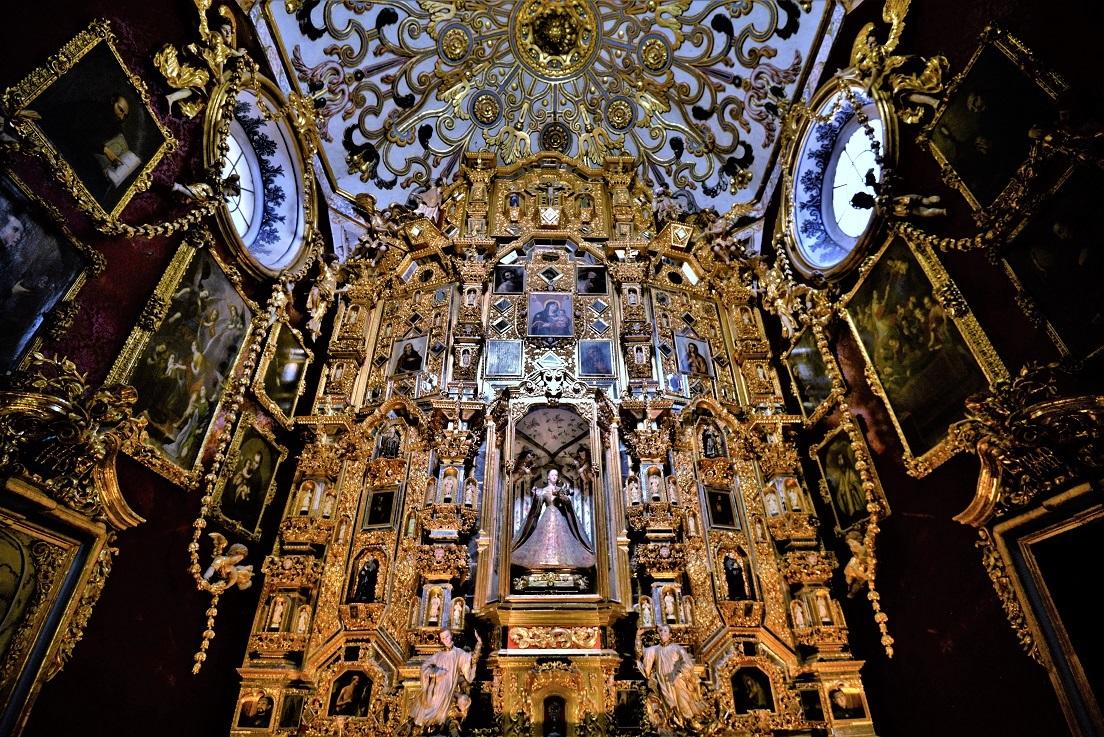
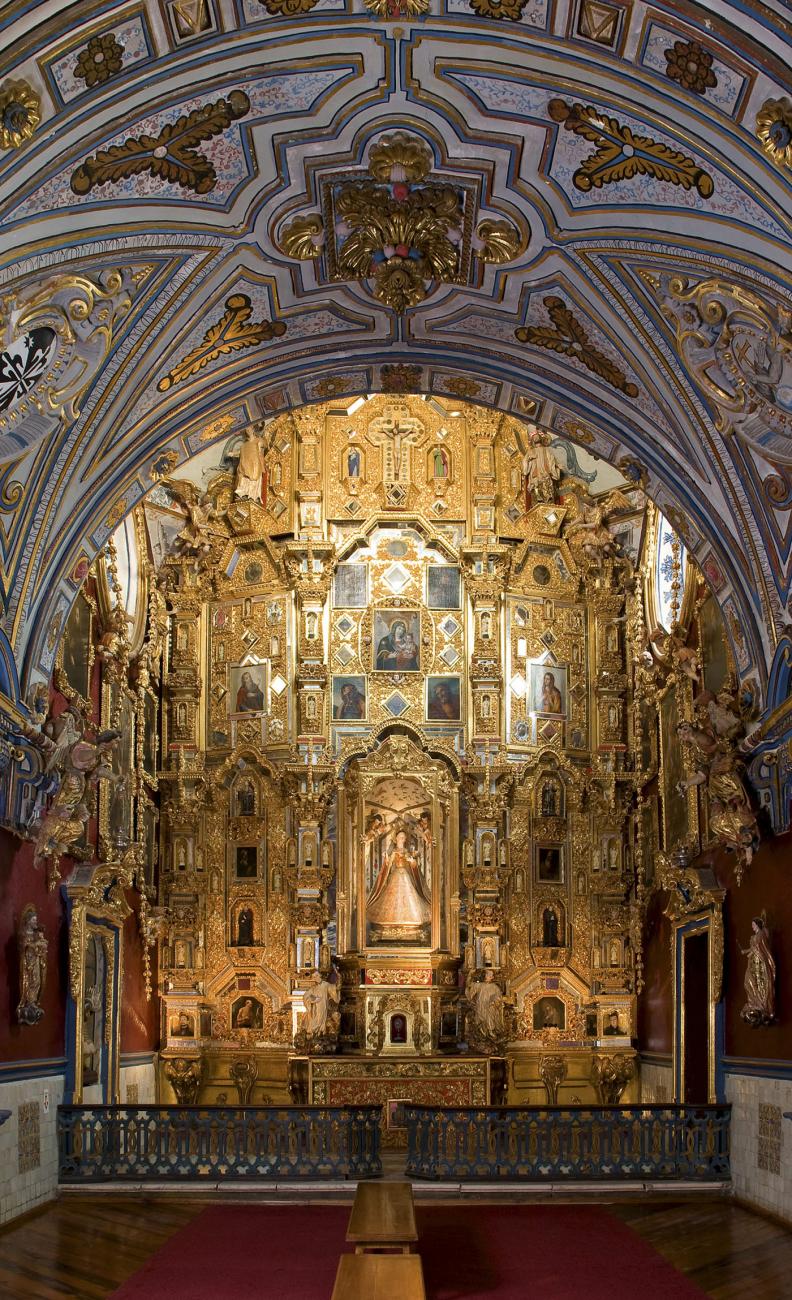

Historical Description
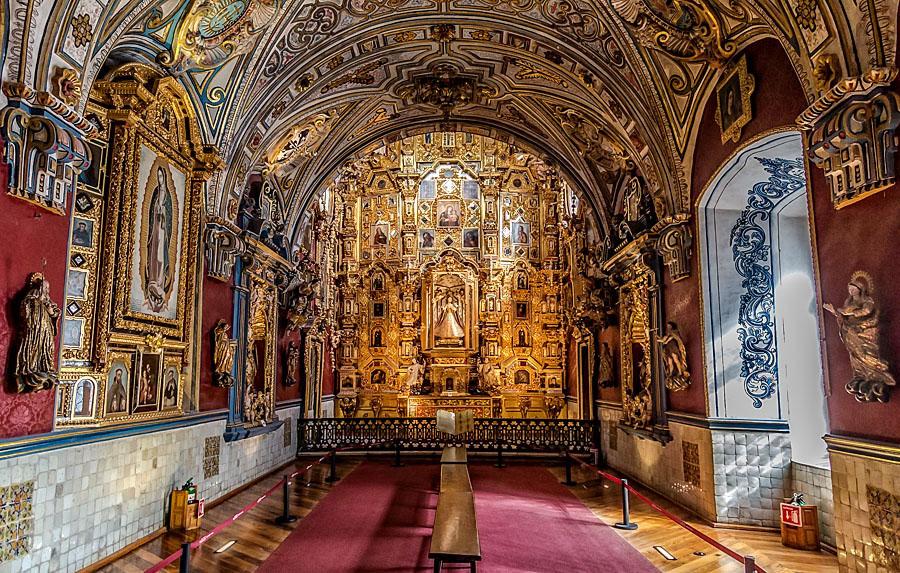
Also known as the Novices’ Chapel, this space was shared by young Jesuit students and priests. Here, novices took part in religious services. The presbytery is adorned with paintings depicting saints whose lives served as moral examples for them.
Aesthetic Description
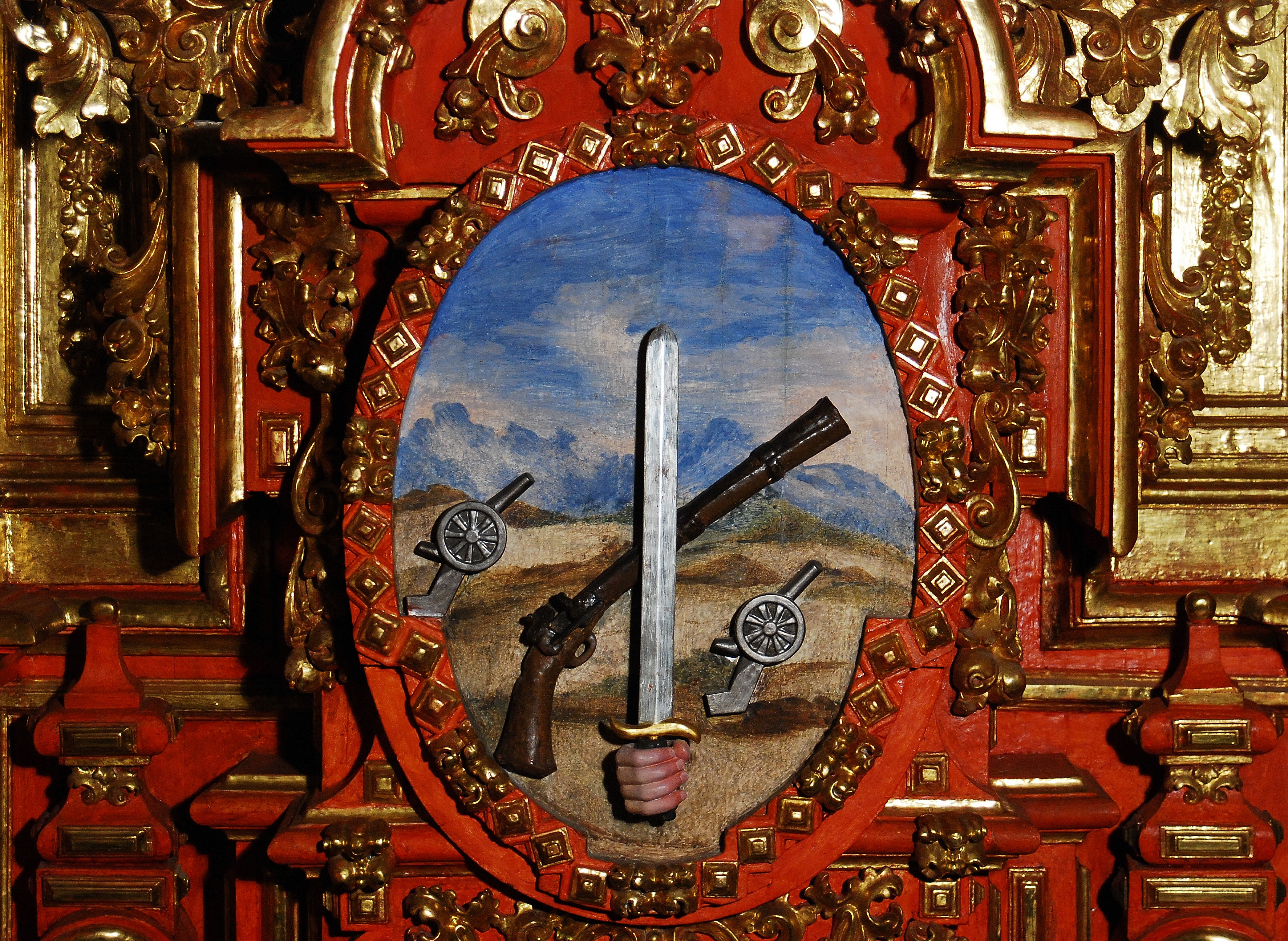
Built in the early 17th century, the chapel has a single nave with a vaulted ceiling richly decorated with polychrome stuccowork. Framed by plant and geometric motifs are the coats of arms of the six major religious orders that evangelized New Spain.

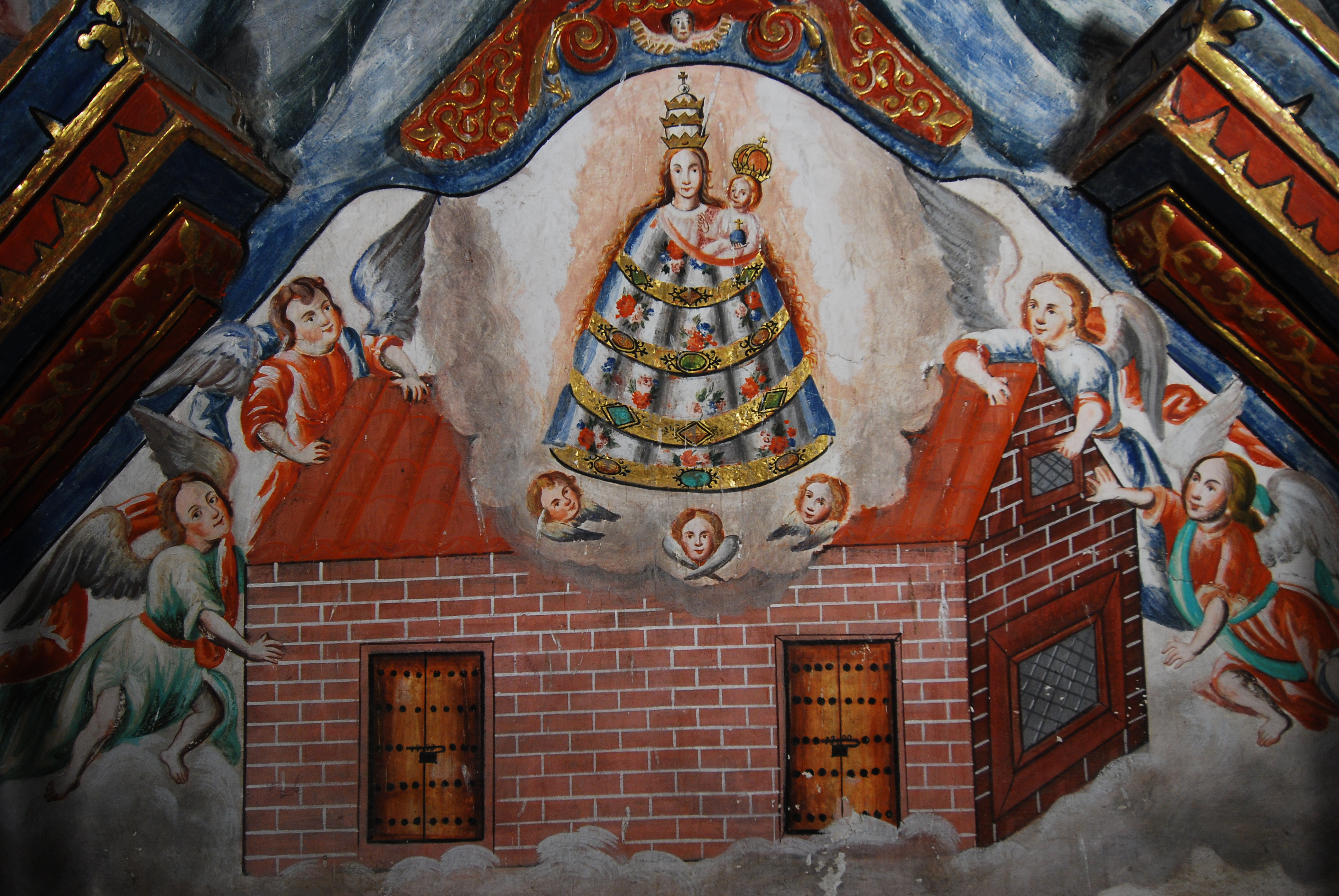
House of Loreto
Historical DescriptionDevotion to the Virgin of Loreto was introduced to New Spain in the 17th century by Father Juan Bautista Zappa. This small chapel is a reproduction of the house where, according to Catholic tradition, the Virgin Mary lived in the city of Ephesus. Legend holds that when the…
House of Loreto
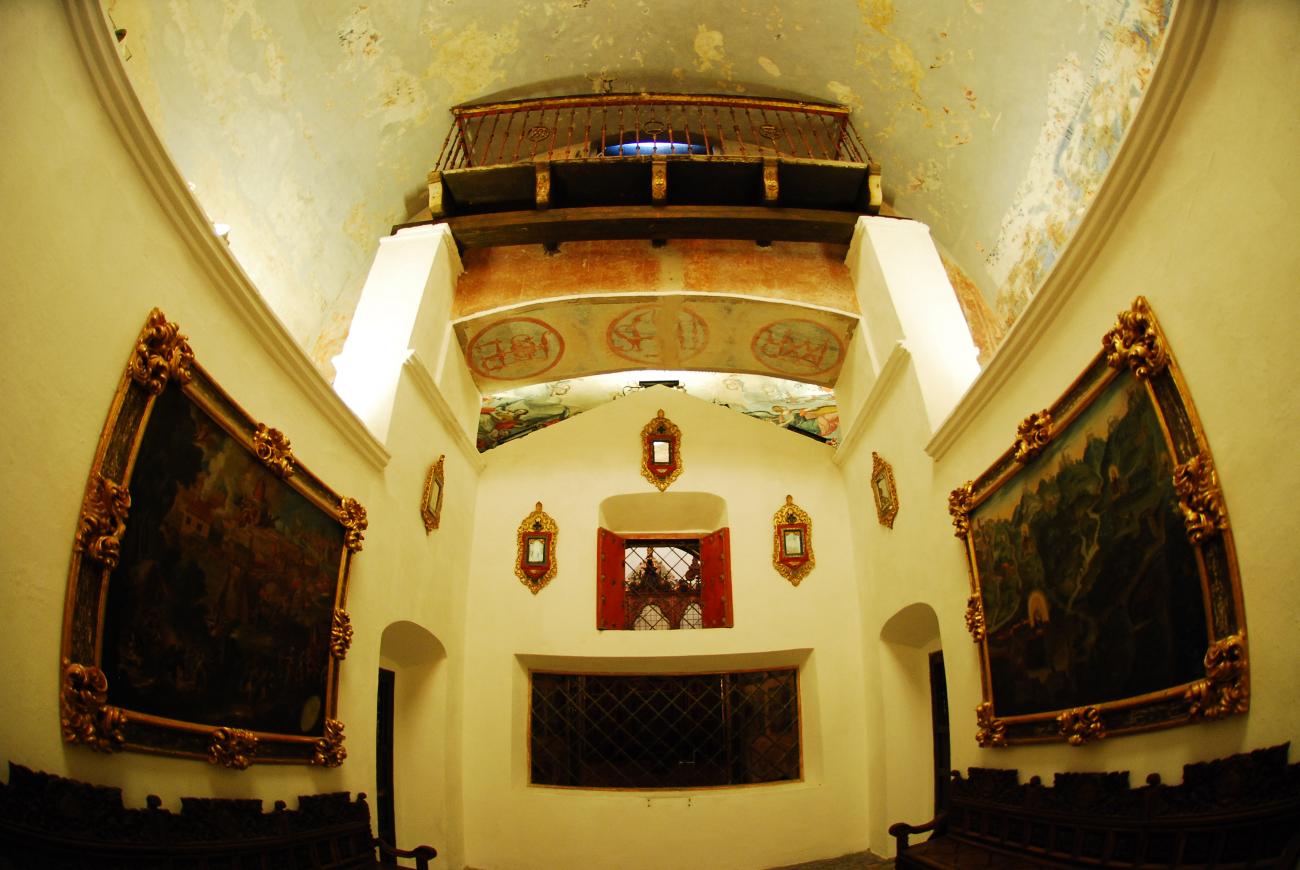


Historical Description
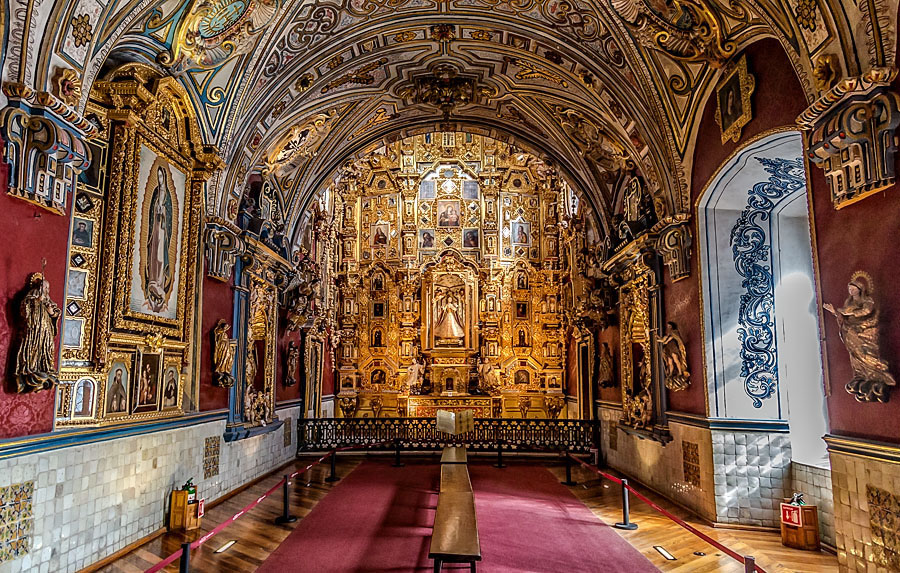
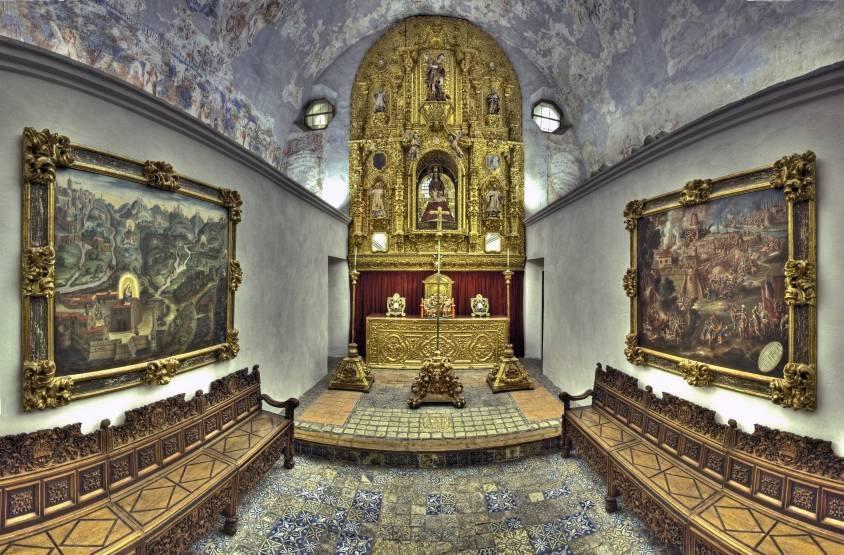
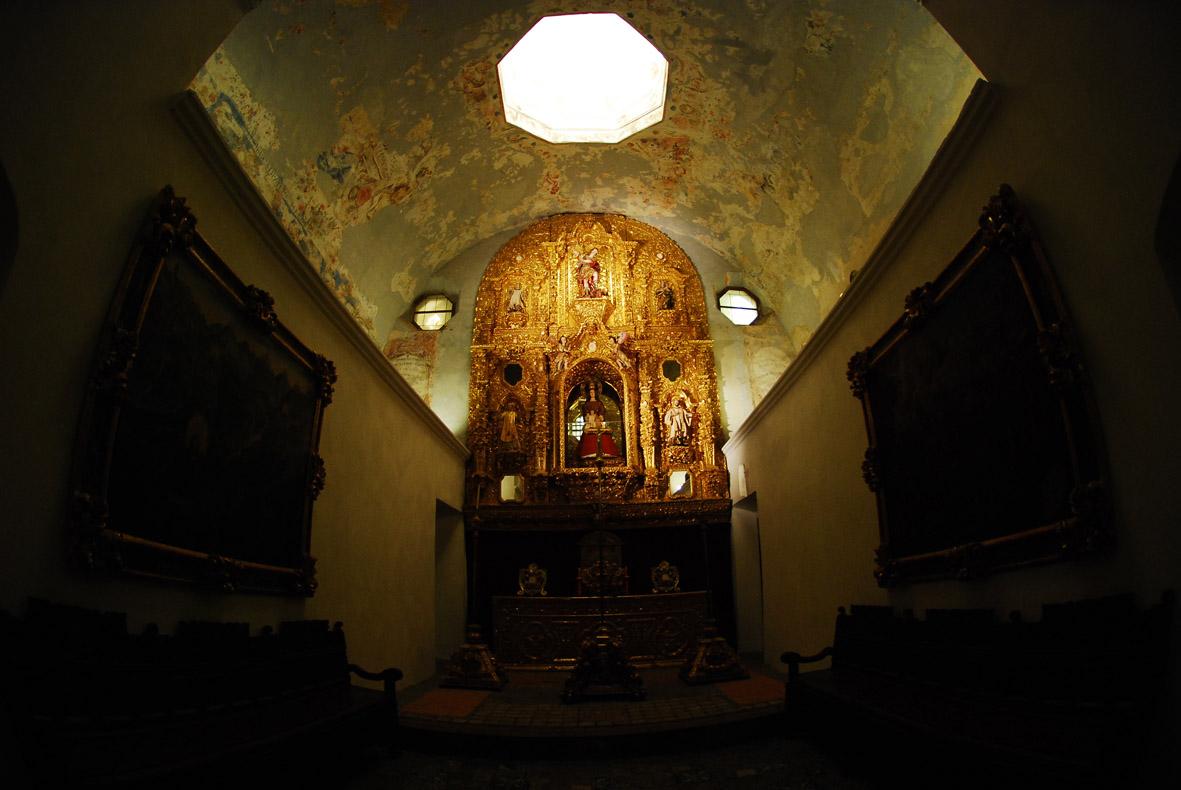
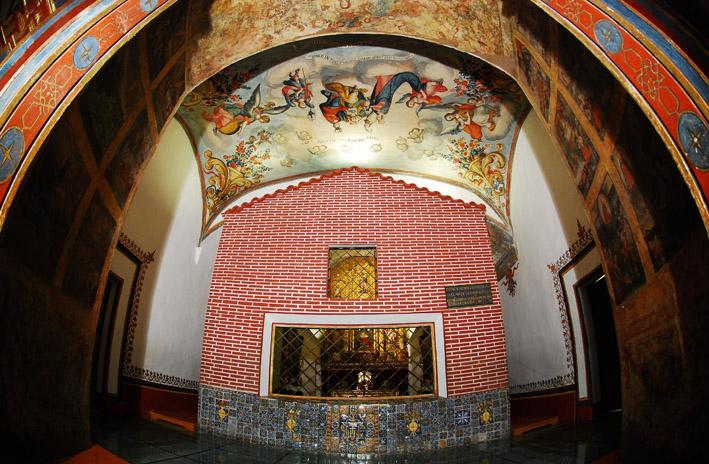
Devotion to the Virgin of Loreto was introduced to New Spain in the 17th century by Father Juan Bautista Zappa. This small chapel is a reproduction of the house where, according to Catholic tradition, the Virgin Mary lived in the city of Ephesus. Legend holds that when the Turks were about to invade the city, angels carried the house to Loreto, Italy.
Aesthetic Description
The altarpiece in the House of Loreto was created in the 18th century. In its central niche stands a sculpture of the Virgin of Loreto, brought from Europe in the 17th century. The oil paintings on canvas displayed on the house’s walls, by unknown artists, depict the miraculous transportation of the Virgin Mary’s house by angels from Ephesus to Loreto.
Upper Cloister of the Orange Trees
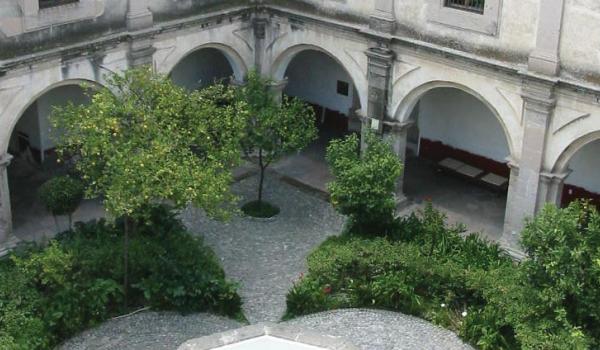
This area was designated for the study and lodging of novices. For this reason, the corridors on this floor, built in the 18th century, are enclosed, with windows overlooking the courtyard. This space houses the library and several rooms, which were reportedly used by two or four novices each.…
Upper Cloister of the Orange Trees
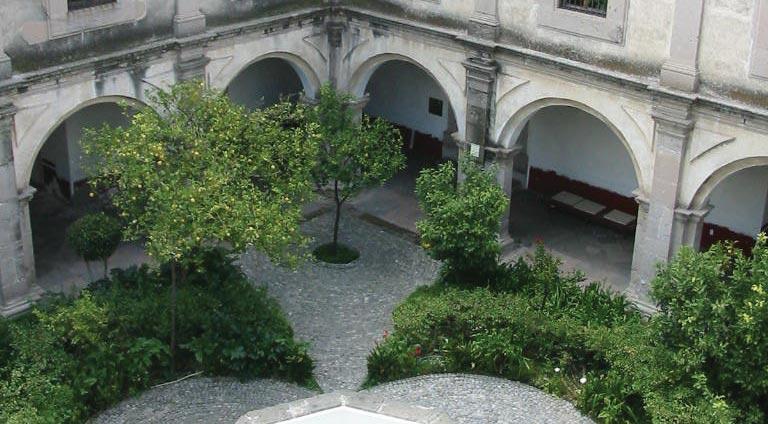

This area was designated for the study and lodging of novices. For this reason, the corridors on this floor, built in the 18th century, are enclosed, with windows overlooking the courtyard. This space houses the library and several rooms, which were reportedly used by two or four novices each.
Permanent exhibitions in this area include:
- "Pedro Reales" Library
- Father Carrasco’s Room
- Late Colonial Mexico (final rooms)
- Ivories
- Porcelains
- Marquetry
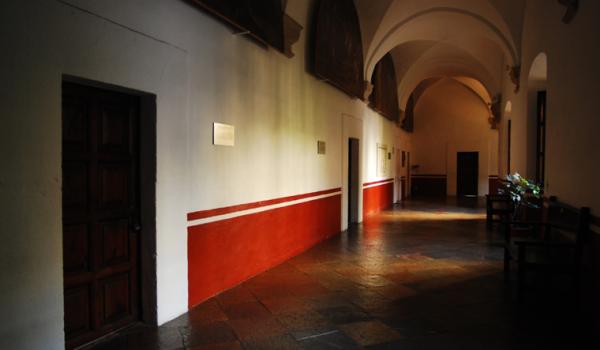
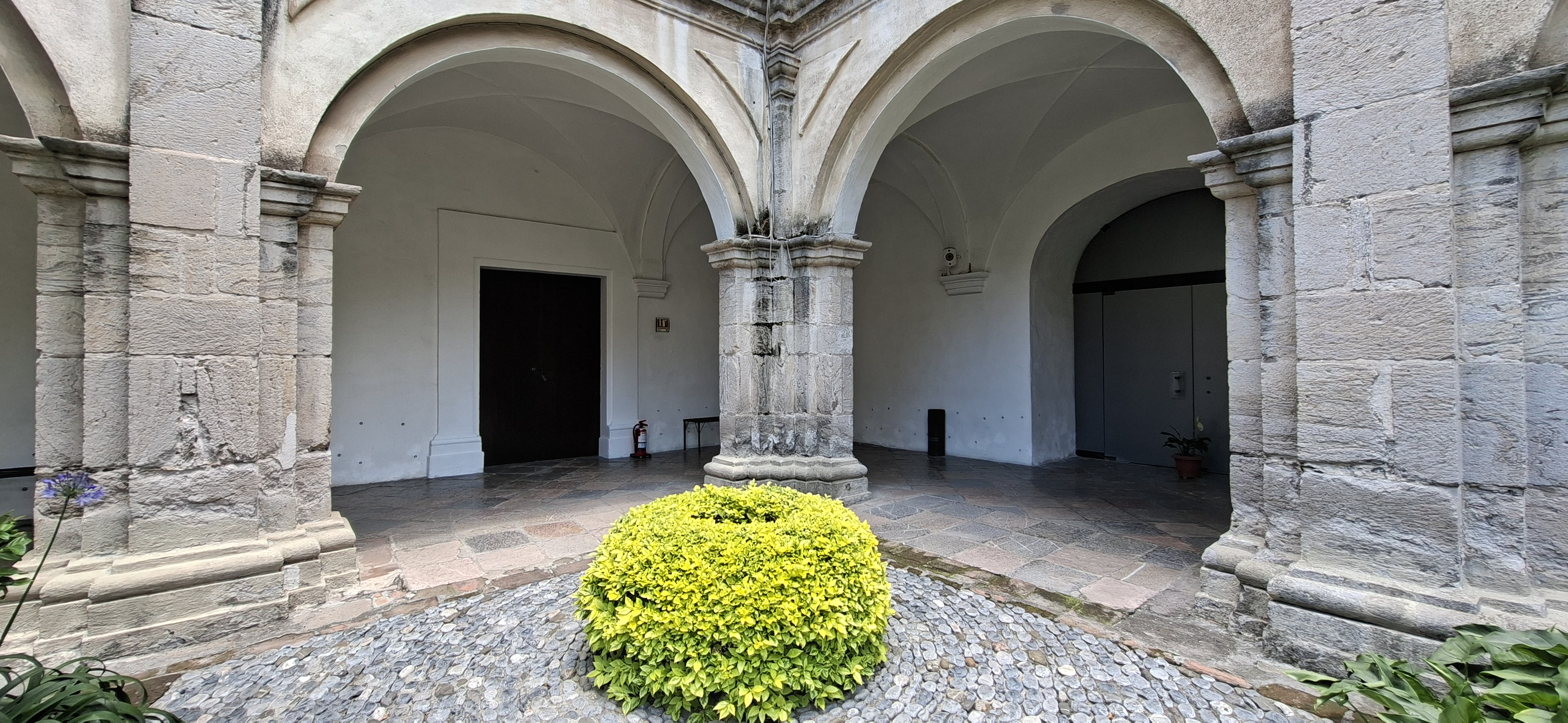
Lower Cloister of the Cisterns
This space was assigned to the school for Indigenous children and also housed the pharmacy or infirmary. The walls of the corridors feature two series of paintings depicting the lives of two Jesuit saints: Saint Ignatius of Loyola, founder of the Society of Jesus, and Saint Stanislaus Kostka.…
Lower Cloister of the Cisterns
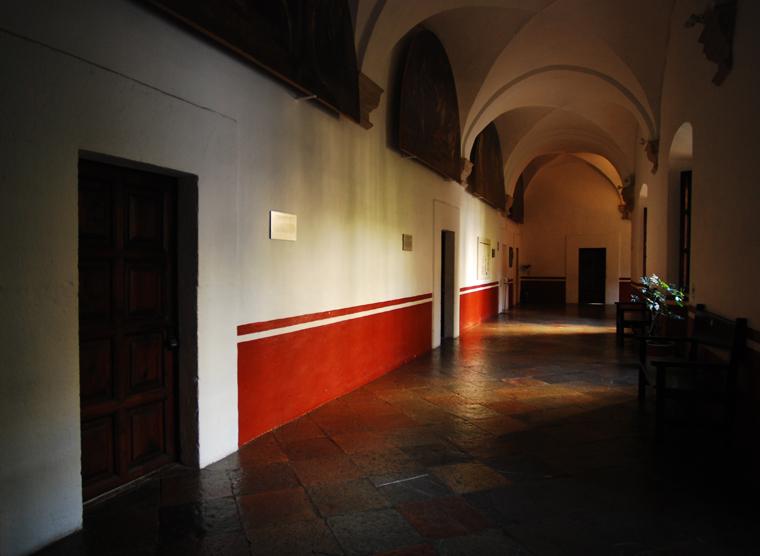
This space was assigned to the school for Indigenous children and also housed the pharmacy or infirmary. The walls of the corridors feature two series of paintings depicting the lives of two Jesuit saints: Saint Ignatius of Loyola, founder of the Society of Jesus, and Saint Stanislaus Kostka.
Permanent exhibitions in this area include:
- Colonial Mexico
- Theme of the Month
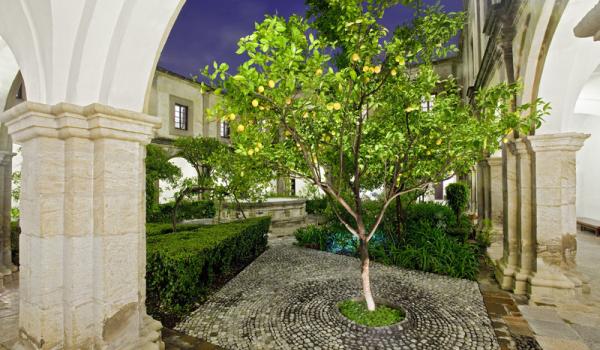
Cloister of the Orange Trees
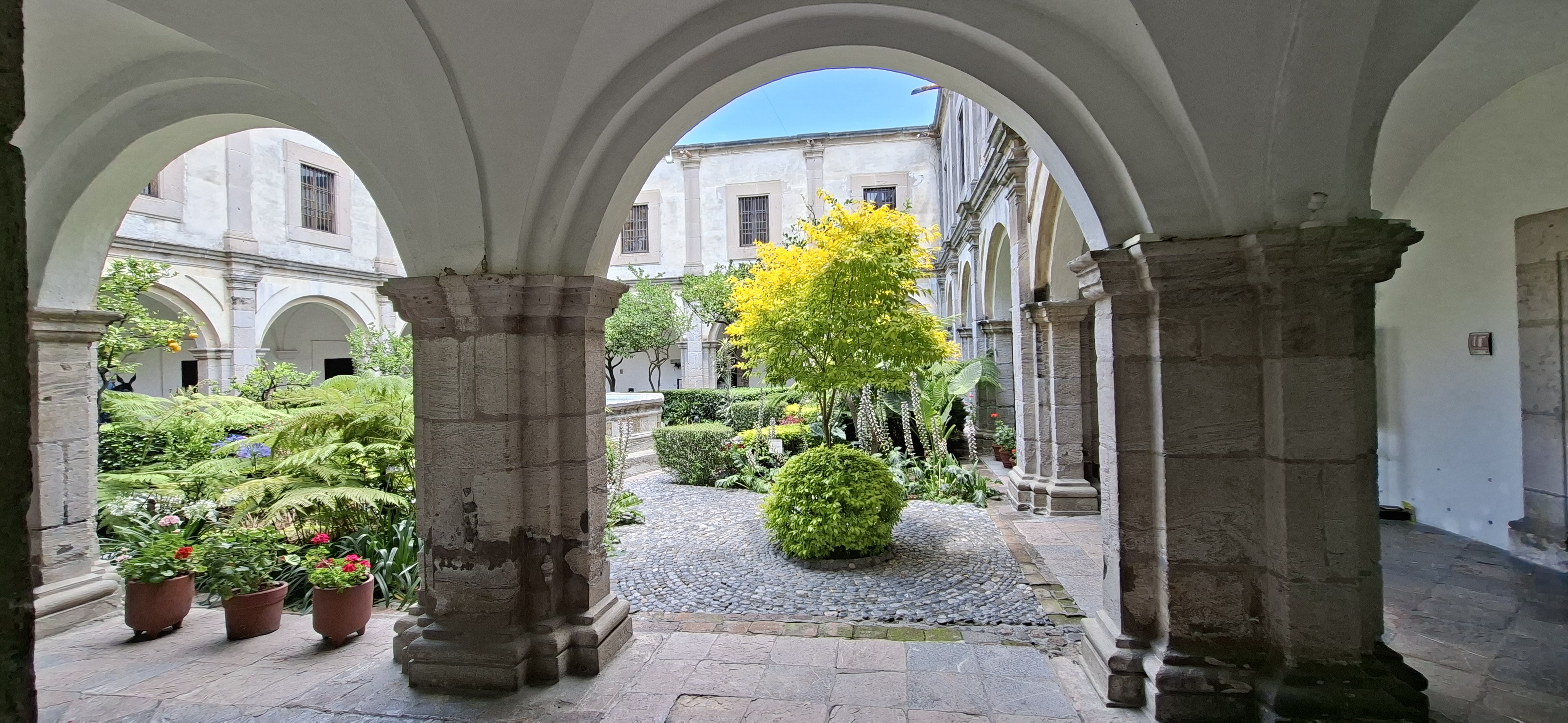
In the 18th century, this space was intended for the recreation and rest of the novices. In the early 20th century, it is known that a billiard table and a bowling alley were set up here, along with a tailor’s workshop where garments for the priests, novices, and servants were made throughout the…
Cloister of the Orange Trees
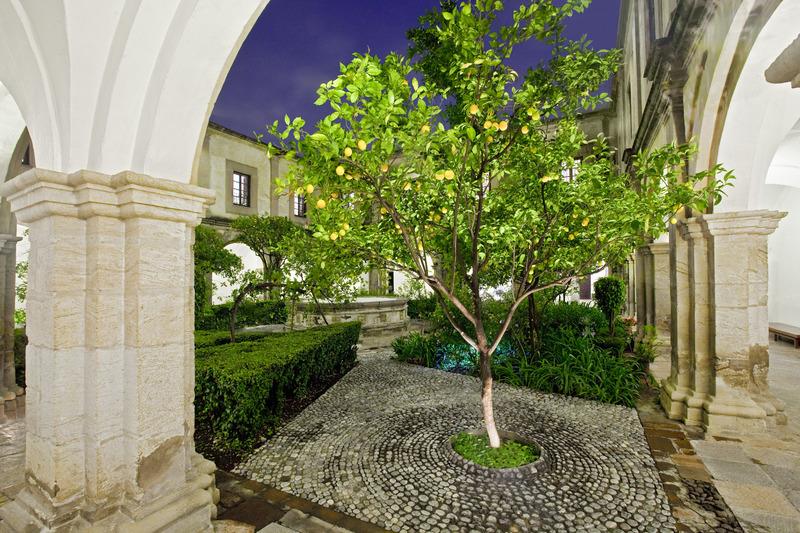

In the 18th century, this space was intended for the recreation and rest of the novices. In the early 20th century, it is known that a billiard table and a bowling alley were set up here, along with a tailor’s workshop where garments for the priests, novices, and servants were made throughout the year. Today, the area is used for temporary exhibitions.
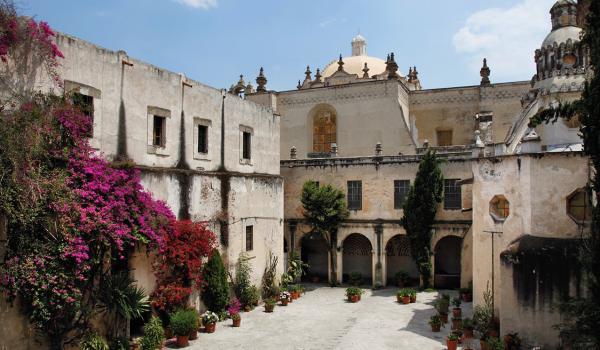
Guesthouse and Stables
Adjacent to the Cloister of the Cisterns is the guesthouse courtyard with its stables. Due to strict cloister regulations, visitors were required to stay in rooms located outside the restricted area. This courtyard also served as a work yard and included the stables and an entrance connected to the…
Guesthouse and Stables
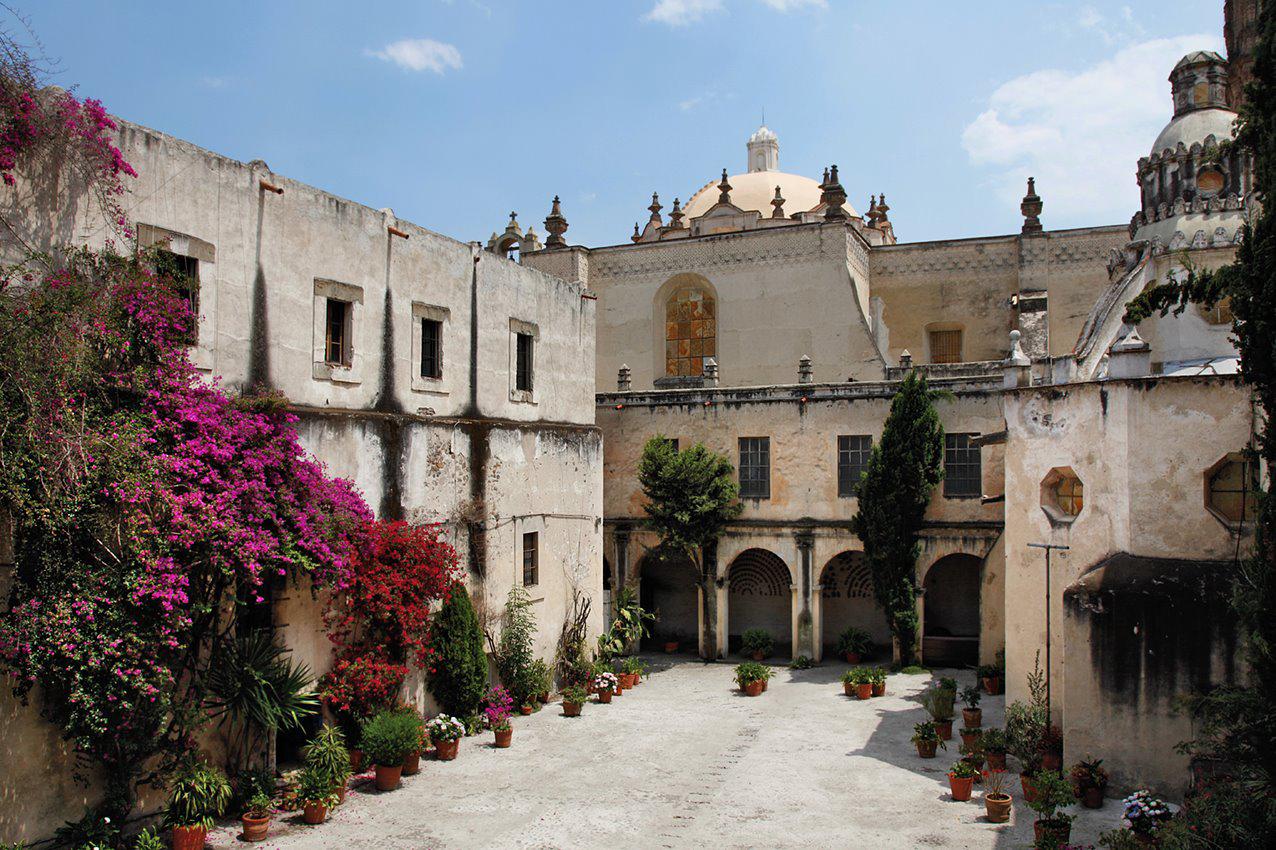
Adjacent to the Cloister of the Cisterns is the guesthouse courtyard with its stables. Due to strict cloister regulations, visitors were required to stay in rooms located outside the restricted area. This courtyard also served as a work yard and included the stables and an entrance connected to the fields.
Today, this space functions as the convent’s restaurant or inn.
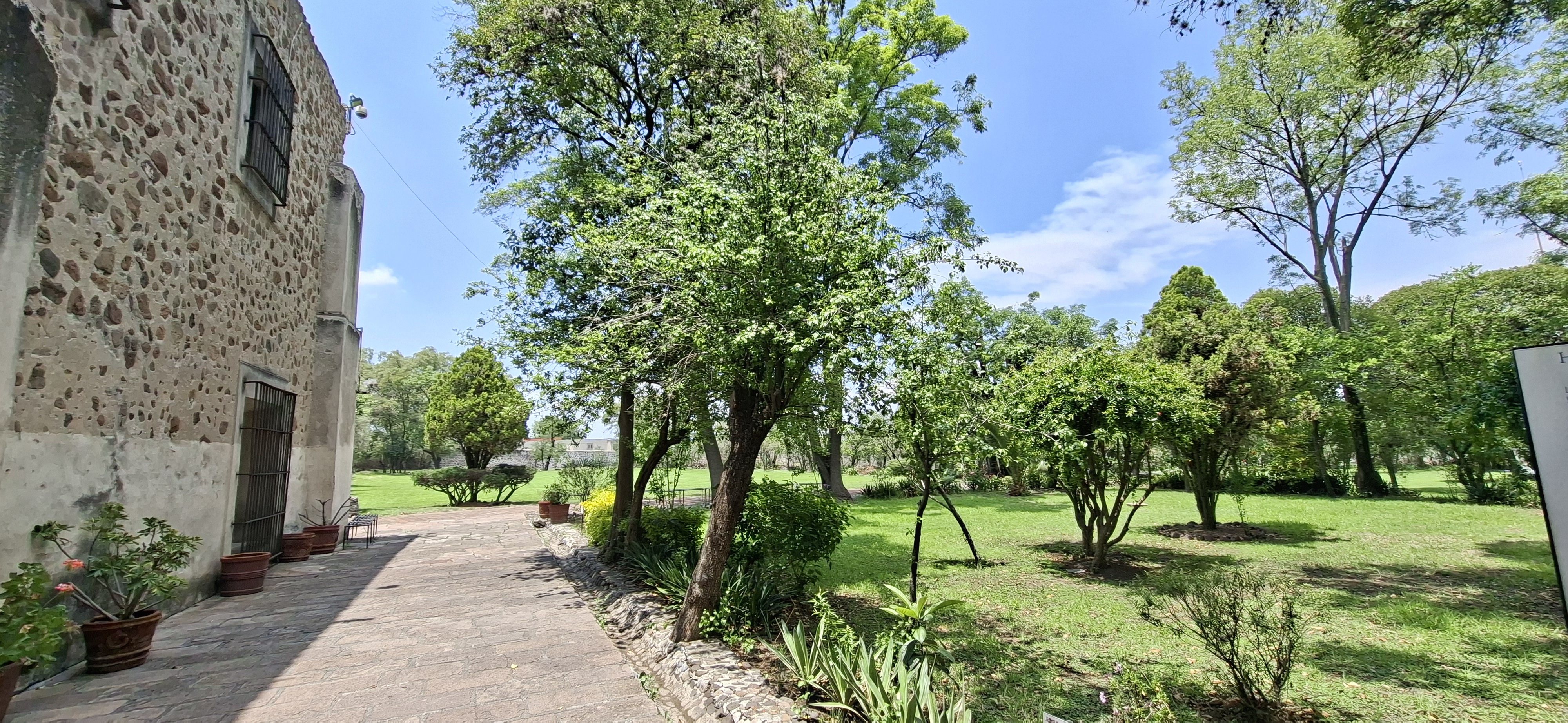
Orchard
To the east of the Cloister of the Orange Trees lies the exit to the old orchard, which spans three hectares. Fruit trees were cultivated here for the college’s own consumption. At the far end of the orchard stands a small octagonal chapel built in the 18th century, dedicated to Our Lady of the…
Orchard
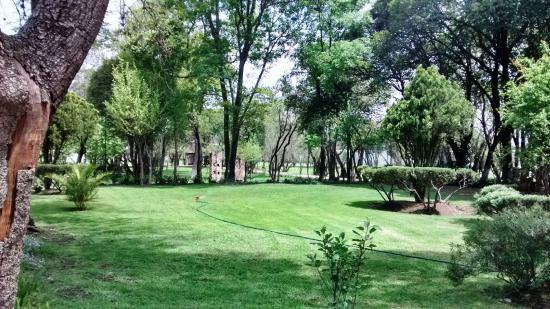
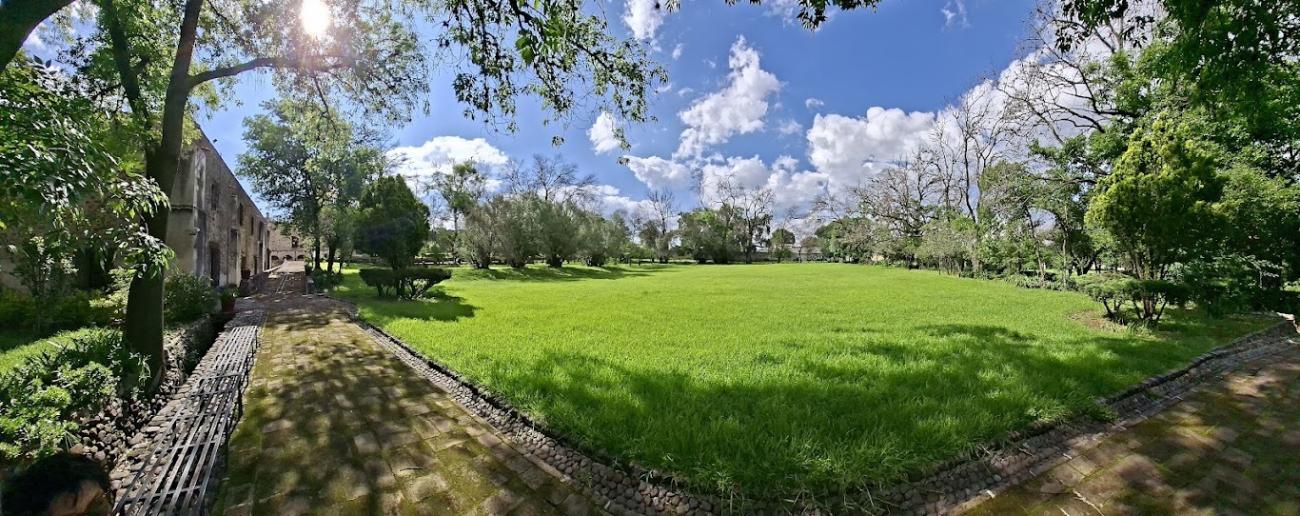
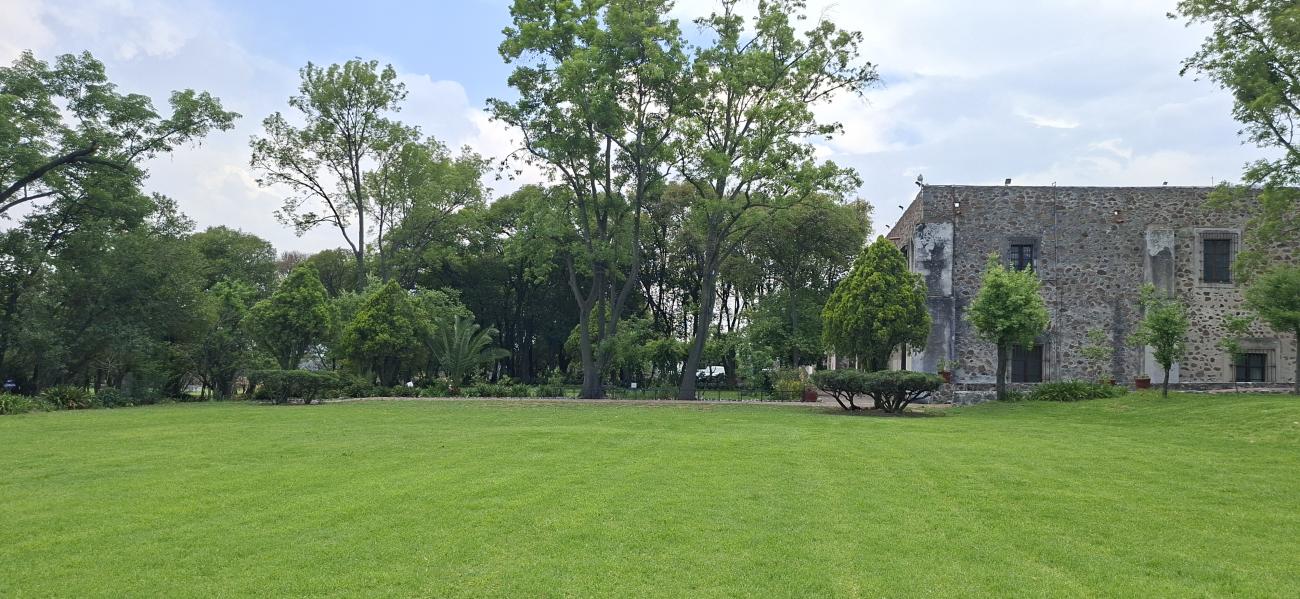
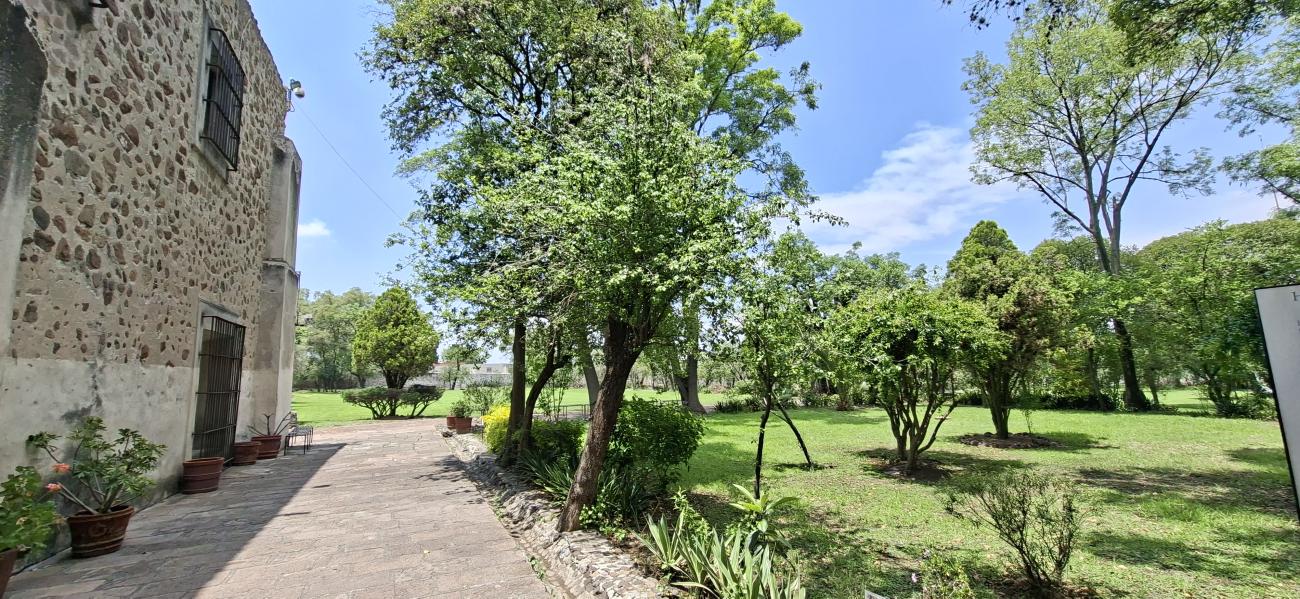
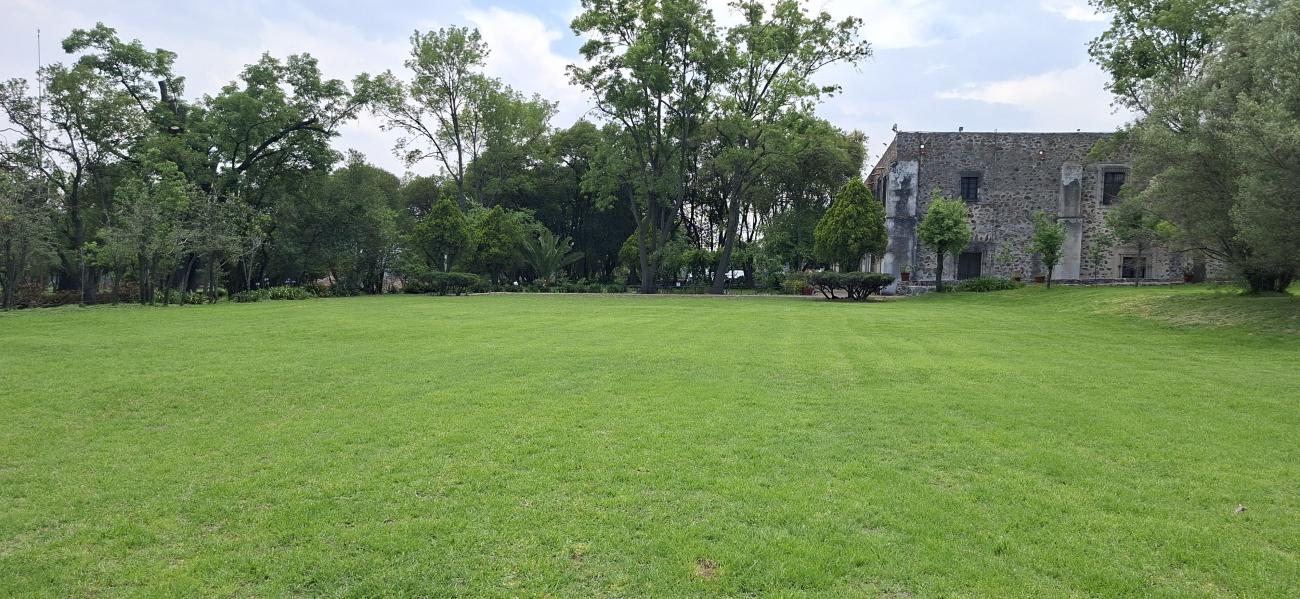
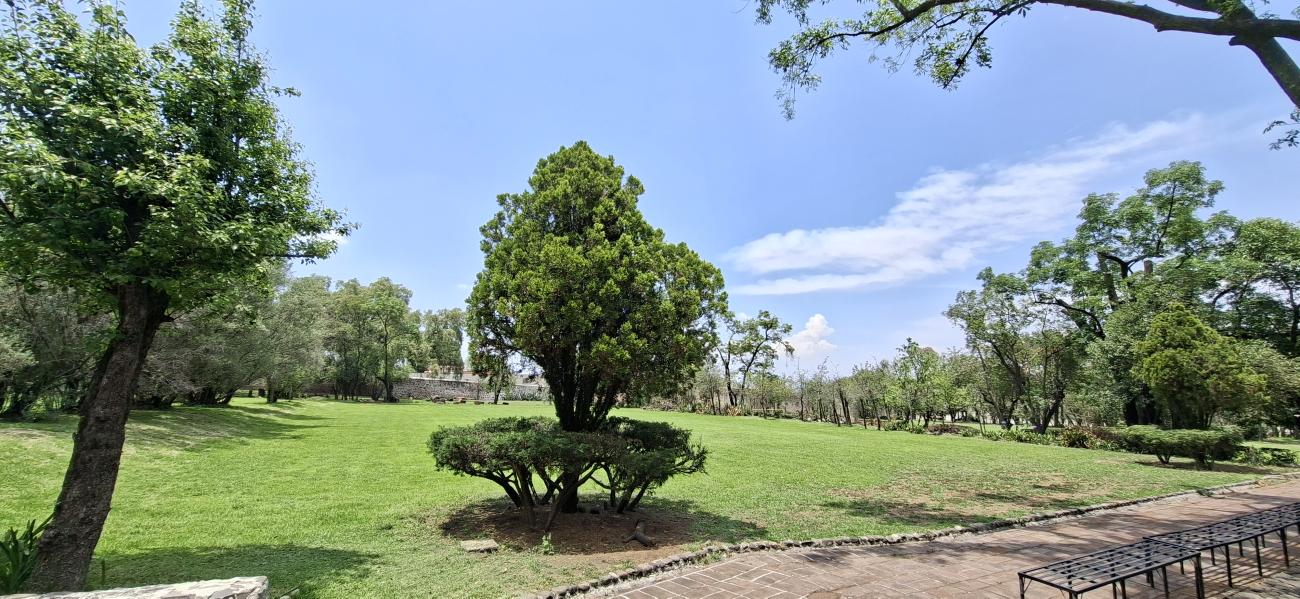


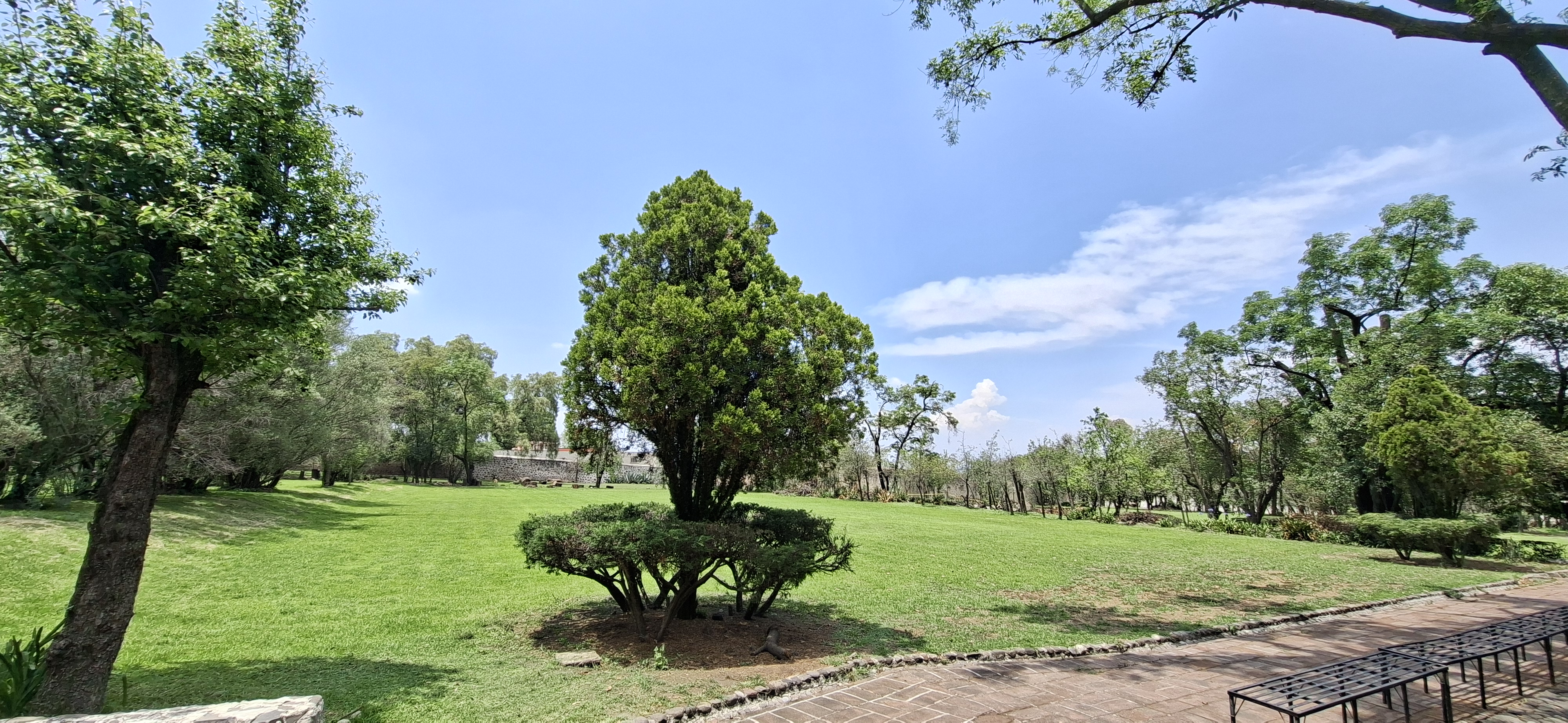
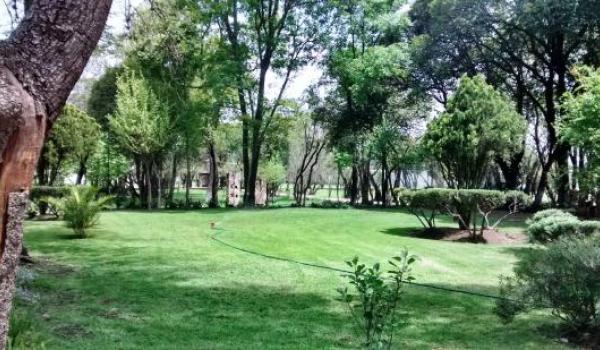
To the east of the Cloister of the Orange Trees lies the exit to the old orchard, which spans three hectares. Fruit trees were cultivated here for the college’s own consumption. At the far end of the orchard stands a small octagonal chapel built in the 18th century, dedicated to Our Lady of the Snows.
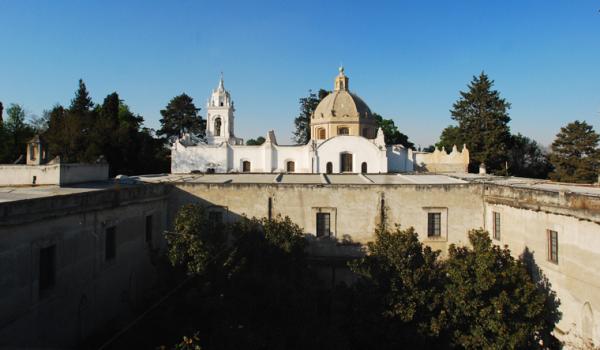
Cisterns Courtyard
This courtyard is named for the two large underground cisterns located at its center. Even today, water is directed through small rooftop sluices into channels along the walls, which carry the water into the cisterns. The stored water was used throughout the year for laundry and cleaning purposes.
Cisterns Courtyard
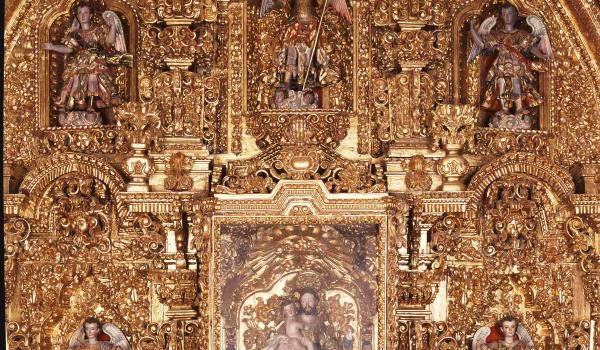
Reliquary of Saint Joseph
Historical DescriptionThis small chapel, built in the 18th century, is adjacent to the Chapel of the Virgin of Loreto. It was a space intended for meditation on a good death and on the chastity of Saint Joseph, held up as a model for novices. Alongside the House of Loreto, it symbolizes the…
Reliquary of Saint Joseph
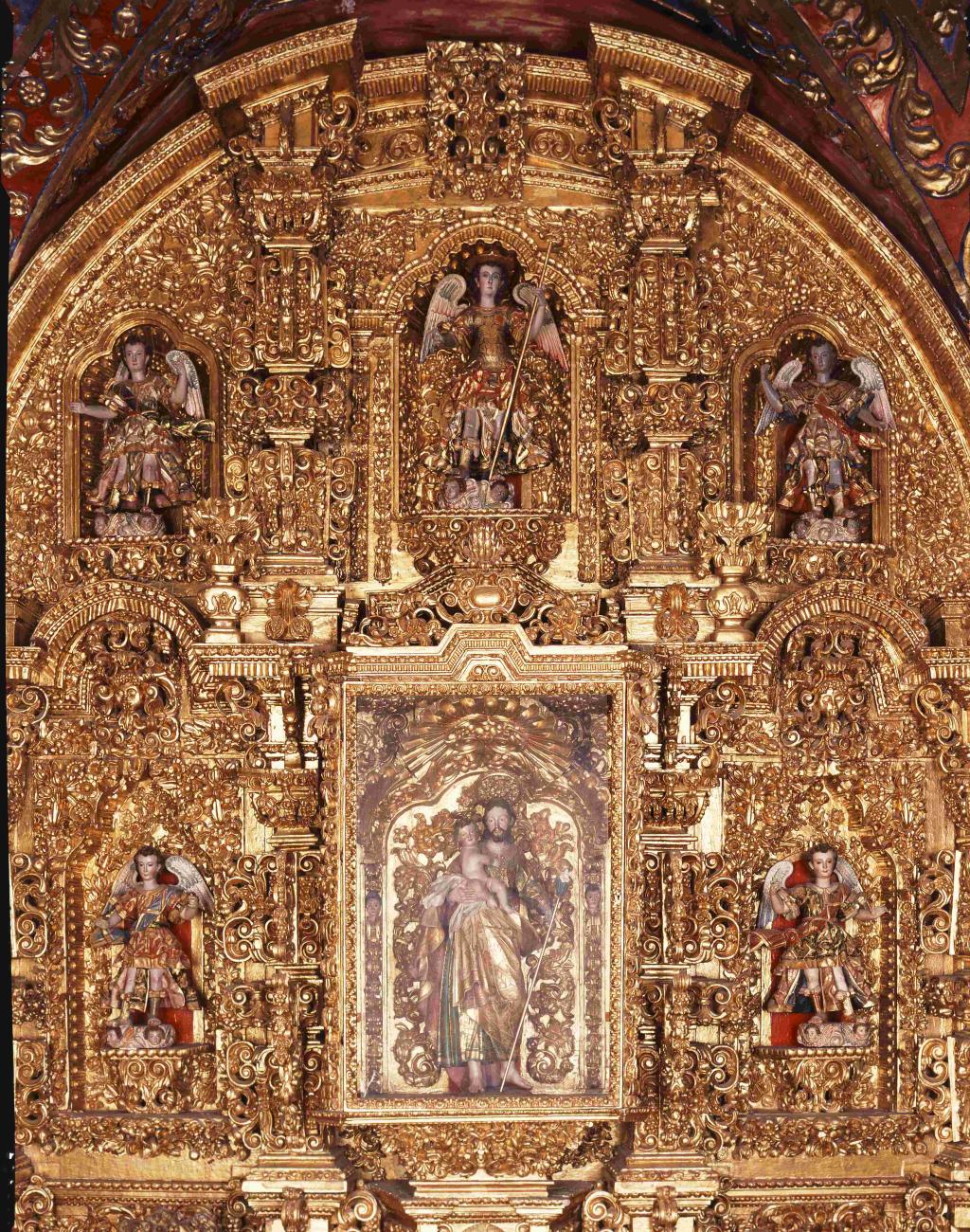
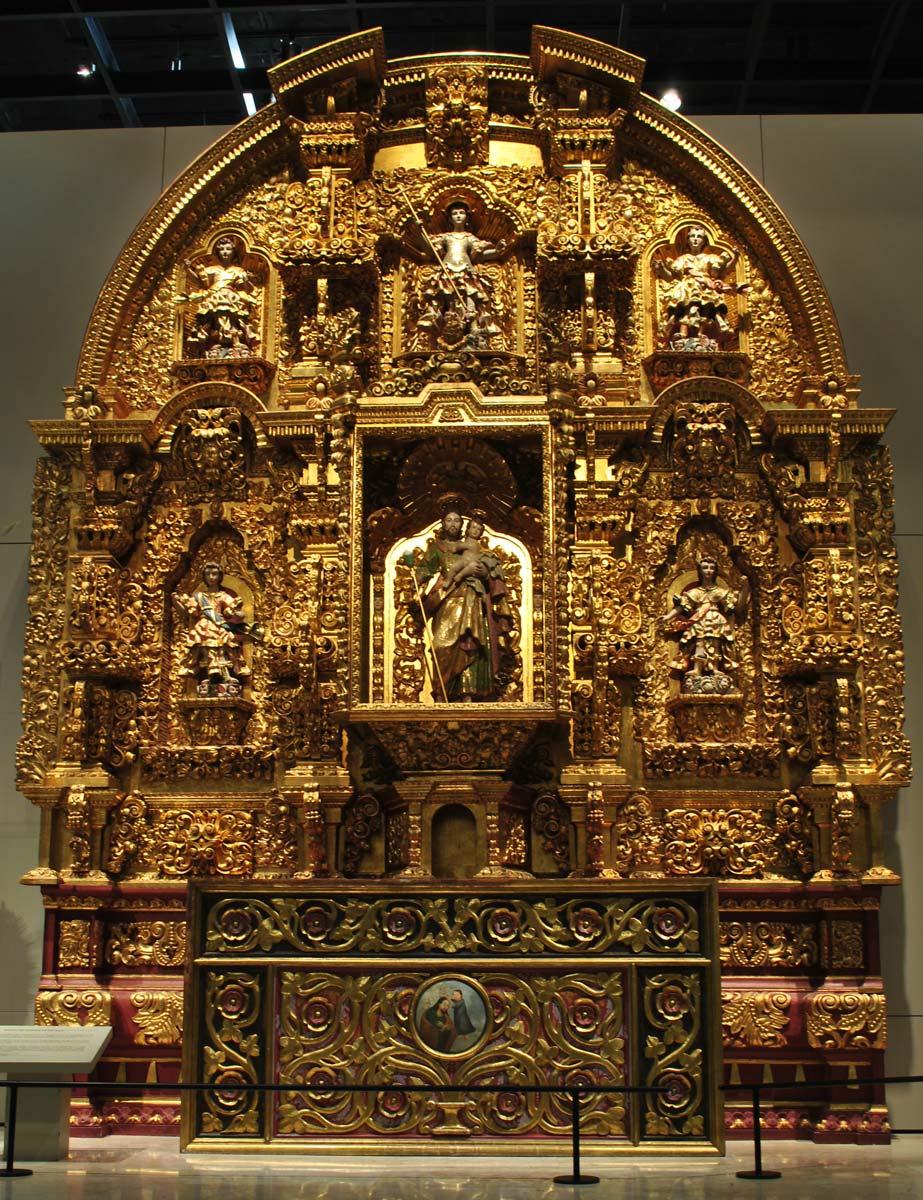
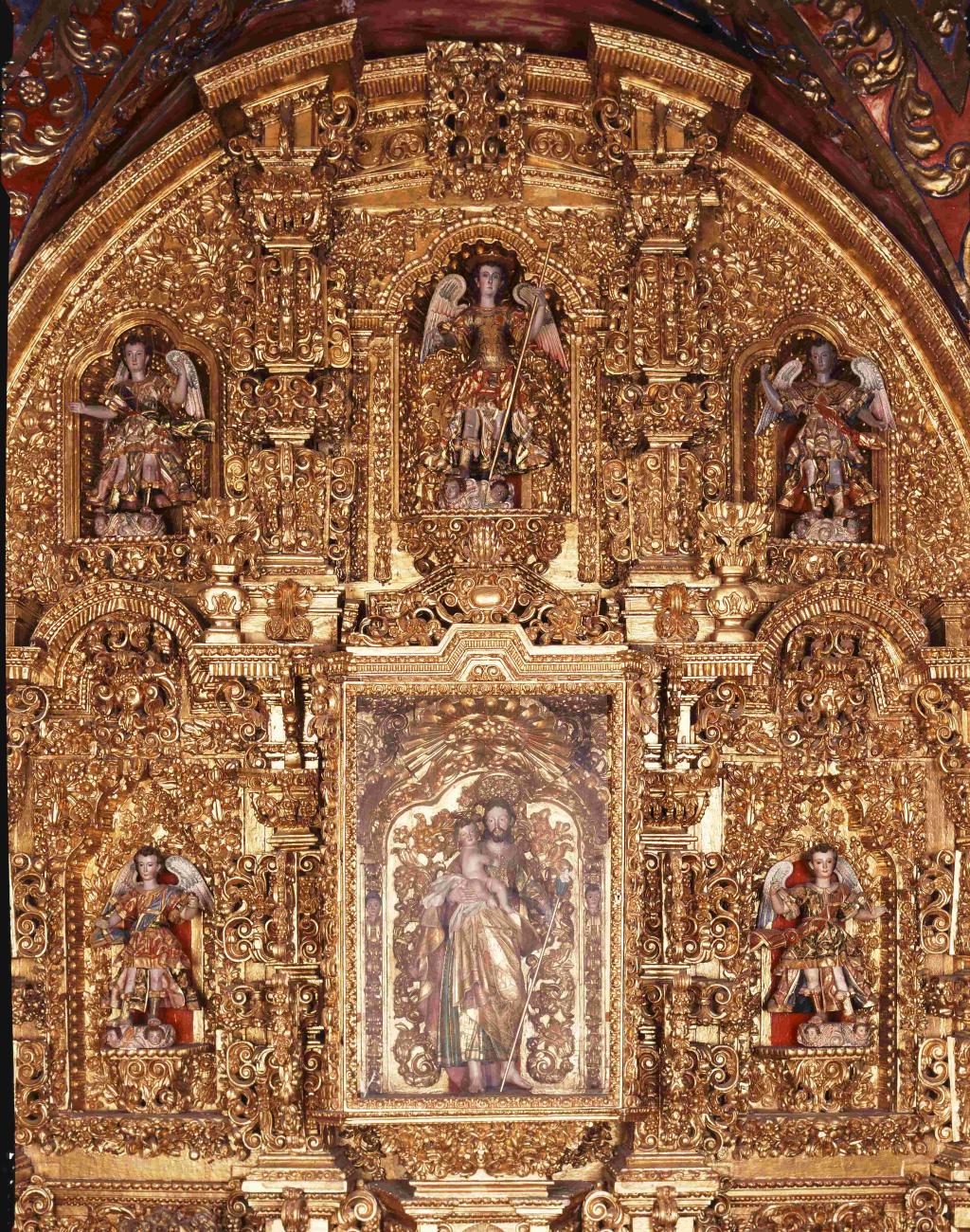


Historical Description
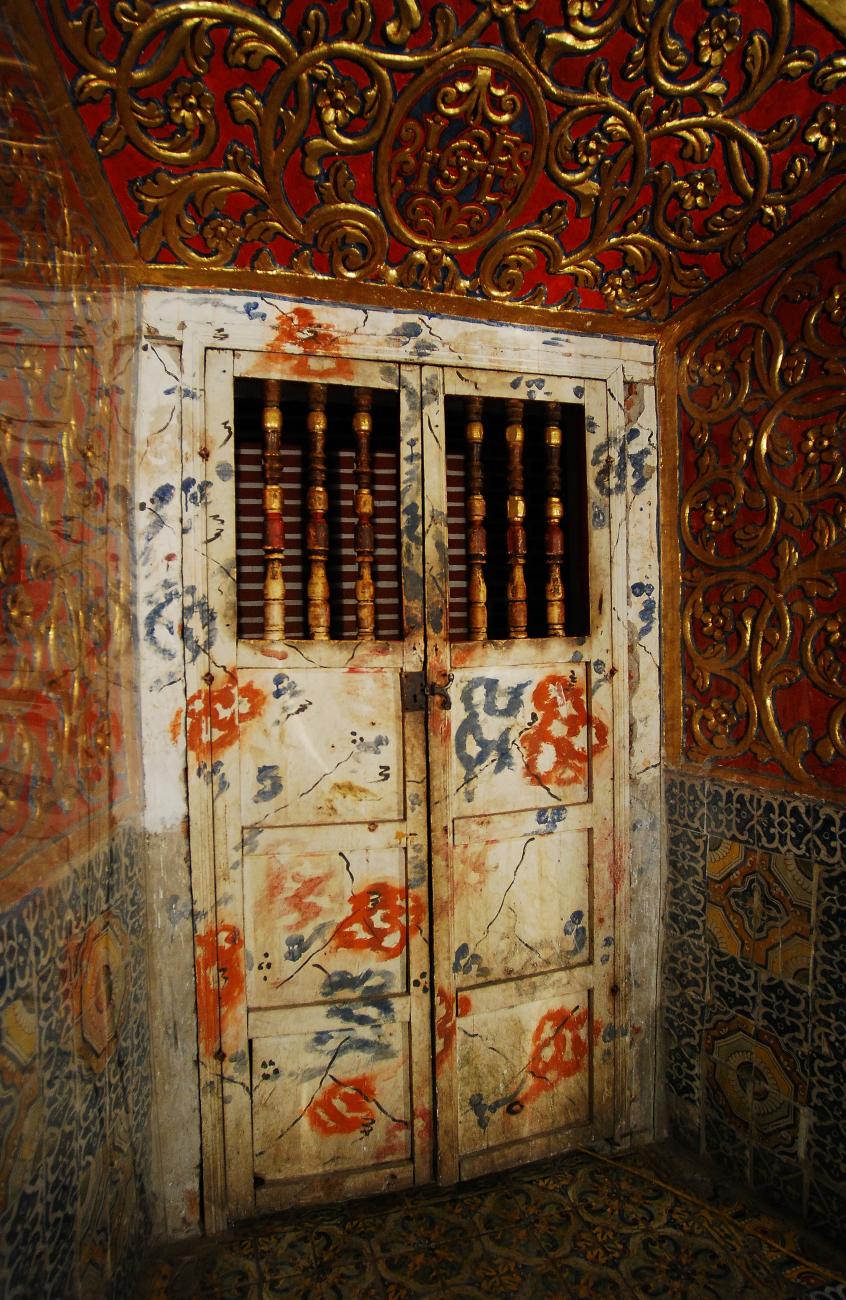
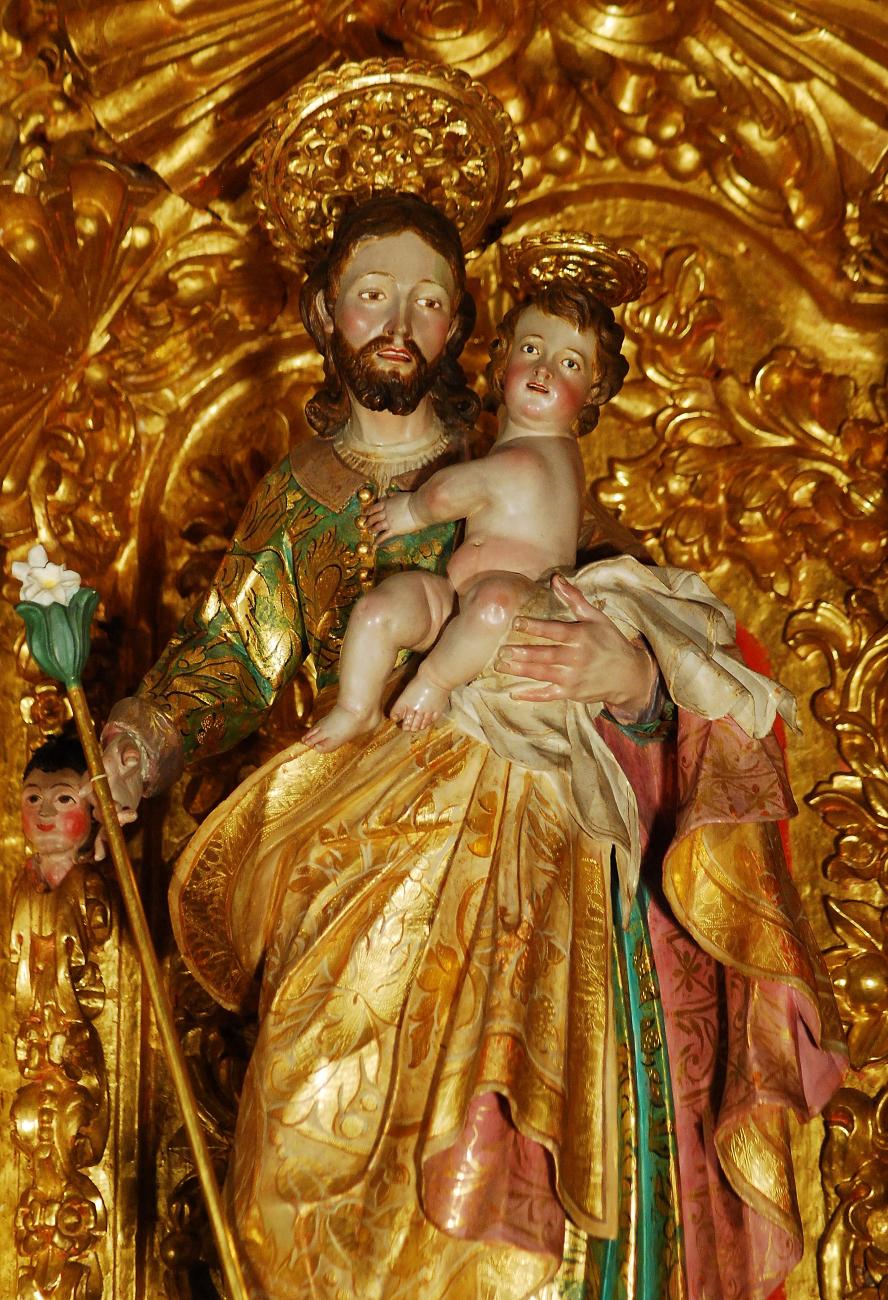
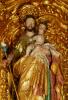
This small chapel, built in the 18th century, is adjacent to the Chapel of the Virgin of Loreto. It was a space intended for meditation on a good death and on the chastity of Saint Joseph, held up as a model for novices. Alongside the House of Loreto, it symbolizes the protection Saint Joseph offered to the Holy Family and to Christians in general.
Artistic Description
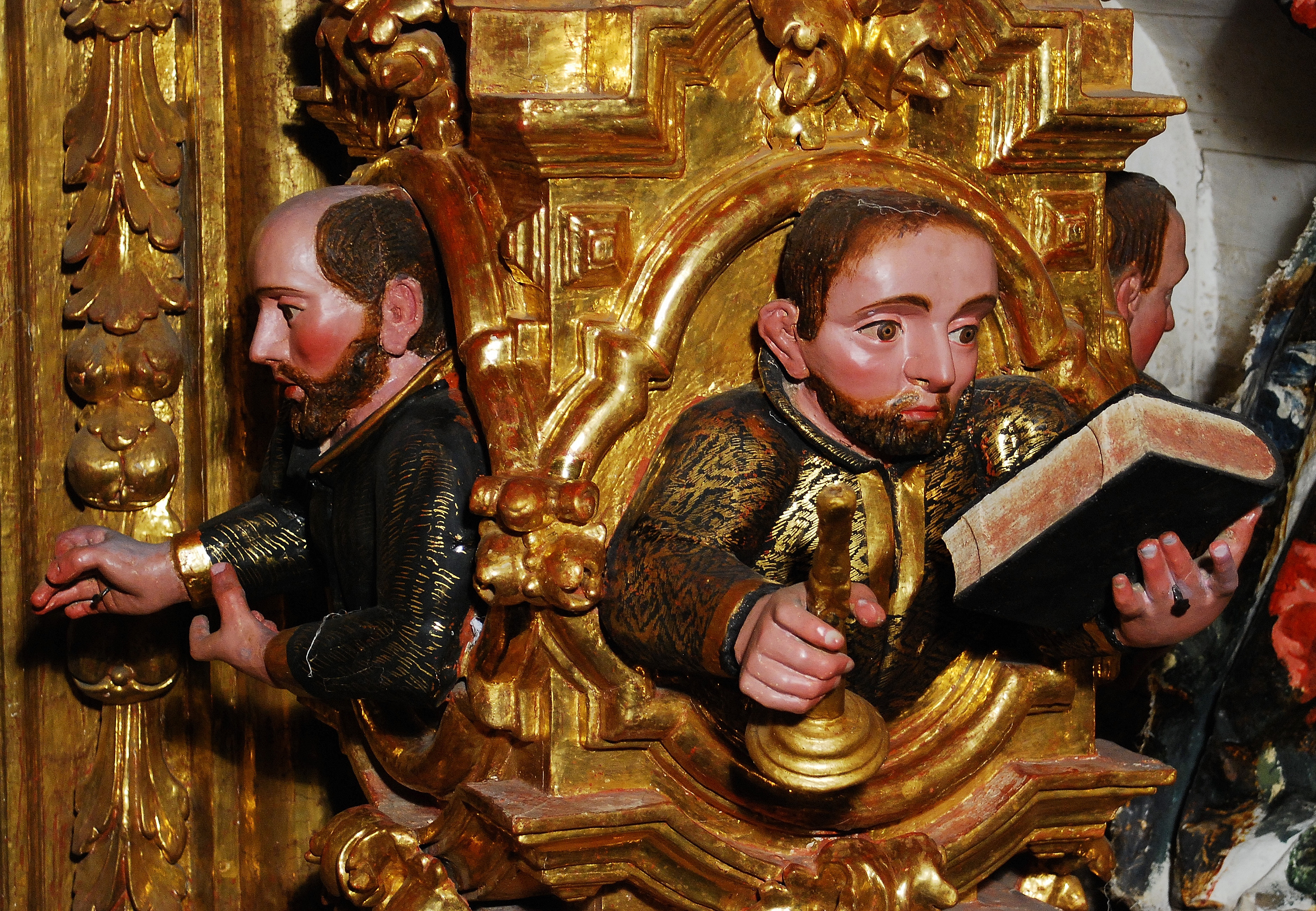
The chapel features a Baroque altarpiece from the 18th century. Its central niche holds a finely crafted wooden sculpture of Saint Joseph, polychromed and gilded. Particularly striking are the polychrome stucco reliefs in which fully Indigenous features can be identified—such as figures wearing shawls and pearl necklaces supporting the frames of the paintings.
Church of Saint Francis Xavier
Historical DescriptionThis church is one of the few surviving Baroque churches in Mexico that can still be appreciated much as it was originally conceived and built. The Church of Saint Francis Xavier served the Jesuit novitiate college of Tepotzotlán. Its architectural structure dates to the 17th…
Church of Saint Francis Xavier
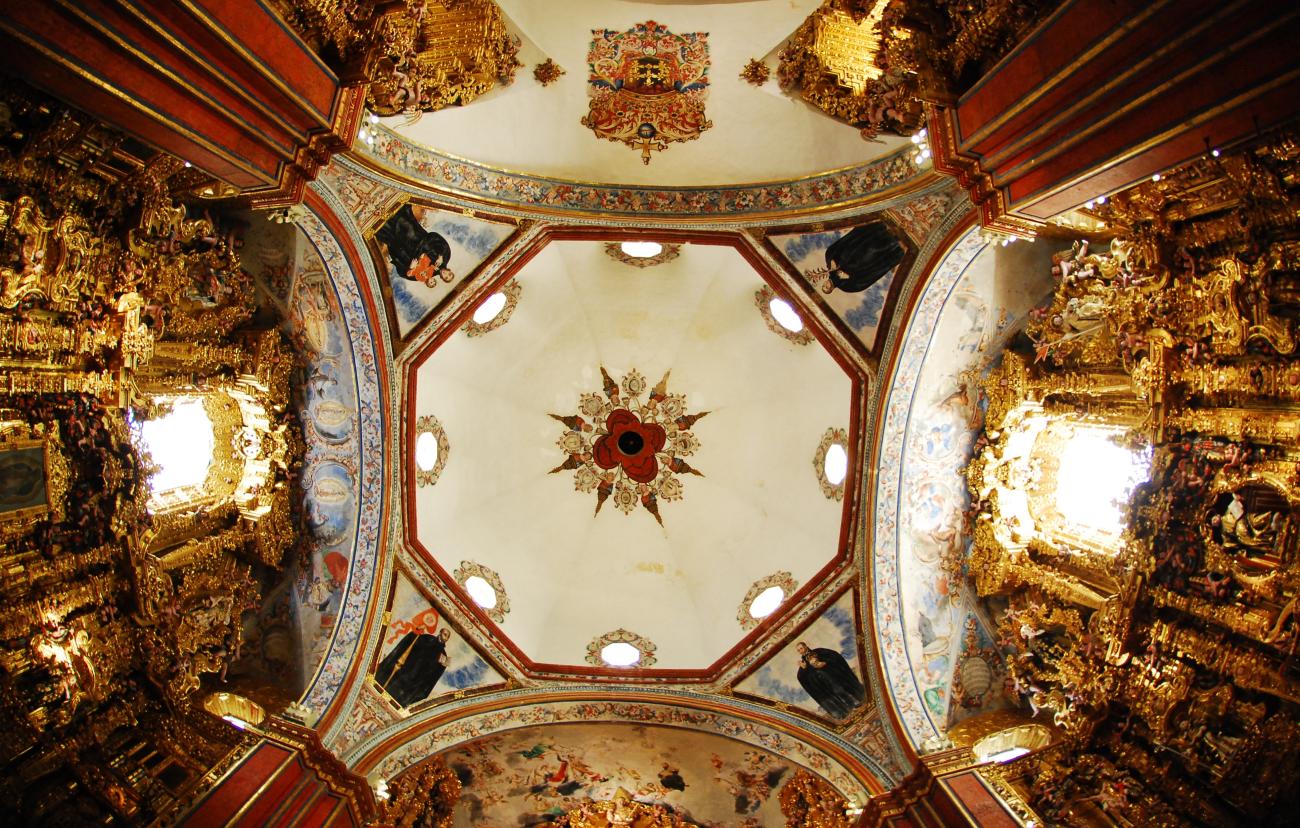
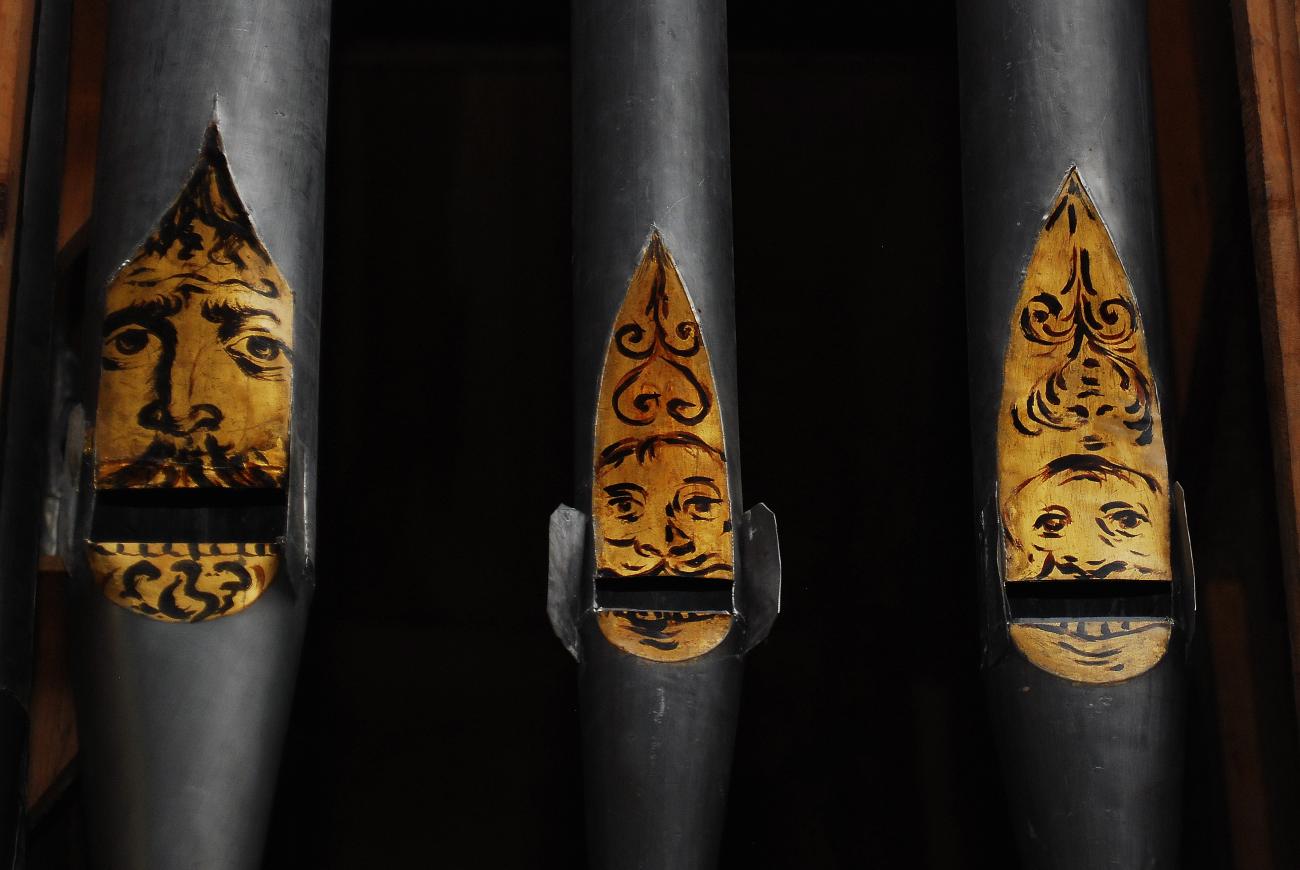
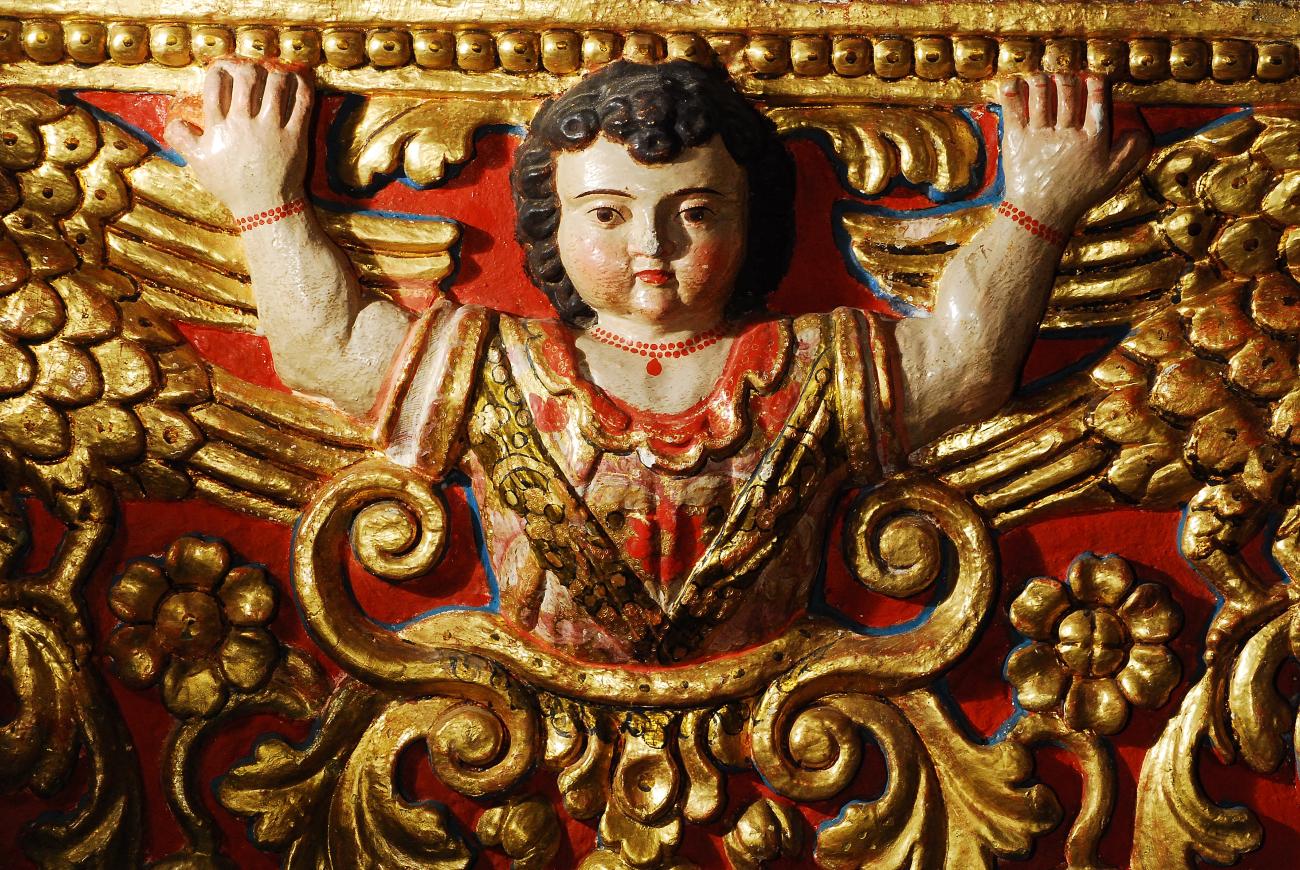
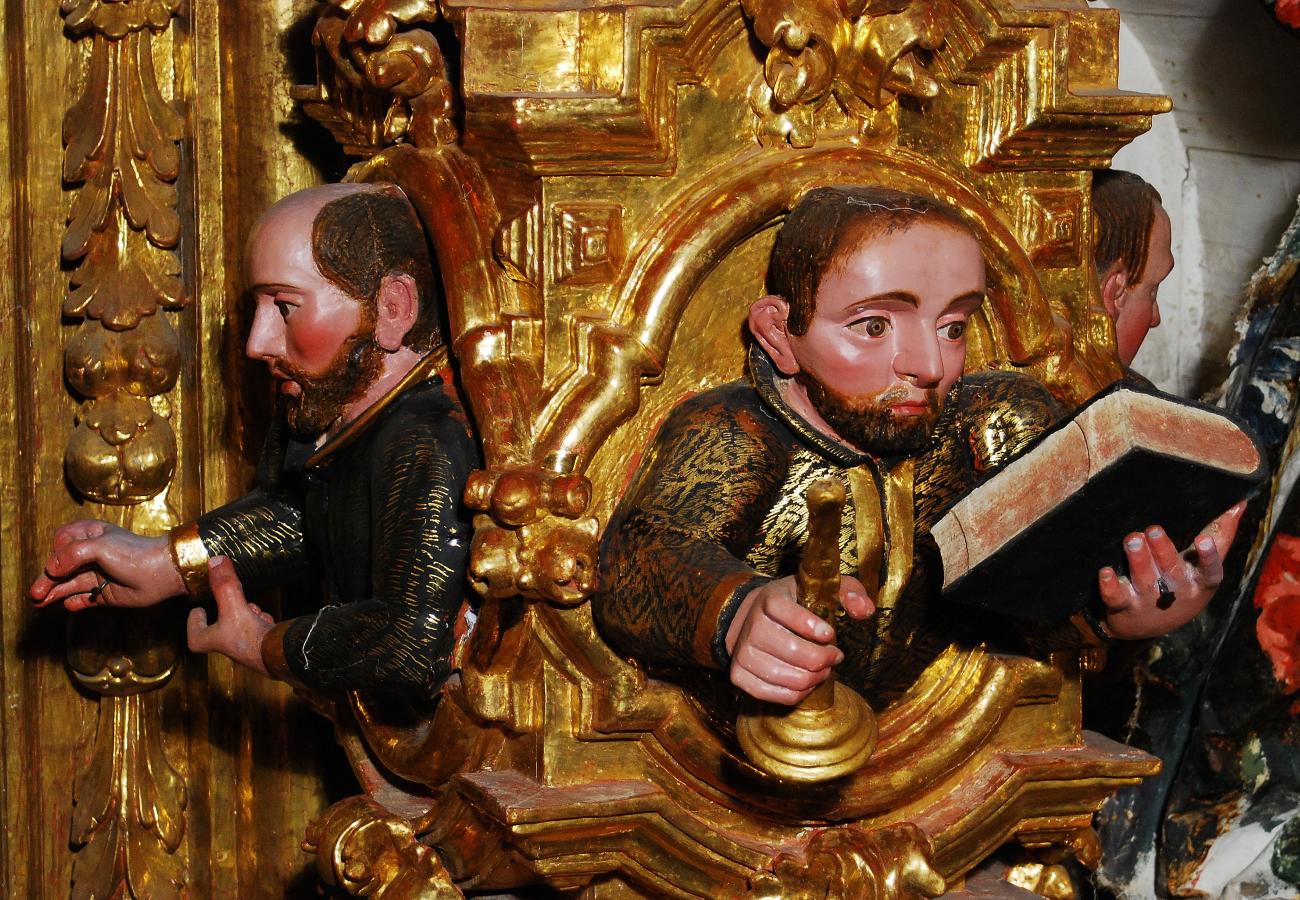




Historical Description
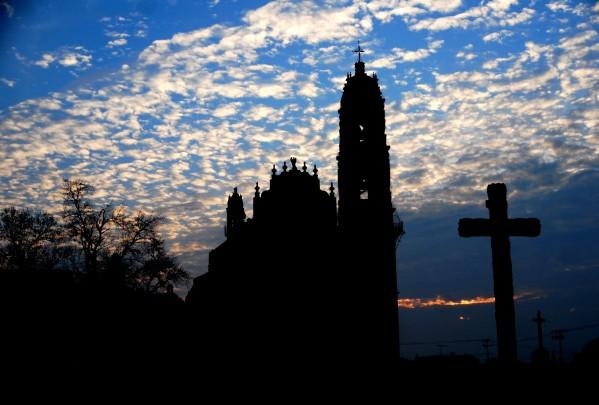
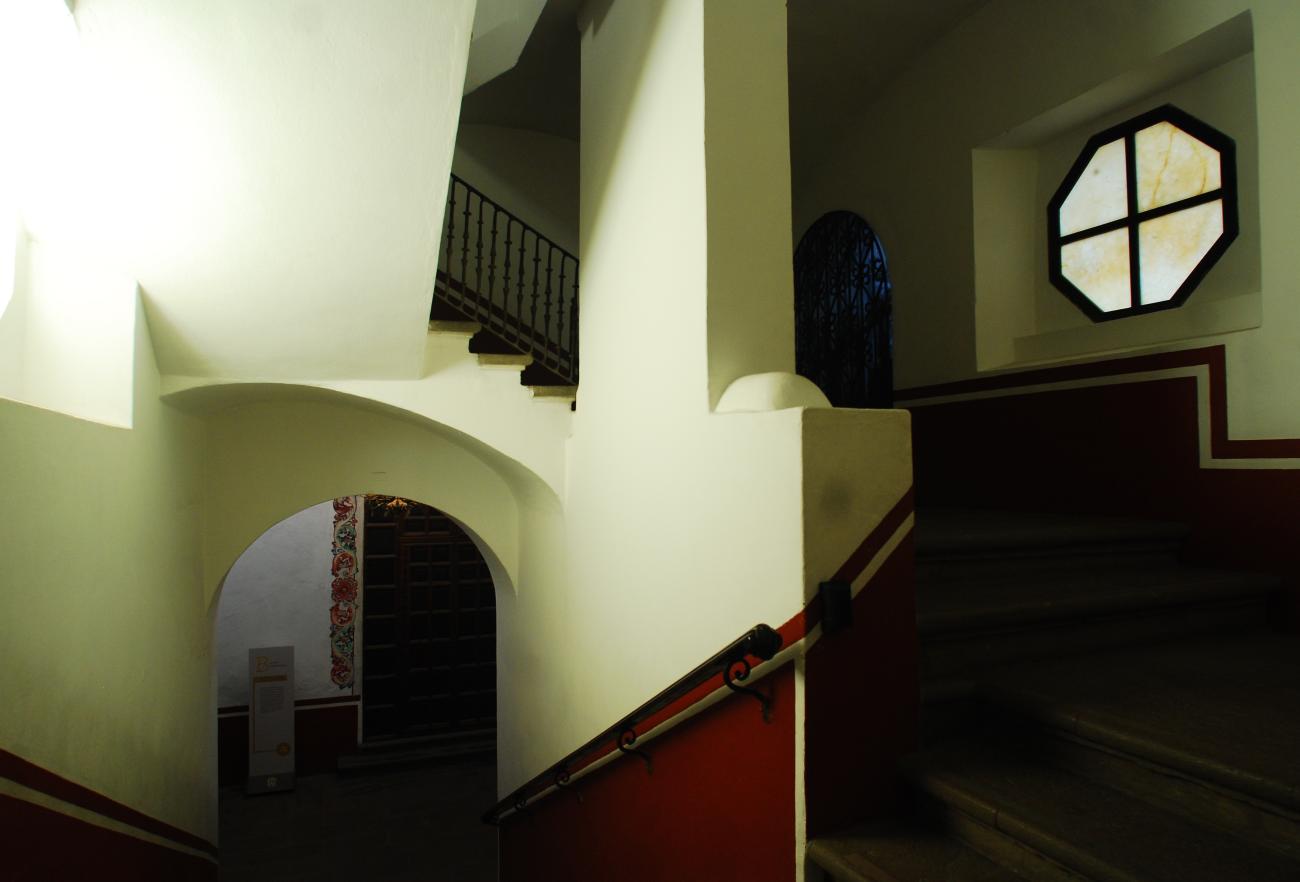
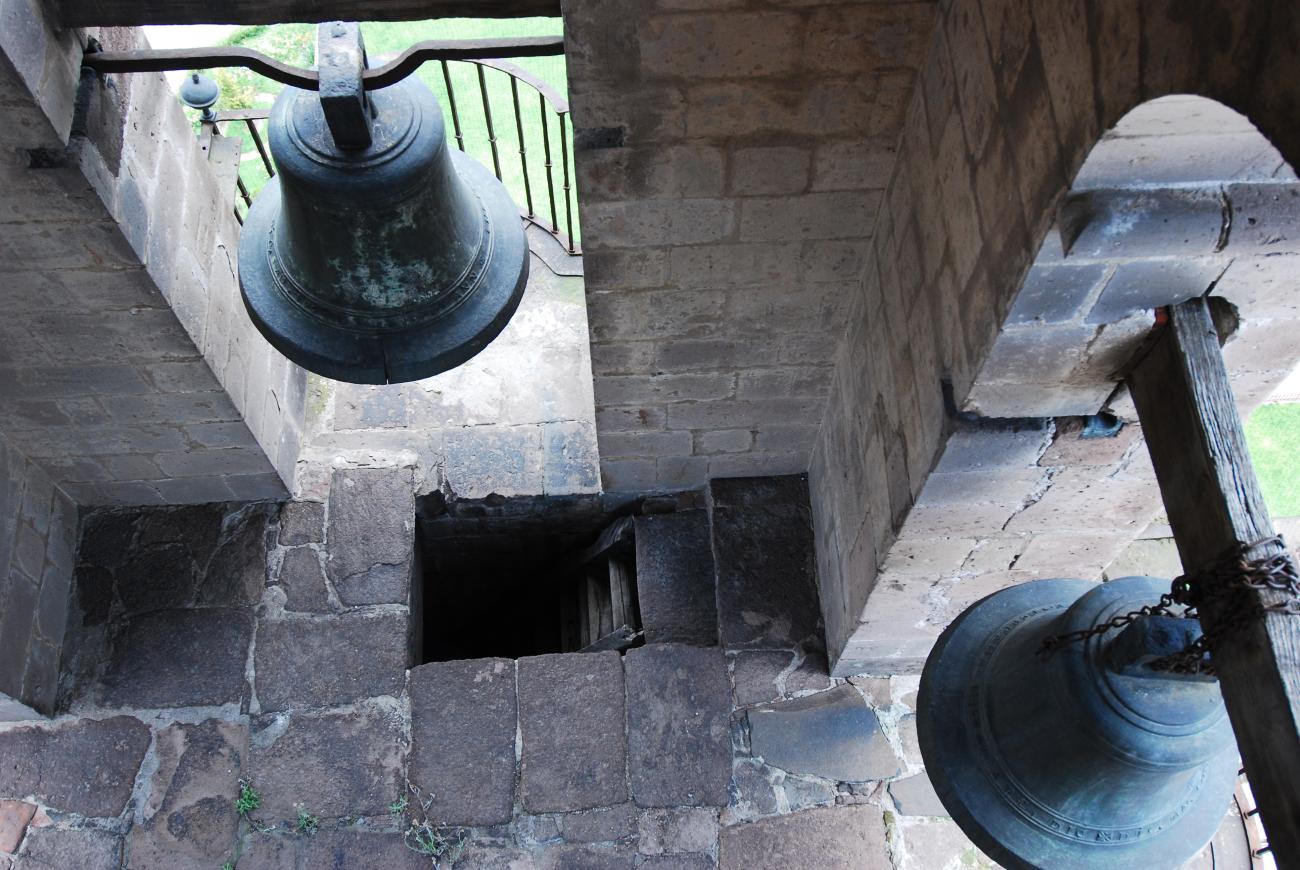
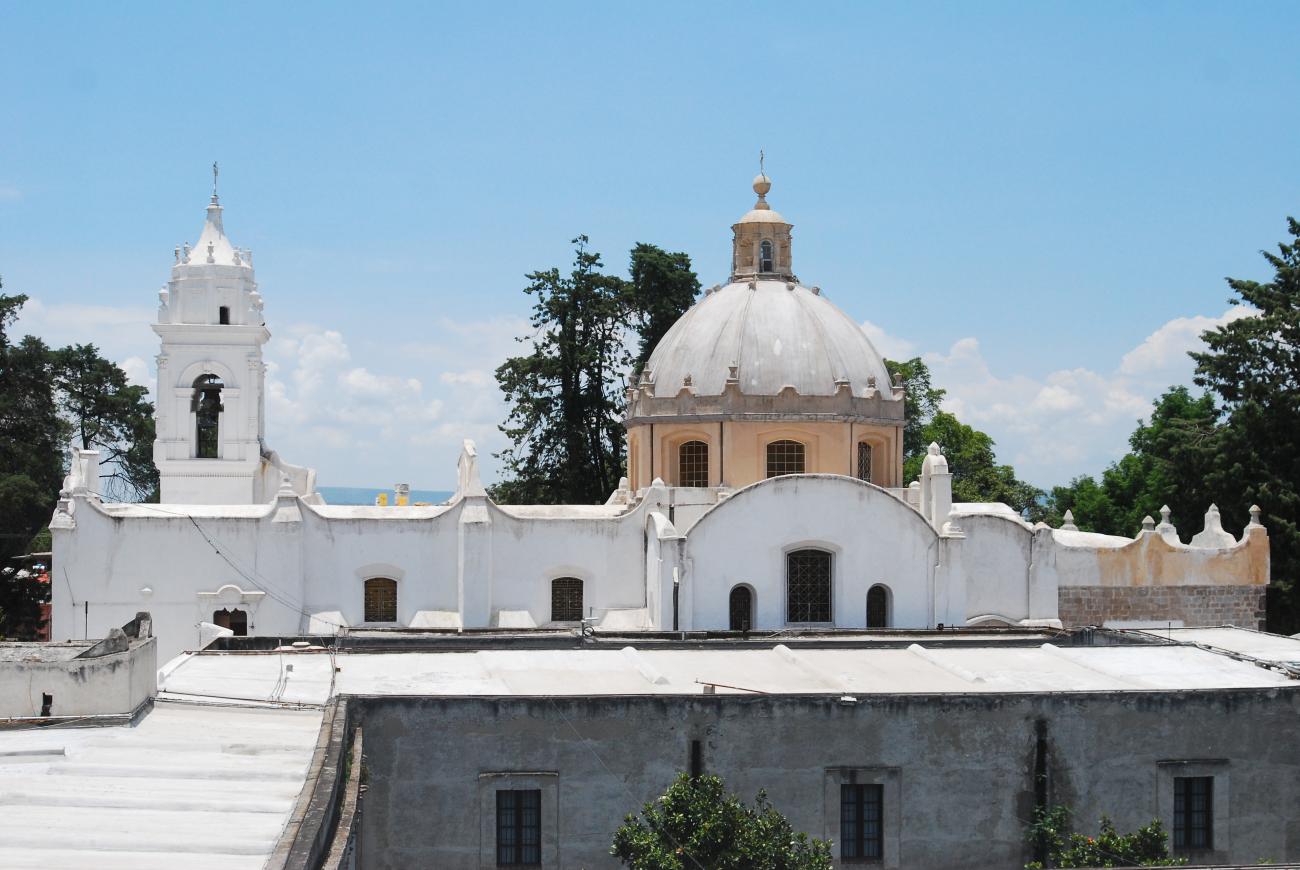
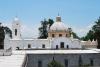
This church is one of the few surviving Baroque churches in Mexico that can still be appreciated much as it was originally conceived and built. The Church of Saint Francis Xavier served the Jesuit novitiate college of Tepotzotlán. Its architectural structure dates to the 17th century, while its interior was remodeled in the mid-18th century.

The Church of San Francisco Javier, Tepotzotlán
Document
Document
- DirecciónEva María Ayala Cansecoeva_ayala@inah.gob.mx+52 (55) 5876 2770SubdirecciónPatricia Zapata Villasanapatricia_zapata@inah.gob.mx+52 (55) 5876 2770 ext. 412821Atención al público y Servicio SocialPedro Rodríguez Ramírezbuzon_mnv@inah.gob.mx+52 (55) 5876 2770 ext. 412829Atención a MediosCristina Gutiérrez Colíncristina_guitierrez@inah.gob.mx+52 (55) 5876 2770